Aging in Place in Atlanta: Home Features Seniors Should Look For
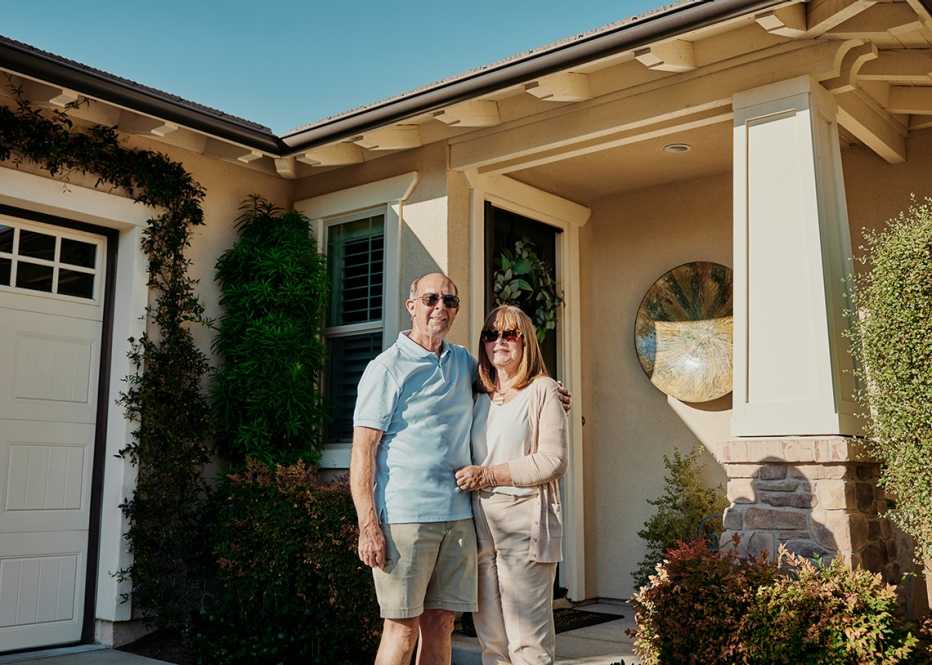
Atlanta is a city that beautifully blends comfort, convenience, and community—making it an ideal place for seniors who want to age in place. With its mild weather, growing healthcare options, vibrant neighborhoods, and strong support services, more older adults are choosing to stay in their homes longer rather than transition to assisted living.
But aging in place requires more than desire. It requires a home designed with ease, safety, and accessibility in mind. Whether you're searching for a new house or modifying your current one, knowing what features to look for can help you live independently, comfortably, and confidently for years to come.
Why Aging in Place Works Well in Atlanta
Atlanta offers many advantages for seniors who want to maintain an active lifestyle:
-
Mild winters and warm weather
-
Top-tier hospitals and specialists, including Emory and Piedmont
-
Walkable town centers in areas like Decatur, Chamblee, and Roswell
-
Public transit options like MARTA and senior transportation services
-
A growing emphasis on accessible community design
Because of these benefits, an increasing number of buyers age 55+ are seeking homes that will continue serving them well as their needs change.
Key Home Features Seniors Should Look For
Whether you're purchasing a new home or renovating, consider these essential features designed for long-term comfort and accessibility.
1. Single-Level Living
A home without stairs is one of the most important features for aging in place. One-level layouts reduce fall risks and make daily movement easier.
Look for:
-
Main-level owner’s suite
-
Laundry on the same floor
-
Open floor plans that allow easy navigation
2. Step-Free Entryways
Entry steps, raised thresholds, and tight doorways can become challenging. A zero-step entry makes it easier for individuals using canes, walkers, wheelchairs, or simply carrying groceries.
Best choices:
-
Level garage entrance
-
Front porches without steps
-
Wide, well-lit walkways
3. Wide Doorways & Hallways
Wider spaces make your home more accessible now and adaptable later.
Ideal measurements:
-
Doorways: at least 32 inches wide
-
Hallways: at least 36 inches wide
This also gives the home a more open, modern feel.
4. Safe, Accessible Bathrooms
Bathrooms are one of the most common places where falls occur. Thoughtful design can make a huge difference.
Features to consider:
-
Walk-in or roll-in showers
-
Grab bars (or walls reinforced for future installation)
-
Built-in shower seating
-
Non-slip flooring
-
Comfort-height toilets
5. User-Friendly Kitchens
Kitchens should be easy to navigate and comfortable for long-term use.
Helpful features include:
-
Pull-out drawers instead of deep lower cabinets
-
Upper cabinets with adjustable shelving
-
Multi-height countertops
-
Lever-style faucet handles
-
Easy-to-read appliance controls
6. Good Lighting Throughout the Home
Proper lighting increases safety and reduces strain on the eyes.
Look for:
-
Bright, evenly distributed lighting
-
Motion-sensor lights in halls and entryways
-
Under-cabinet lighting in the kitchen
-
Nightlights in bathrooms and bedrooms
7. Smart Home Technology
Smart home upgrades can make daily life easier and safer.
Popular options include:
-
Video doorbells
-
Voice-controlled lights and thermostats
-
Smart locks
-
Medical alert systems
-
Security cameras
-
Automated blinds
These features make independence not just possible, but convenient.
8. Low-Maintenance Exteriors
A home that’s easy to maintain lets seniors spend more time enjoying life, not tackling chores.
Ideal features:
-
Brick or vinyl siding
-
Small or HOA-maintained yards
-
Composite decking
-
Landscaping services or low-maintenance native plants
Communities with HOA maintenance are especially popular with seniors aging in place.
9. Close Proximity to Essentials
Location is just as important as layout. Aging in place is easier when you're close to resources, including:
-
Grocery stores
-
Pharmacies
-
Primary care and specialists
-
Public transit
-
Parks and walking trails
-
Community centers
Atlanta’s walkable districts—such as Midtown, Inman Park, and Vinings—offer excellent convenience for older adults.
10. Communities Designed for Aging Adults
Many Atlanta neighborhoods now include features specifically aimed at senior comfort and social connection.
These might include:
-
Clubhouses
-
Fitness centers
-
Senior classes and events
-
Sidewalks and safe pedestrian crossings
-
Gated or low-traffic streets
These amenities help seniors stay engaged, active, and connected.
Final Thoughts
Aging in place in Atlanta is an excellent option for seniors who want independence without sacrificing comfort or safety. By choosing a home with thoughtful accessibility features—or upgrading your current home—you can enjoy long-term peace of mind, convenience, and quality of life.
As Atlanta continues growing and prioritizing livable communities, there’s never been a better time to find a home that supports you at every stage of life.
--
Tina Jingru Sui 隋静儒
Associate Broker | Team Leader of TJS Team, Keller Williams
 Serving Metro Atlanta — Johns Creek, Alpharetta, Duluth, Suwanee, Buford, and beyond
 404-375-2120


 WeChat: tinasuirealty
 Follow me on Instagram / 小红书 / WeChat / Facebook