Buying a Home on a Steep Hill: Safety, Drainage, Insurance & Resale Considerations
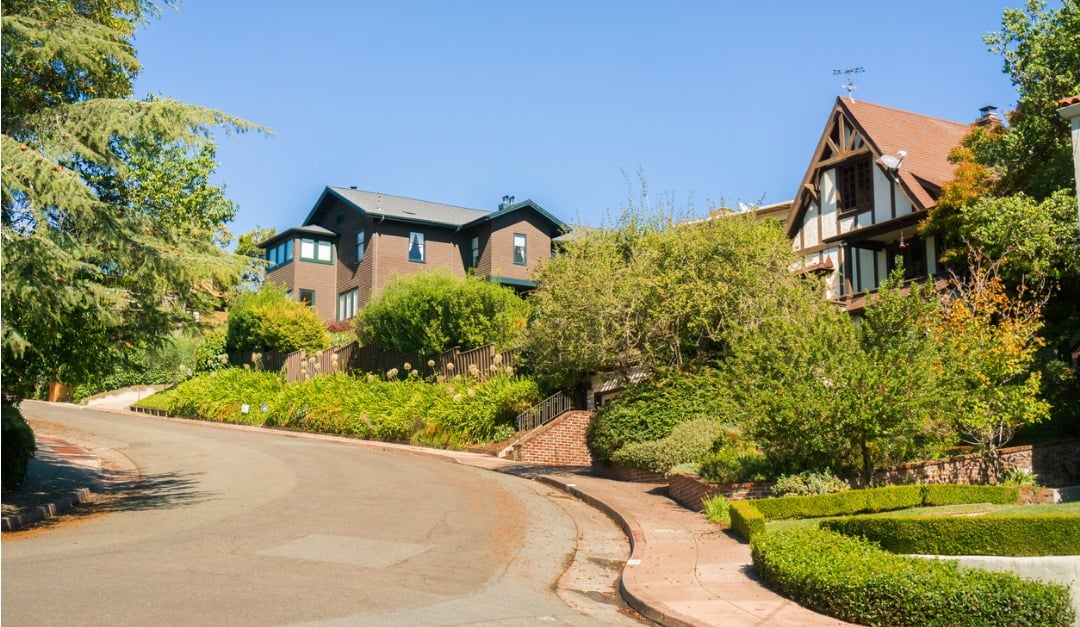
Homes on hills often catch buyers’ attention.
They can offer privacy, views, unique architecture, and a sense of distinction you don’t always get on flat lots.
But buying a home on a steep hill isn’t just a design or aesthetic decision—it’s a long-term ownership decision that affects safety, maintenance, insurance, and resale.
Some hillside homes are excellent purchases.
Others quietly become expensive, stressful, and difficult to sell.
Here’s what buyers should realistically evaluate before committing.
Why Homes on Steep Hills Exist (and Why Buyers Like Them)
In many Atlanta neighborhoods—especially established or hilly areas—flat lots are limited. Builders and developers maximize land by building vertically or into slopes.
Buyers are often drawn to hillside homes because they offer:
-
Better views and natural light
-
More privacy from the street
-
Architectural character
-
Less cookie-cutter feel
All of that can be appealing—but it comes with trade-offs that aren’t always obvious during a quick showing.
Safety Considerations Most Buyers Overlook
Driveway Slope and Access
One of the first daily realities is the driveway.
Steep driveways can:
-
Be challenging in heavy rain or icy conditions
-
Increase slip-and-fall risk
-
Be difficult for guests, kids, or older family members
-
Accelerate wear on vehicles and tires
Ask yourself:
Will this be comfortable every day, not just on sunny weekends?
Stairs and Entry Points
Many hillside homes require stairs to enter—sometimes a lot of them.
This impacts:
-
Aging in place
-
Multigenerational living
-
Grocery loading
-
Emergency access
What feels charming at first can become inconvenient over time.
Drainage: The Biggest Hidden Risk
Drainage is the single most important issue for hillside properties.
Water naturally moves downhill. If drainage isn’t properly designed, you may face:
-
Basement moisture or water intrusion
-
Soil erosion
-
Foundation stress
-
Retaining wall pressure
-
Long-term structural issues
Key things to evaluate:
-
Grading around the home
-
Drainage systems (French drains, swales, downspouts)
-
Retaining walls and their condition
-
Signs of past water issues
A home can look perfect inside while quietly managing serious water challenges outside.
Retaining Walls: Expensive but Critical
Retaining walls are often essential for steep lots—but they’re also costly.
Buyers should understand:
-
Age and material of the wall
-
Whether it’s engineered or purely decorative
-
Signs of movement, cracking, or bowing
-
Responsibility for maintenance (especially near property lines)
Replacing or repairing retaining walls can cost tens of thousands of dollars, and not all issues are immediately visible.
Insurance Considerations
Insurance for hillside homes can differ from standard properties.
Depending on the location and slope, you may see:
-
Higher premiums
-
Special exclusions
-
Additional requirements for drainage or structural features
-
Increased scrutiny if there’s a history of water or soil movement
Always confirm insurance availability and cost early—before falling in love with the home.
Maintenance Costs Over Time
Hillside homes often come with higher ongoing maintenance, including:
-
Drainage upkeep
-
Landscaping and erosion control
-
Tree and root management
-
Exterior access challenges for repairs
These aren’t deal-breakers—but they should be budgeted honestly, not assumed away.
Resale: Who Is Your Future Buyer?
Resale is where hillside homes can become tricky.
While some buyers actively seek them out, many buyers:
-
Prefer easier access
-
Worry about drainage and maintenance
-
Are cautious about steep driveways
-
Have aging or family considerations
This means:
-
Smaller buyer pool
-
Potentially longer days on market
-
Greater sensitivity to condition and price
Well-maintained hillside homes in strong locations can resell well—but compromised ones struggle more than flat-lot homes.
When Buying on a Steep Hill Does Make Sense
A hillside home can be a solid purchase when:
-
Drainage is professionally designed and well maintained
-
The structure and retaining systems are sound
-
Access feels manageable for daily life
-
The price reflects the lot’s realities
-
You plan to stay long enough to offset market sensitivity
In these cases, the character and privacy can outweigh the drawbacks.
When Buyers Should Be Cautious
Extra caution is needed if:
-
Drainage solutions look improvised
-
There are visible retaining wall issues
-
Access already feels inconvenient
-
The home is priced close to flat-lot comparables
-
You expect easy resale in a short time frame
A great house on a challenging lot still has limits.
Final Thought
Buying a home on a steep hill isn’t about yes or no—it’s about eyes open.
These homes can offer beauty, privacy, and uniqueness. But they demand:
-
Better inspections
-
Honest cost analysis
-
Long-term thinking
The smartest buyers don’t avoid hillside homes—they simply evaluate them differently.
If you understand the trade-offs clearly, you can make a confident, informed decision that supports both your lifestyle and your investment.
--
Tina Jingru Sui 隋静儒
Associate Broker | Team Leader of TJS Team, Keller Williams
 Serving Metro Atlanta — Johns Creek, Alpharetta, Duluth, Suwanee, Buford, and beyond
 404-375-2120


 WeChat: tinasuirealty
 Follow me on Instagram / 小红书 / WeChat / Facebook