Home Inspection Secrets: What Good Inspectors Look For That Buyers Don’t Notice
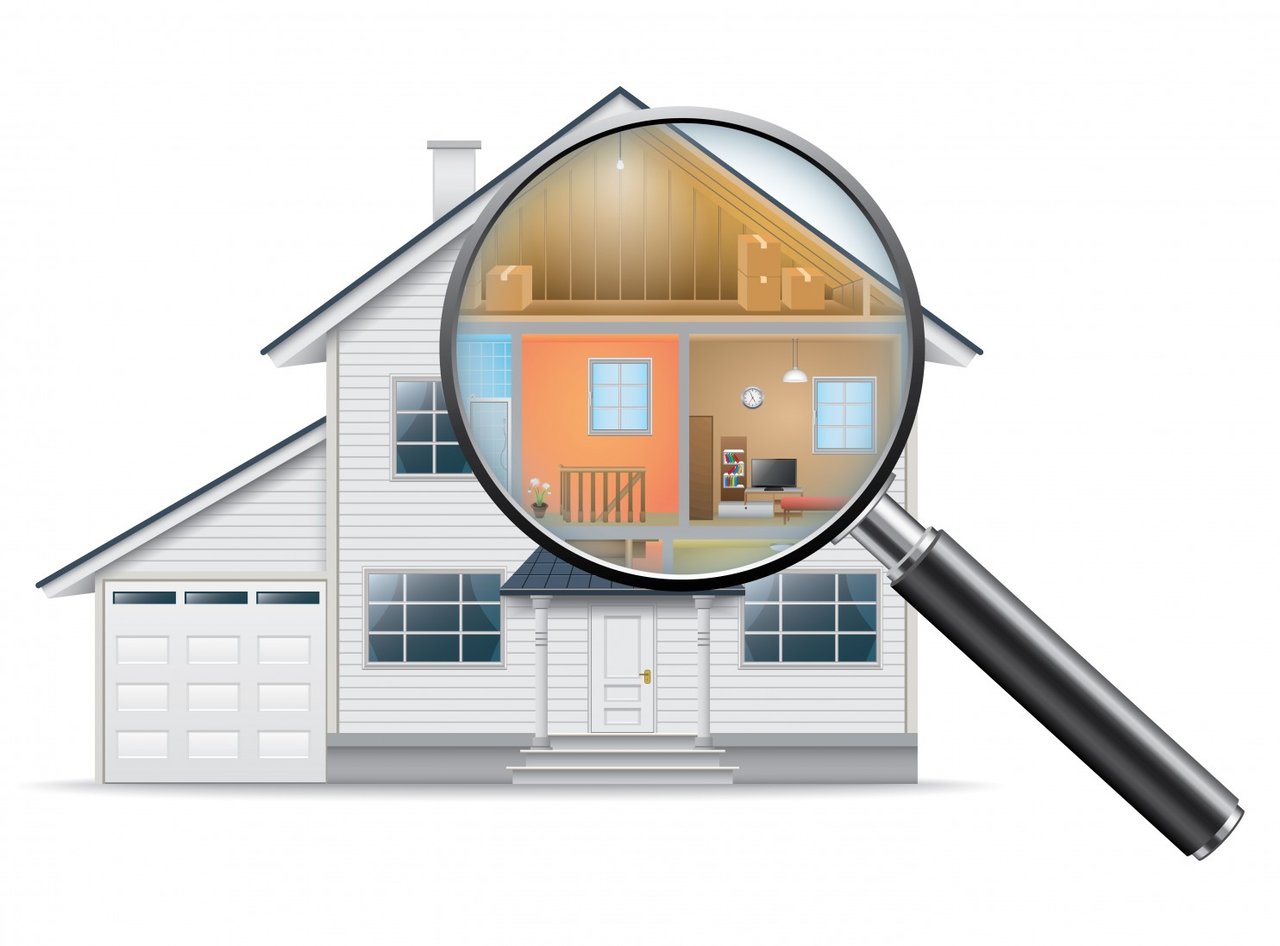
Walkthroughs are exciting—buyers focus on layout, natural light, kitchen finishes, and imagining where the sofa will go. But while you're daydreaming, a seasoned home inspector is scanning the property like a detective, searching for signs of trouble that most buyers never see.
A great home inspection doesn’t just reveal what’s wrong with a property. It uncovers issues early, protects your investment, and gives you negotiating power. Here are the hidden details top inspectors catch (and why they matter).
1. Subtle Foundation Shifts
Buyers often notice slanted floors only if they're extreme, but inspectors look for:
-
Hairline cracks in walls or brick
-
Doors that don’t close cleanly
-
Gaps between walls and floors
-
Cracks in the foundation itself
Even minor signs can indicate soil settling, drainage issues, or structural problems that grow expensive fast.
2. Quiet Clues of Water Damage
You might look for obvious stains—but inspectors know water can leave hidden fingerprints:
-
Bubbling paint
-
Musty smells in closets
-
Soft baseboards
-
Warped flooring
-
Ridges under roofing shingles
Water is a home’s biggest enemy, and catching early signs can save tens of thousands in repairs.
3. Roof Age vs. Roof Condition
Most buyers ask, “How old is the roof?” A good inspector asks:
-
How well was it maintained?
-
Are there signs of improper installation?
-
Is ventilation adequate?
-
Are shingles curling, brittle, or mismatched?
A roof may be “newer,” but poor installation can shorten its life dramatically.
4. Electrical System Red Flags
Buyers flip light switches; inspectors dig deeper.
They look for:
-
Overheating at outlets
-
Double-tapped breakers
-
Aluminum wiring in older homes
-
Missing GFCI protection
-
Outdated panels nearing capacity
Electrical issues are dangerous, expensive, and often invisible to the untrained eye.
5. Hidden HVAC Problems
An inspector won’t just turn on the heat—they’ll:
-
Check temperature differentials
-
Look at ductwork insulation
-
Evaluate age and maintenance history
-
Inspect refrigerant lines
-
Listen for early-stage compressor or blower issues
A dying HVAC system can cost $5,000–$15,000, so early detection is crucial.
6. Attic & Crawlspace Clues Most Buyers Skip
Most buyers never step into the attic or crawlspace. Inspectors know these areas reveal the truth about a home.
They look for:
-
Rodents or pests
-
Mold growth
-
Insufficient insulation
-
Structural damage
-
Ventilation issues
-
Signs of leaks coming from the roof or bathrooms
The “unseen spaces” often hide the biggest problems.
7. Drainage and Grading Issues
Poor drainage can destroy a home slowly. Inspectors look for:
-
Standing water near the foundation
-
Downspouts pointed toward the house
-
Negative grading
-
Soil erosion
-
Water channels under the home
Buyers rarely think about this—but inspectors know drainage issues lead to foundation damage, mold, and basement flooding.
8. Plumbing Problems Behind the Scenes
You might check the water pressure; inspectors go deeper:
-
Galvanized pipes (nearing failure)
-
Slow drains indicating blockages
-
Water heater age and safety issues
-
Improperly installed fixtures
-
Leaks hidden under sinks or behind walls
Small plumbing problems can snowball into major replacements.
9. Exterior Red Flags Buyers Overlook
Curb appeal isn’t just about looks. Inspectors examine:
-
Cracking or shifting porches
-
Rotting siding
-
Improperly sealed windows
-
Decks pulling from the house
-
Stucco moisture intrusion
These issues often aren’t obvious—until they’re expensive.
10. Safety Systems Buyers Forget to Check
Good inspectors verify:
-
Smoke & CO detectors
-
Handrails
-
Egress windows in bedrooms
-
Proper fire separation in garages
-
Tripping hazards in walkways
These details protect lives, not just your wallet.
Why These Secrets Matter
A great inspector doesn’t just list issues—they help you:
-
Understand the true condition of the home
-
Negotiate repairs or credits
-
Avoid unexpected expenses
-
Plan future maintenance
-
Make a confident purchase
What buyers don’t notice could cost thousands. What inspectors catch could save it.
Final Thoughts
A home may look perfect on the surface, but the real story is told in the systems, structure, and small details. The best inspectors are trained to notice what the average buyer’s eyes skip over.
If you’re serious about protecting your investment, choose an experienced inspector—and don’t skip the inspection, even on new construction.
Tina Jingru Sui 隋静儒
Associate Broker | Team Leader of TJS Team, Keller Williams
 Serving Metro Atlanta — Johns Creek, Alpharetta, Duluth, Suwanee, Buford, and beyond
 404-375-2120


 WeChat: tinasuirealty
 Follow me on Instagram / 小红书 / WeChat / Facebook