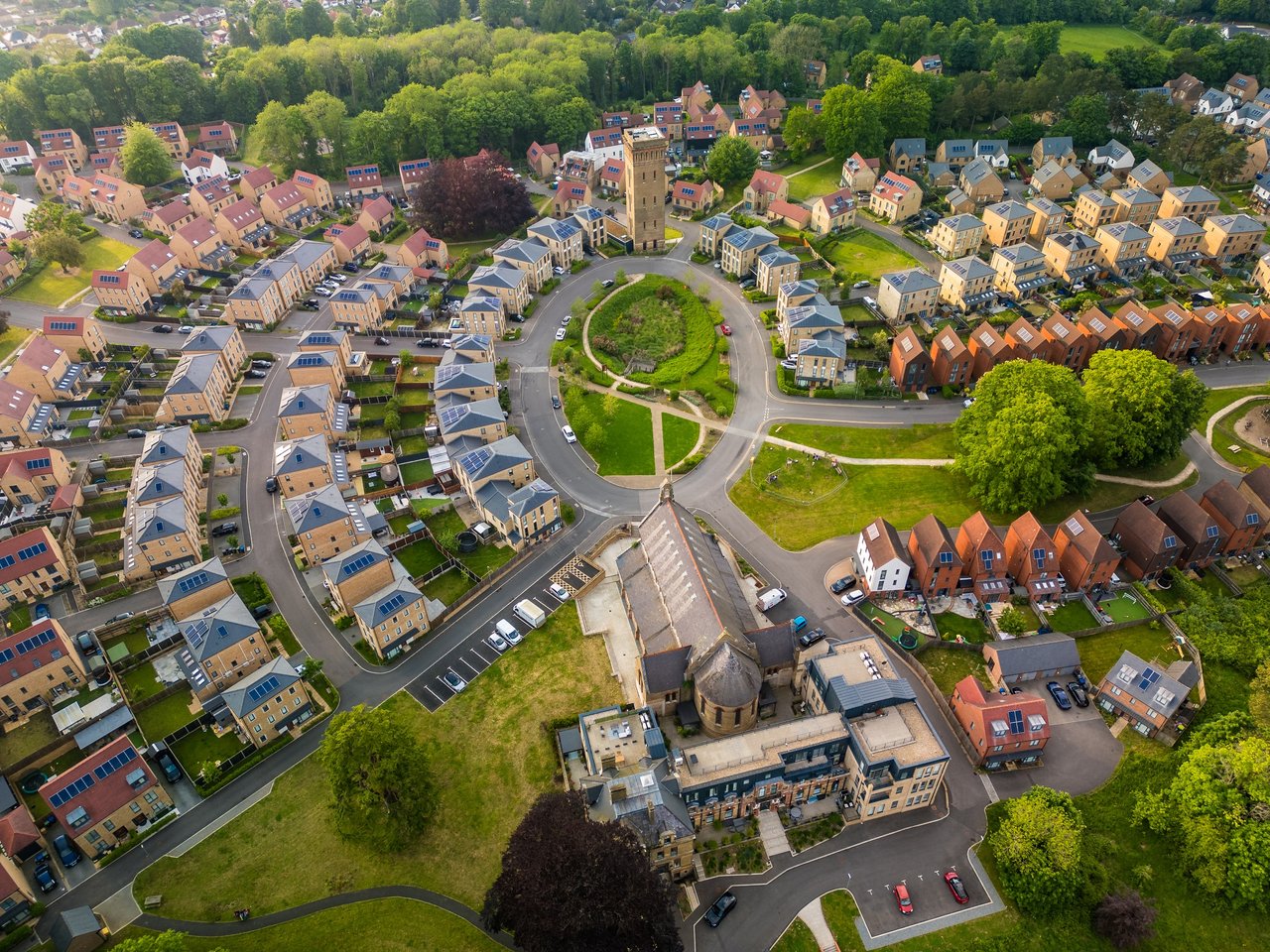
How Micro-Location Shapes a Home’s True Worth
Two homes can sit in the same city, the same ZIP code—even the same neighborhood—and still have very different values. The difference often comes down to micro-location: the specific street, block, and immediate surroundings of a home.
Micro-location is one of the most underestimated drivers of long-term value, yet it plays a major role in price, demand, and resale potential.
What Is Micro-Location?
Micro-location refers to the factors that affect a home at a hyper-local level, including:
-
Street traffic and noise levels
-
Proximity to main roads, highways, or commercial areas
-
Lot position (corner lot, cul-de-sac, backing to woods or roads)
-
Nearby schools, parks, or community amenities
-
Neighboring home conditions and density
These details don’t always show up clearly online—but buyers feel them immediately in person.
Why Micro-Location Affects Buyer Behavior
Buyers don’t just buy a house; they buy their daily experience. A home on a quiet interior street often feels more desirable than a similar home near traffic, even if the square footage and finishes are identical.
Micro-location influences:
-
Noise and privacy
-
Safety perception
-
Ease of parking and access
-
Overall comfort and livability
These factors directly impact how long buyers stay in a home—and how much they’re willing to pay.
Pricing Differences Within the Same Neighborhood
Micro-location explains why one home sells faster or for more money than another just blocks away. Homes with favorable positioning often command premiums, while those near less desirable features may require pricing adjustments to stay competitive.
Ignoring micro-location often leads to overpricing—and extended time on market.
How Micro-Location Impacts Resale Value
Market conditions change, but micro-location stays the same. During slower markets, buyers become more selective, and homes with weaker micro-locations feel the impact first.
Homes with strong micro-location:
-
Hold value better in market shifts
-
Attract a wider buyer pool
-
Experience less negotiation pressure
What Buyers Should Look For
Savvy buyers evaluate beyond the listing description:
-
Visit at different times of day
-
Listen for traffic or neighborhood noise
-
Observe parking, foot traffic, and nearby activity
-
Check surroundings, not just interiors
These steps reveal long-term livability that photos can’t show.
Final Thoughts
Micro-location isn’t a small detail—it’s a lasting one. While finishes can change and layouts can be improved, a home’s immediate surroundings cannot. Understanding micro-location helps buyers make smarter investments and helps sellers price more accurately.
--
Tina Jingru Sui 隋静儒
Associate Broker | Team Leader of TJS Team, Keller Williams
 Serving Metro Atlanta — Johns Creek, Alpharetta, Duluth, Suwanee, Buford, and beyond
 404-375-2120


 WeChat: tinasuirealty
 Follow me on Instagram / 小红书 / WeChat / Facebook