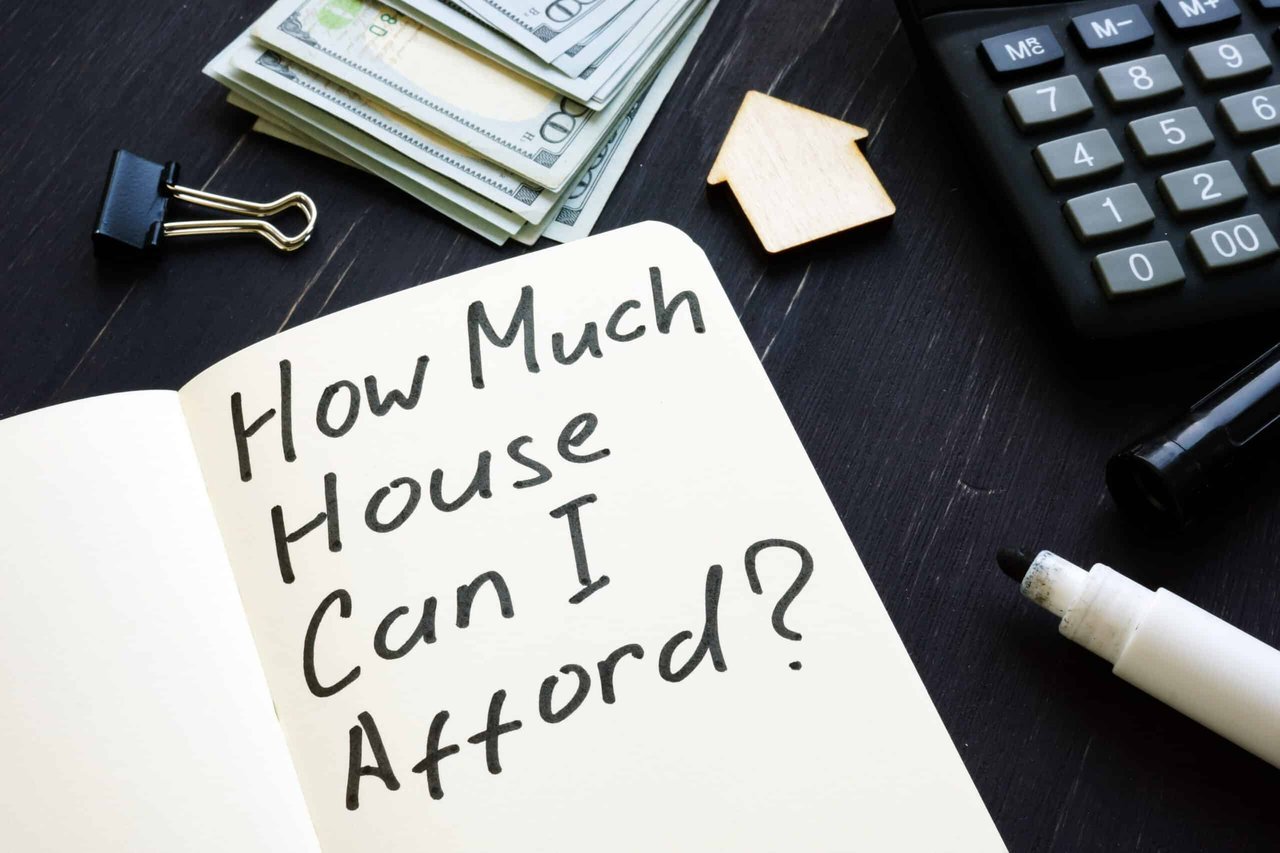
How Much House Can You Really Afford? A Practical Guide for Atlanta Professionals
Buying a home in Atlanta has never been more exciting—or more overwhelming. With rapidly growing neighborhoods, rising demand, and a fluctuating interest-rate environment, many professionals are asking the same question:
“How much house can I actually afford in Atlanta?”
Whether you’re a young tech analyst in Midtown, a healthcare professional commuting to Emory, or an entrepreneur setting roots in East Atlanta Village, this guide breaks down the real math behind home affordability so you can shop with confidence instead of confusion.
1. Start With the 28/36 Rule (Your Baseline Guide)
Lenders traditionally rely on the 28/36 rule to determine safe borrowing levels:
-
28% of your gross monthly income should cover your housing payment (mortgage, taxes, insurance).
-
36% of your gross monthly income should cover all debts (housing + car loans + student loans + credit cards).
Example:
If you earn $120,000/year (~$10,000/month):
-
Max housing budget: ~$2,800/month
-
Max total debt: ~$3,600/month
This gives you a starting point—but not the full picture, especially in Atlanta’s unique housing market.
2. Understand the True Monthly Cost of an Atlanta Home
Your mortgage payment is just one piece. In most Metro Atlanta counties, you also need to account for:
✔ Property Taxes
Georgia’s property taxes vary widely. Fulton and DeKalb tend to be higher, while Gwinnett and Cobb can be more moderate. Homestead exemptions can help—but they only apply if it’s your primary residence.
✔ Homeowner’s Insurance
Expect $100–$200 per month for most average-priced homes. Some areas (especially those with older homes) may be higher.
✔ HOA Fees
If you're eyeing a townhouse or condo in places like Buckhead, Midtown, Brookhaven, or Sandy Springs, HOA dues can range from $200 to over $700 per month.
✔ Utilities & Atlanta-Specific Costs
Older homes often come with higher electric bills—especially during Atlanta’s hot, humid summers.
3. Consider Atlanta’s Neighborhood Price Differences
Atlanta isn’t one housing market—it’s several. Here’s how affordability can shift by area:
High-demand / higher-priced areas
-
Midtown, Virginia-Highland, Old Fourth Ward, Inman Park
Stunning walkability and lively culture—but also higher price tags.
Balanced affordability + amenities
-
Decatur, Brookhaven, East Atlanta Village, West Midtown
Popular among young professionals. Prices fluctuate but can be manageable if you shop smart.
More affordable options
-
South Fulton, Austell, Mableton, Riverdale, Stone Mountain
Larger homes for less, often ideal for first-time buyers or growing families.
What you can afford depends heavily on where you plan to buy.
4. Calculate What You Can Afford Based on Your Income
Below are simple guidelines based on typical professional incomes in Atlanta today.
If you earn $70K–$90K
You can generally afford:
$1,600–$2,000 monthly payment → $250K–$325K home
If you earn $90K–$120K
You can generally afford:
$2,000–$2,800 monthly payment → $325K–$450K home
If you earn $120K–$180K
You can generally afford:
$2,800–$4,000 monthly payment → $450K–$700K home
If you earn $200K+
You can generally afford:
$4,000+ monthly payment → $700K–$1.1M+ home
These ranges assume moderate debts and a 5–10% down payment.
5. Factor in Your Career Stability & Time Horizon
Even high earners should think long-term:
-
Are you planning to stay in Atlanta 3+ years?
-
Is your income variable (bonuses, commission, contract)?
-
Are you considering future expenses—children, travel, business goals?
A house should support—not strain—your lifestyle.
6. Think About Lifestyle Fit, Not Just Price Tag
Buying a home isn’t just a financial decision—it’s personal.
Ask yourself:
-
Do I prefer walkability or more space?
-
Would a longer commute impact my quality of life?
-
Am I comfortable buying a fixer-upper, or do I want move-in ready?
-
Will a higher mortgage limit my ability to travel, save, or invest?
Your lifestyle and values matter as much as your income.
7. Don’t Forget Down Payment and Closing Costs
Down Payment Options:
-
3%–5% for conventional
-
3.5% for FHA
-
10%–20% to avoid PMI (private mortgage insurance)
Closing Costs in Atlanta
Plan for 2%–4% of the purchase price.
This often surprises first-time buyers.
8. Get Preapproved Early
Before you fall in love with a home in Grant Park or West End, you need to know your exact numbers.
A lender’s preapproval:
-
Clarifies your true maximum purchase price
-
Strengthens your offer in competitive neighborhoods
-
Helps you lock in a rate when the time is right
9. Work With a Local Real Estate Expert
Atlanta's market moves quickly, and pricing can shift dramatically from one neighborhood to the next. A local agent can help you:
-
Compare neighborhoods
-
Understand expected resale values
-
Avoid overpriced listings
-
Identify up-and-coming areas
Final Thoughts: So How Much House Can You Afford?
The answer depends on more than your salary—it’s a combination of income, existing debts, lifestyle preferences, and the Atlanta neighborhood you want to call home. With a clear understanding of the numbers and a smart strategy, you can find a home that’s not only affordable but also aligned with your long-term goals.
Tina Jingru Sui 隋静儒
Associate Broker | Team Leader of TJS Team, Keller Williams
 Serving Metro Atlanta — Johns Creek, Alpharetta, Duluth, Suwanee, Buford, and beyond
 404-375-2120


 WeChat: tinasuirealty
 Follow me on Instagram / 小红书 / WeChat / Facebook