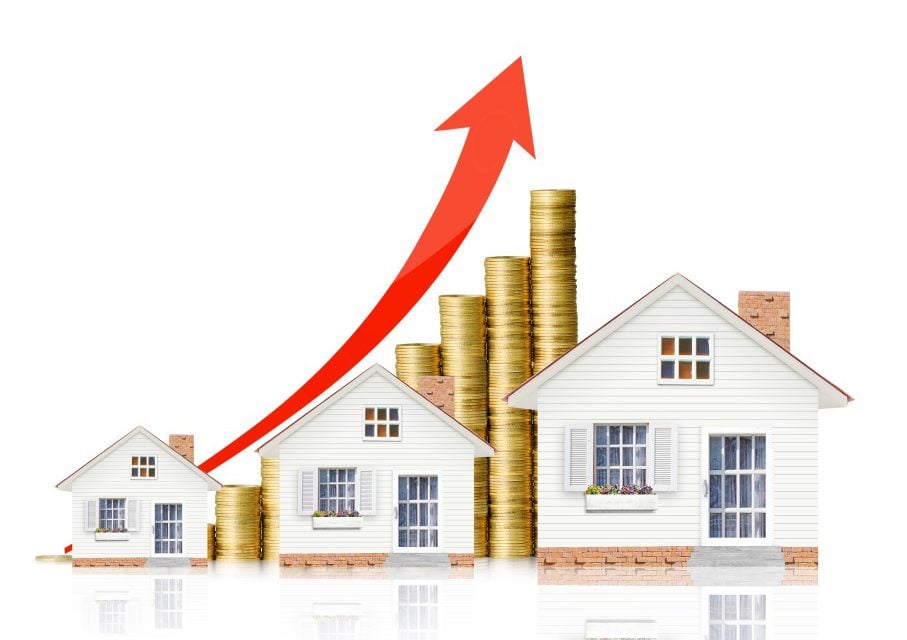
How Population Growth Influences Home Prices
Population growth is one of the biggest drivers of the real estate market. As more people move into an area, the demand for housing often increases, influencing home prices, rental rates, and new residential development. While population growth alone doesn't determine property values, it plays a significant role when combined with factors like job creation, housing supply, and local economic conditions.
If you're buying, selling, or investing in Metro Atlanta real estate, understanding how population growth impacts home prices can help you make more informed decisions.
1. More People Create More Housing Demand
As a city's population grows, more people need places to live.
This increased demand often leads to:
- More homebuyers entering the market
- Higher demand for rental properties
- Increased competition for available homes
- Greater interest in new housing developments
When demand rises faster than available housing, home prices may increase.
2. Limited Housing Supply Can Push Prices Higher
Population growth doesn't automatically raise home prices. One of the key factors is whether enough homes are available to meet demand.
When housing inventory remains limited while the population grows, buyers may compete for fewer homes, which can lead to:
- Multiple-offer situations
- Shorter time on market
- Higher sale prices
- Increased property values
Balanced inventory helps stabilize pricing over time.
3. Job Growth Often Supports Population Growth
Many people relocate because of employment opportunities.
Metro Atlanta continues to attract residents due to its diverse economy, including industries such as:
- Technology
- Healthcare
- Logistics
- Finance
- Manufacturing
- Film and entertainment
As businesses expand and create jobs, housing demand often grows alongside the workforce.
4. Rental Demand May Increase
Growing populations don't only affect home sales—they also influence the rental market.
More residents can create higher demand for:
- Apartments
- Single-family rental homes
- Townhomes
- Condominiums
This may contribute to stronger rental occupancy and increased rental income opportunities for property owners.
5. New Construction Helps Meet Demand
As more people move into an area, builders often respond by developing new neighborhoods.
New construction may include:
- Single-family homes
- Townhome communities
- Condominium developments
- Mixed-use neighborhoods
While additional housing helps increase supply, demand may still remain strong in rapidly growing markets.
6. Infrastructure Improvements Follow Growth
Population growth often leads to investments in public infrastructure.
Communities may see:
- New schools
- Road expansions
- Public parks
- Shopping centers
- Healthcare facilities
- Public transportation improvements
These developments can make neighborhoods more attractive to future buyers.
7. Neighborhood Popularity Can Increase
As more people discover a desirable community, demand may grow.
Factors that attract new residents include:
- Quality schools
- Convenient commuting
- Recreational amenities
- Dining and shopping options
- Community events
- Safe, well-maintained neighborhoods
Popular neighborhoods often experience steady buyer interest.
8. Home Values May Appreciate Over Time
While real estate markets naturally fluctuate, sustained population growth can support long-term property appreciation.
Home values are also influenced by:
- Local economic conditions
- Interest rates
- Housing inventory
- Buyer confidence
- Community development
Population growth is one important piece of the overall market picture.
9. Buyers May Face More Competition
In growing markets, buyers may encounter:
- Faster-moving listings
- Multiple offers
- Limited inventory
- Increased competition for desirable homes
Being financially prepared and working with a knowledgeable real estate professional can improve your chances of success.
10. Sellers May Benefit From Increased Demand
When buyer demand is strong, sellers may experience:
- More showing activity
- Greater interest from qualified buyers
- Competitive offers
- Shorter marketing periods
However, proper pricing and home presentation remain essential regardless of market conditions.
11. Population Growth Can Affect Different Areas Differently
Not every neighborhood experiences growth at the same pace.
Within Metro Atlanta, communities such as:
- Alpharetta
- Johns Creek
- Suwanee
- Buford
- Duluth
- Lawrenceville
- Roswell
- Marietta
- Sandy Springs
- Peachtree Corners
may experience different levels of demand based on local employment, schools, amenities, and available housing.
Understanding neighborhood-specific trends is just as important as understanding regional growth.
12. Investors Watch Population Trends Closely
Real estate investors often study population trends before purchasing property.
Growing communities may offer:
- Strong rental demand
- Long-term appreciation potential
- Stable occupancy rates
- Expanding local economies
While no investment is guaranteed, population growth is one indicator investors frequently consider.
13. Growth Can Bring New Amenities
As communities expand, new businesses often follow.
Residents may benefit from:
- Restaurants
- Retail centers
- Entertainment venues
- Medical offices
- Fitness centers
- Grocery stores
These conveniences can further increase a neighborhood's appeal.
14. Population Growth Is Only One Market Factor
Although population growth is important, home prices are influenced by many variables working together.
These include:
- Mortgage interest rates
- Housing inventory
- Economic conditions
- Wage growth
- Consumer confidence
- Local government policies
A complete market analysis considers all of these factors rather than relying on population growth alone.
15. Work With an Experienced Metro Atlanta Real Estate Professional
Understanding local market trends requires more than national headlines.
An experienced Metro Atlanta real estate professional can help you:
- Analyze neighborhood growth
- Compare recent home sales
- Identify emerging communities
- Understand local housing demand
- Develop an effective buying or selling strategy
- Make informed real estate decisions based on current market conditions
Their local expertise can help you navigate a changing market with confidence.
Final Thoughts
Population growth is one of the key factors that shapes the housing market by increasing demand for homes, supporting new development, and influencing long-term property values. In Metro Atlanta, continued population growth, job opportunities, and community development have contributed to a dynamic real estate market that attracts both homebuyers and investors.
Whether you're purchasing your first home, selling your current property, or exploring investment opportunities, understanding how population trends affect home prices can help you make better-informed decisions. By working with an experienced Metro Atlanta real estate professional and staying informed about local market conditions, you'll be better prepared to take advantage of opportunities in one of the region's most active housing markets.
--
Tina Jingru Sui 隋静儒
Associate Broker | Team Leader of TJS Team, Keller Williams
Serving Metro Atlanta — Johns Creek, Alpharetta, Duluth, Suwanee, Buford, and beyond
404-375-2120
WeChat: tinasuirealty
Follow me on Instagram / 小红书 / WeChat / Facebook