How Real Estate Trends Influence Community Growth
Real estate does more than provide places for people to live—it also plays a major role in shaping communities. Housing demand, population growth, development projects, and changing buyer preferences all influence how neighborhoods evolve over time.
As real estate markets shift, communities often experience changes in infrastructure, local businesses, schools, transportation, and overall lifestyle opportunities. Understanding how real estate trends affect community growth can help buyers, investors, and residents make more informed long-term decisions.
Whether in urban centers, suburbs, or growing small towns, real estate trends often serve as powerful indicators of future community development and economic activity.
1. Population Growth Increases Housing Demand
One of the strongest drivers of community growth is population increase.
When more people move into an area, demand often rises for:
- Housing
- Schools
- Transportation
- Shopping centers
- Healthcare services
Growing populations encourage new residential and commercial development.
2. Housing Demand Encourages New Development
Strong real estate demand often leads to:
- New housing communities
- Apartment developments
- Mixed-use projects
- Retail expansion
Developers respond to buyer interest by building homes and infrastructure that support population growth.
This development can significantly transform neighborhoods over time.
3. Remote Work Changed Growth Patterns
The rise of remote and hybrid work has influenced where people choose to live.
Many buyers now prioritize:
- Larger living spaces
- Affordable suburbs
- Outdoor amenities
- Flexible lifestyle communities
As a result, some suburban and smaller markets have experienced rapid growth in recent years.
4. Infrastructure Improvements Support Expansion
Community growth often depends on infrastructure investment.
Real estate activity can encourage improvements such as:
- New roads
- Public transportation
- Utilities expansion
- Internet connectivity
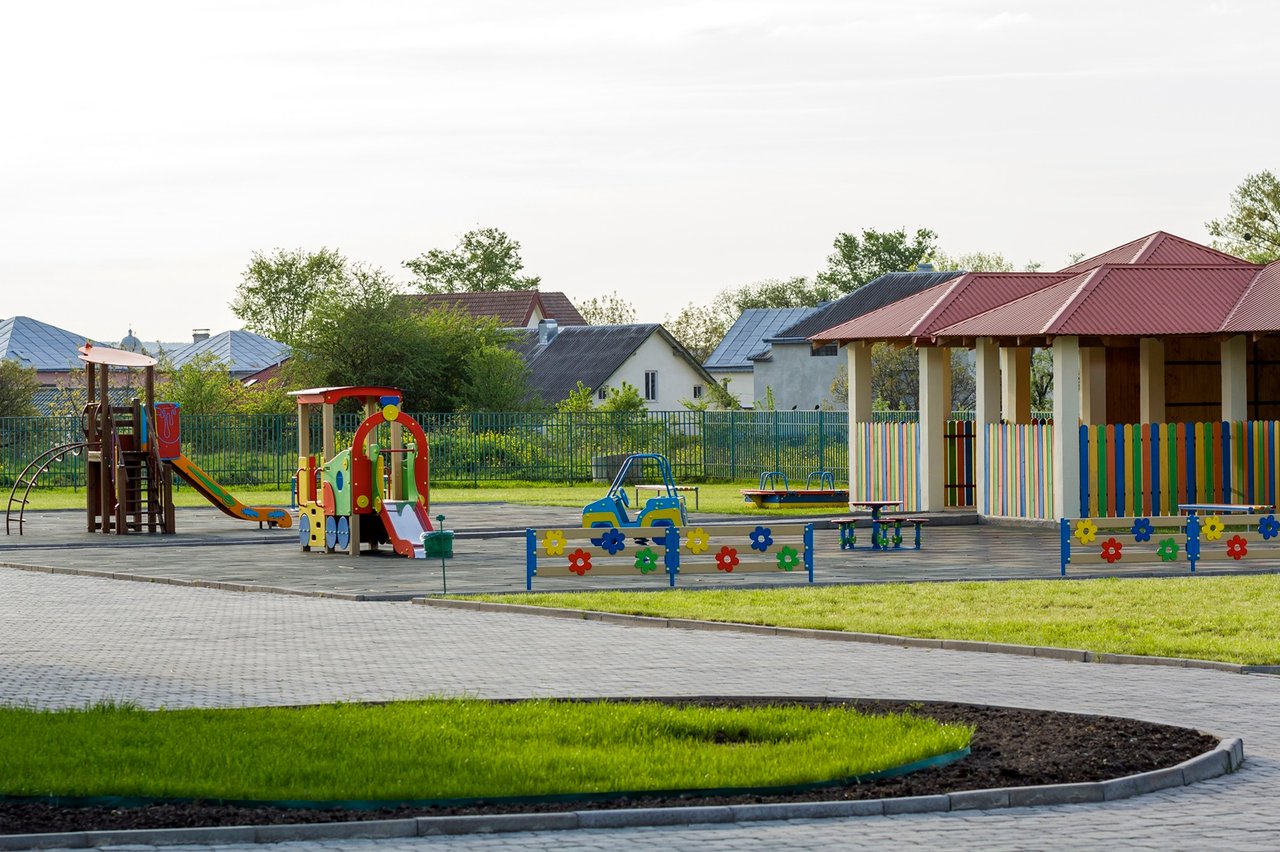
- Parks and recreational spaces
Infrastructure improvements make communities more attractive to future residents and businesses.
5. Commercial Development Follows Residential Growth
As neighborhoods grow, businesses often follow.
Increased population may attract:
- Grocery stores
- Restaurants
- Entertainment venues
- Medical facilities
- Retail centers
Commercial growth improves convenience and creates additional economic activity within the community.
6. School Systems Often Expand With Population Growth
Growing communities frequently experience increased demand for education.
This may lead to:
- New schools
- School expansions
- Improved educational programs
Strong school systems can further increase housing demand and attract families to the area.
7. Real Estate Appreciation Influences Investment
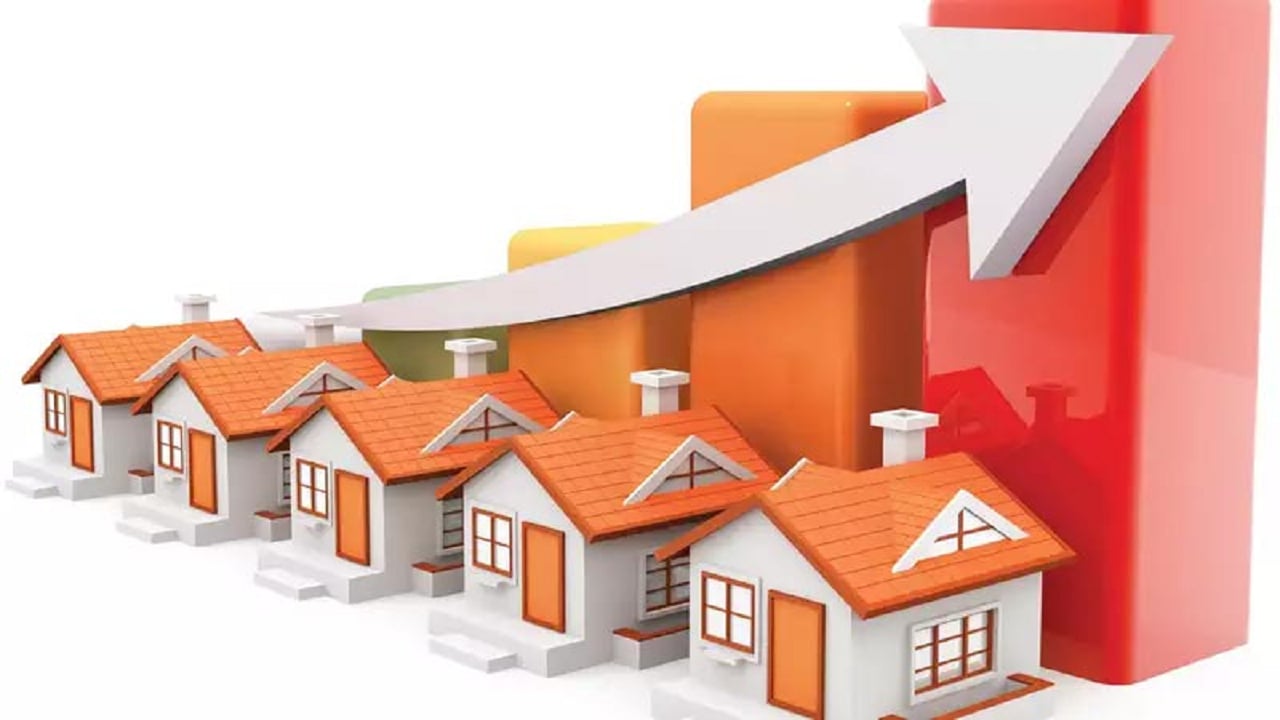
Communities experiencing strong growth often see rising property values.
Appreciation may attract:
- Investors
- Developers
- Additional homebuyers
While growth can increase wealth opportunities, it may also affect affordability for some residents.
8. Walkability and Lifestyle Amenities Shape Development
Modern buyers increasingly value:
- Walkable neighborhoods
- Green spaces
- Dining and entertainment
- Fitness and wellness amenities
As buyer preferences evolve, developers often design communities around lifestyle convenience and recreation.
9. Transportation Access Impacts Community Expansion
Transportation plays a major role in real estate growth.
Communities near:
- Major highways
- Transit systems
- Airports
- Employment centers
often experience stronger development and housing demand.
Improved transportation access can rapidly increase neighborhood desirability.
10. New Construction Can Transform Local Economies
Construction activity creates economic benefits through:
- Job creation
- Increased spending
- Business opportunities
Large development projects may attract additional investment and contribute to broader economic growth within a region.
11. Technology Influences Community Preferences
Technology continues changing how communities develop.
High-speed internet, smart infrastructure, and remote work flexibility have increased demand for:
- Tech-friendly neighborhoods
- Connected suburban communities
- Flexible live-work environments
Technology has expanded the types of locations buyers consider attractive.
12. Community Identity Evolves Over Time
As real estate trends change, neighborhood identities may also evolve.
Communities can transition from:
- Rural to suburban
- Industrial to mixed-use
- Quiet residential areas to entertainment hubs
Growth often reshapes local culture, lifestyle, and economic activity.
13. Sustainability Is Becoming More Important
Environmental awareness increasingly influences real estate development.
Communities may invest in:
- Green building practices
- Energy-efficient infrastructure
- Public parks and trails
- Sustainable transportation options
Eco-friendly development is becoming a larger part of long-term community planning.
14. Rising Demand Can Create Affordability Challenges
Rapid growth may also create housing affordability concerns.
As prices rise:
- Some residents may face financial pressure
- Rental costs may increase
- Inventory shortages may develop
Balancing growth with affordability remains a major challenge for many expanding communities.
15. Tourism and Entertainment Can Influence Growth
Communities with strong tourism appeal often experience:
- Increased real estate investment
- Hospitality expansion
- Short-term rental growth
- Infrastructure improvements
Entertainment and tourism can contribute significantly to local economic development.
16. Buyer Preferences Influence Future Development
Developers closely follow consumer trends.
Current buyer preferences often include:
- Flexible floor plans
- Outdoor living spaces
- Home offices
- Wellness amenities
- Community connectivity
As preferences change, future development patterns also evolve.
17. Real Estate Growth Can Strengthen Local Economies
Healthy real estate activity often contributes to:
- Increased property tax revenue
- New business investment
- Job growth
- Community improvements
Strong housing markets can support broader economic stability and expansion.
18. Long-Term Planning Is Essential for Sustainable Growth
Rapid growth without planning can create:
- Traffic congestion
- Infrastructure strain
- School overcrowding
- Reduced quality of life
Successful communities often focus on:
- Balanced development
- Infrastructure investment
- Environmental planning
- Long-term sustainability
Thoughtful planning helps communities grow responsibly.
Final Thoughts
Real estate trends play a powerful role in shaping how communities grow and evolve. Population changes, buyer preferences, economic conditions, and development activity all influence housing demand, infrastructure, local businesses, and neighborhood identity.
Understanding these trends helps buyers, investors, and residents better evaluate long-term opportunities and challenges within a community.
Ultimately, real estate growth is about more than property values—it also influences lifestyle, economic development, connectivity, and the future direction of entire communities.
--
Tina Jingru Sui 隋静儒
Associate Broker | Team Leader of TJS Team, Keller Williams
Serving Metro Atlanta — Johns Creek, Alpharetta, Duluth, Suwanee, Buford, and beyond
404-375-2120
WeChat: tinasuirealty
Follow me on Instagram / 小红书 / WeChat / Facebook