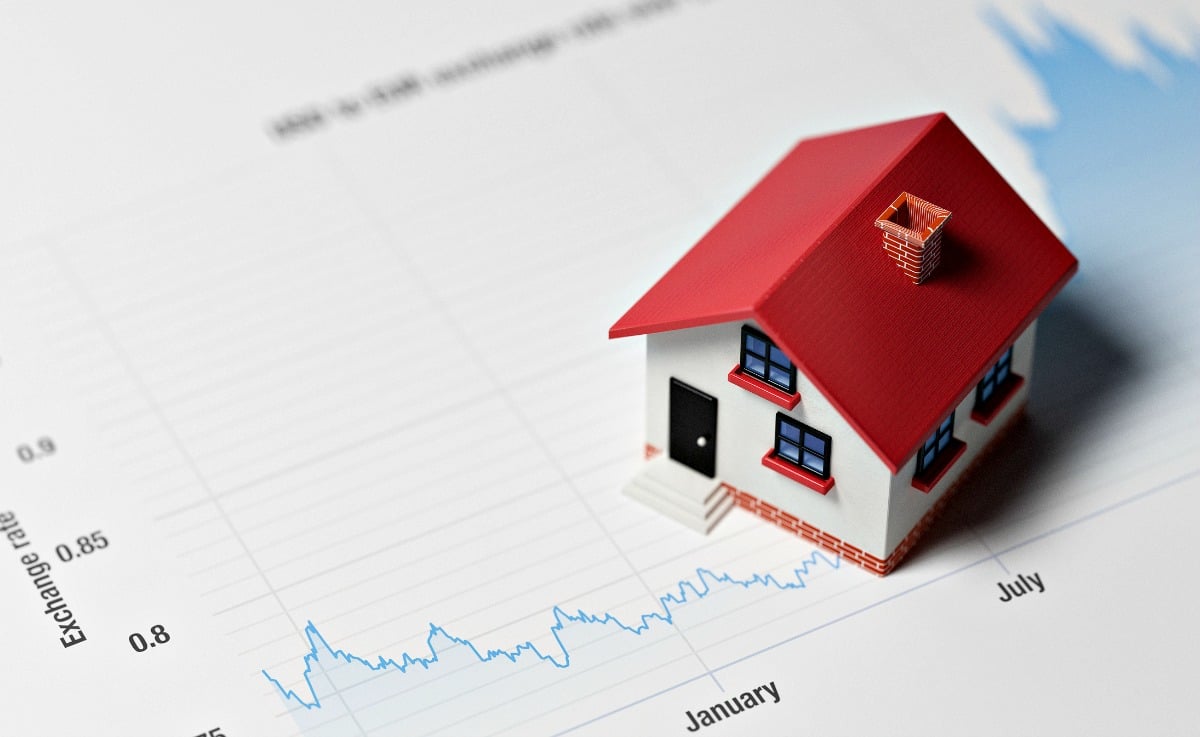
How Seasonal Trends Influence the Housing Market
The housing market is not static—it changes throughout the year. One of the most important but often overlooked factors influencing real estate activity is seasonality. Just like retail or tourism, real estate experiences predictable shifts in demand, pricing, and inventory depending on the time of year.
Understanding these seasonal trends can help buyers and sellers make smarter decisions, time their moves strategically, and better navigate market conditions.
1. Spring: The Busiest Season in Real Estate
Spring is widely considered the peak season for real estate activity.
Why spring is so active:
- Warmer weather encourages home shopping
- Families prepare to move before the new school year
- Homes look more attractive with blooming landscaping
- Longer daylight hours allow more showings
Market impact:
- Higher buyer demand
- Increased competition
- More listings entering the market
- Often higher prices due to competition
For sellers, spring is typically the best time to list. For buyers, it may require faster decision-making and stronger offers.
2. Summer: High Activity Continues with Strong Competition
Summer remains a strong market season, especially early in the period.
Key characteristics:
- Families aim to complete moves before school starts
- Buyers are highly active and motivated
- Inventory is often at its highest
Market impact:
- Competitive bidding in desirable areas
- Faster home sales
- Slightly more negotiation power than spring (in some markets)
However, late summer can start to slow as families settle before the school year begins.
3. Fall: A Balanced and Strategic Season
Fall often brings a more balanced market environment.
What changes in fall:
- Fewer buyers actively searching
- Motivated sellers still listing homes
- Reduced competition compared to spring and summer
Market impact:
- More negotiating power for buyers
- Slightly lower prices in some markets
- Faster decision-making from serious buyers
Fall is often considered a “smart buyer” season because competition is more manageable.
4. Winter: The Slowest but Most Advantageous for Buyers
Winter is typically the quietest season in real estate.
Why activity slows:
- Holidays reduce buyer activity
- Weather conditions can make moving more difficult
- Fewer new listings enter the market
Market impact:
- Lower competition among buyers
- More flexible sellers (often motivated)
- Potential for better deals or price reductions
Serious buyers during winter may find opportunities that are not available in peak seasons.
5. Inventory Levels Change Throughout the Year
One of the biggest seasonal effects is inventory variation.
- Spring/Summer: More homes available
- Fall/Winter: Fewer homes on the market
This affects both pricing and buyer choice:
- More inventory = more options but more competition
- Less inventory = fewer options but less competition
6. Buyer Behavior Changes With the Seasons
Seasonality also affects how buyers think and act.
In peak seasons:
- Faster decision-making
- Emotional competition (bidding wars)
- Higher urgency
In slower seasons:
- More careful analysis
- Greater negotiation flexibility
- Longer decision timelines
Understanding your own buying behavior during each season can help you plan better.
7. Price Trends and Seasonal Fluctuations
While not always dramatic, prices can shift slightly with the seasons.
- Spring often sees the strongest price growth
- Summer remains stable but competitive
- Fall may show slight price adjustments
- Winter often provides the most room for negotiation
However, local market conditions can sometimes override seasonal patterns.
8. School Calendar Influence on the Market
In many areas, especially suburban markets, school schedules heavily influence real estate activity.
- Families prefer moving in spring or early summer
- Buyers avoid mid-school-year disruptions
- Demand increases near top-rated school districts
This makes family-friendly neighborhoods especially seasonal.
9. Weather and Its Practical Impact
Weather plays a direct role in real estate activity.
- Good weather increases showings and open houses
- Poor weather can slow buyer movement
- Seasonal landscaping affects curb appeal
Homes often look their best in spring and summer, which can influence buyer perception.
10. How Buyers Should Use Seasonal Trends
Understanding seasonality helps buyers plan strategically.
Best strategies:
- Buy in fall or winter for less competition
- Sell in spring for maximum exposure
- Be prepared to act quickly in peak seasons
- Use slower seasons for negotiation advantages
Timing your purchase or sale can significantly impact your financial outcome.
Final Thoughts
Seasonal trends play a major role in shaping the housing market. While real estate is always active, the level of competition, pricing behavior, and buyer motivation shift throughout the year.
By understanding how each season affects inventory and demand, buyers and sellers can make more informed decisions and take advantage of market conditions.
In real estate, timing is not everything—but it can definitely give you an edge.
--
Tina Jingru Sui 隋静儒
Associate Broker | Team Leader of TJS Team, Keller Williams
Serving Metro Atlanta — Johns Creek, Alpharetta, Duluth, Suwanee, Buford, and beyond
404-375-2120
WeChat: tinasuirealty
Follow me on Instagram / 小红书 / WeChat / Facebook