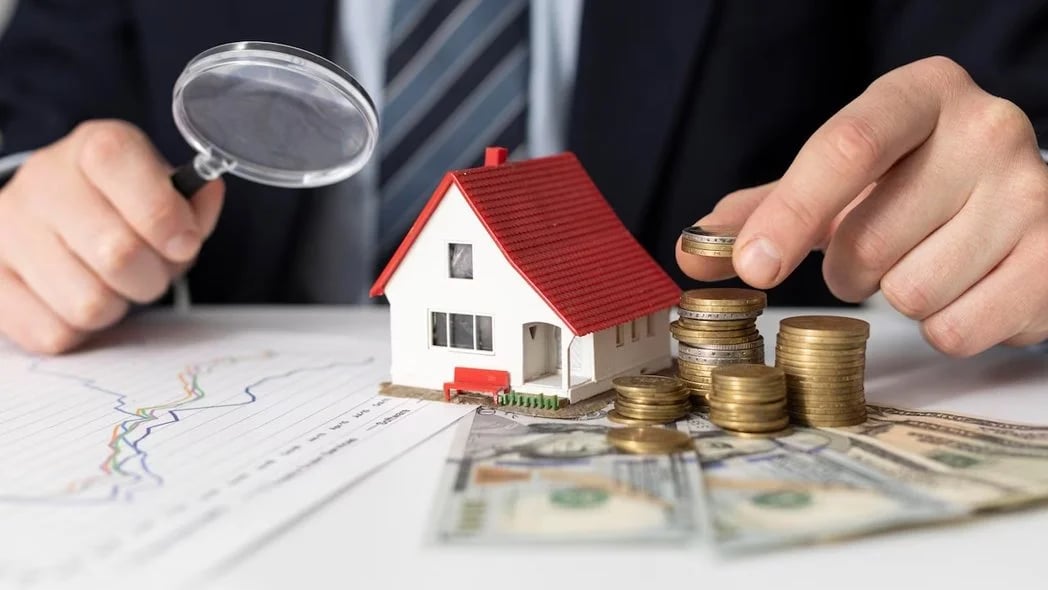
How Smart Buyers Evaluate a Property’s Future Value
Buying a home is not only about finding a place to live—it’s also about making a decision that can affect your financial future. Smart buyers understand that a property’s value today is important, but its potential value in the years ahead may matter even more.
While no one can perfectly predict the real estate market, experienced buyers look at several key factors that often signal whether a property is likely to grow in value over time.
1. Location and Neighborhood Growth
Location has always been one of the strongest drivers of real estate value. Smart buyers pay close attention not just to the current condition of a neighborhood, but also to its future development potential.
They often look for signs such as:
-
New infrastructure projects
-
Expanding business districts
-
New schools, parks, or transportation access
-
Ongoing residential development
Areas experiencing steady growth tend to attract more buyers in the future, which can support property value appreciation.
2. Functional and Timeless Home Design
A home’s layout and design can strongly influence how attractive it remains to future buyers. Smart buyers often choose properties with simple, practical floor plans rather than overly complicated designs.
Features that typically support long-term value include:
-
Open or connected living spaces
-
Efficient use of square footage
-
Flexible rooms that can serve different purposes
Homes that are easy to live in today are more likely to remain desirable years later.
3. Quality of Construction and Maintenance
Beyond appearances, experienced buyers pay attention to structural quality and maintenance. A home that has been well cared for tends to age better and require fewer costly repairs.
Important aspects they often evaluate include:
-
Roof condition
-
HVAC systems
-
Plumbing and electrical systems
-
Foundation stability
A property with solid construction often retains its value better than one that needs significant structural work.
4. Supply and Demand in the Area
Another factor smart buyers consider is local housing supply. If a neighborhood has limited space for new construction but strong demand, property values may rise more steadily over time.
In contrast, areas with large amounts of new development can sometimes experience slower appreciation because supply may keep increasing.
Understanding the balance between supply and demand can provide important clues about future value trends.
5. Nearby Amenities and Lifestyle Appeal
Properties located near everyday conveniences often maintain stronger long-term demand. Buyers frequently look for homes that provide easy access to important amenities.
These may include:
-
Grocery stores and restaurants
-
Parks and recreational spaces
-
Schools and healthcare facilities
-
Public transportation or major highways
A home that supports a convenient lifestyle is more likely to attract future buyers.
6. The Home’s Position Within the Neighborhood
Smart buyers also evaluate how a specific property compares to others in the same neighborhood. Homes that sit in the middle price range of the area often have better resale flexibility than the most expensive house on the block.
Being surrounded by properties of similar or higher value can also help support future price stability.
Final Thoughts
Evaluating a property’s future value requires looking beyond surface-level features. Smart buyers focus on location, layout, construction quality, market conditions, and neighborhood trends to make more informed decisions.
A home that combines these strengths not only provides a comfortable place to live but also offers the potential for long-term financial stability. In real estate, the best purchases are often those that balance present enjoyment with future opportunity.
--
Tina Jingru Sui 隋静儒
Associate Broker | Team Leader of TJS Team, Keller Williams
 Serving Metro Atlanta — Johns Creek, Alpharetta, Duluth, Suwanee, Buford, and beyond
 404-375-2120


 WeChat: tinasuirealty
 Follow me on Instagram / 小红书 / WeChat / Facebook