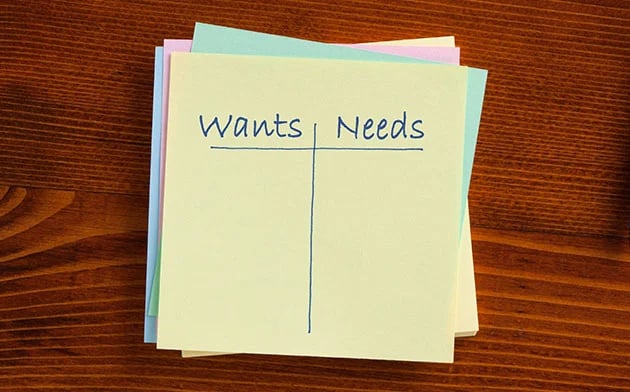
How to Balance Wants vs. Needs When Buying a Home
One of the biggest challenges in buying a home is separating what you want from what you actually need. It’s easy to get emotionally attached to upgrades, designs, and features—but without clear priorities, buyers often end up overspending or feeling regret later.
Balancing wants vs. needs helps you stay focused, realistic, and financially comfortable while still finding a home you love.
1. Understand the Difference Between Wants and Needs
Before anything else, define both clearly.
Needs (Non-Negotiable)
These are essential for your lifestyle and daily function:
- Safe neighborhood and location
- Enough bedrooms for your household
- Reasonable commute to work or school
- Budget-friendly monthly payments
- Basic structural condition of the home
Wants (Flexible Preferences)
These improve comfort but are not essential:
- Modern kitchen upgrades
- Walk-in closets
- Swimming pool or large backyard
- Smart home features
- Luxury finishes
Being honest about this difference is the foundation of smart home buying.
2. Set Your Budget First, Not Your Wishlist
Your budget should always guide your choices—not your emotions.
Include:
- Maximum purchase price
- Monthly mortgage affordability
- Insurance and property taxes
- Maintenance costs
Once your budget is clear, you can realistically decide which “wants” fit inside it.
3. Use a Priority Ranking System
A simple ranking system helps you stay organized:
- Level 1: Must-have (non-negotiable)
- Level 2: Important but flexible
- Level 3: Nice-to-have extras
This system helps you quickly compare homes without getting distracted by upgrades.
4. Focus on Location Before Features
One of the most important rules in real estate is:
You can change the house, but you cannot change the location.
Prioritize:
- Neighborhood safety
- Accessibility to work, school, and essentials
- Future development potential
- Community quality
A great location often outweighs upgraded interiors.
5. Expect to Compromise—Strategically
No home is perfect, especially within a budget.
You may need to:
- Choose a smaller home in a better location
- Accept older finishes and renovate later
- Skip luxury features for better structure or layout
The key is making intentional trade-offs, not random sacrifices.
6. Think Long-Term, Not Emotional
It’s easy to fall in love with features like a beautiful kitchen or staged interiors—but ask:
- Will this home still work in 5–10 years?
- Does it support my future plans?
- Is it financially sustainable long-term?
Long-term thinking prevents buyer’s remorse.
7. Compare Homes Using Your Checklist
Instead of judging homes emotionally, use your list as a filter.
Ask:
- Does this meet all my needs?
- How many of my wants does it satisfy?
- What would I need to change or upgrade later?
This keeps your decisions objective and consistent.
8. Don’t Let Upgrades Distract You From Value
Beautiful upgrades can be tempting, but remember:
- Cosmetic features can be changed later
- Structural issues are expensive to fix
- Overpaying for aesthetics can strain your budget
Focus on value, not just appearance.
9. Work With a Real Estate Professional
An experienced agent can help you:
- Identify realistic options within your budget
- Point out hidden value or issues
- Keep your expectations aligned with the market
This guidance helps you avoid emotional decisions.
Final Thoughts
Balancing wants vs. needs is about clarity, discipline, and long-term thinking. When you focus on essentials first and treat extras as bonuses, you make smarter financial decisions and reduce stress during the homebuying process.
The right home isn’t the one with everything—it’s the one that fits your life, your goals, and your budget without compromise on what truly matters.
--
Tina Jingru Sui 隋静儒
Associate Broker | Team Leader of TJS Team, Keller Williams
Serving Metro Atlanta — Johns Creek, Alpharetta, Duluth, Suwanee, Buford, and beyond
404-375-2120
WeChat: tinasuirealty
Follow me on Instagram / 小红书 / WeChat / Facebook