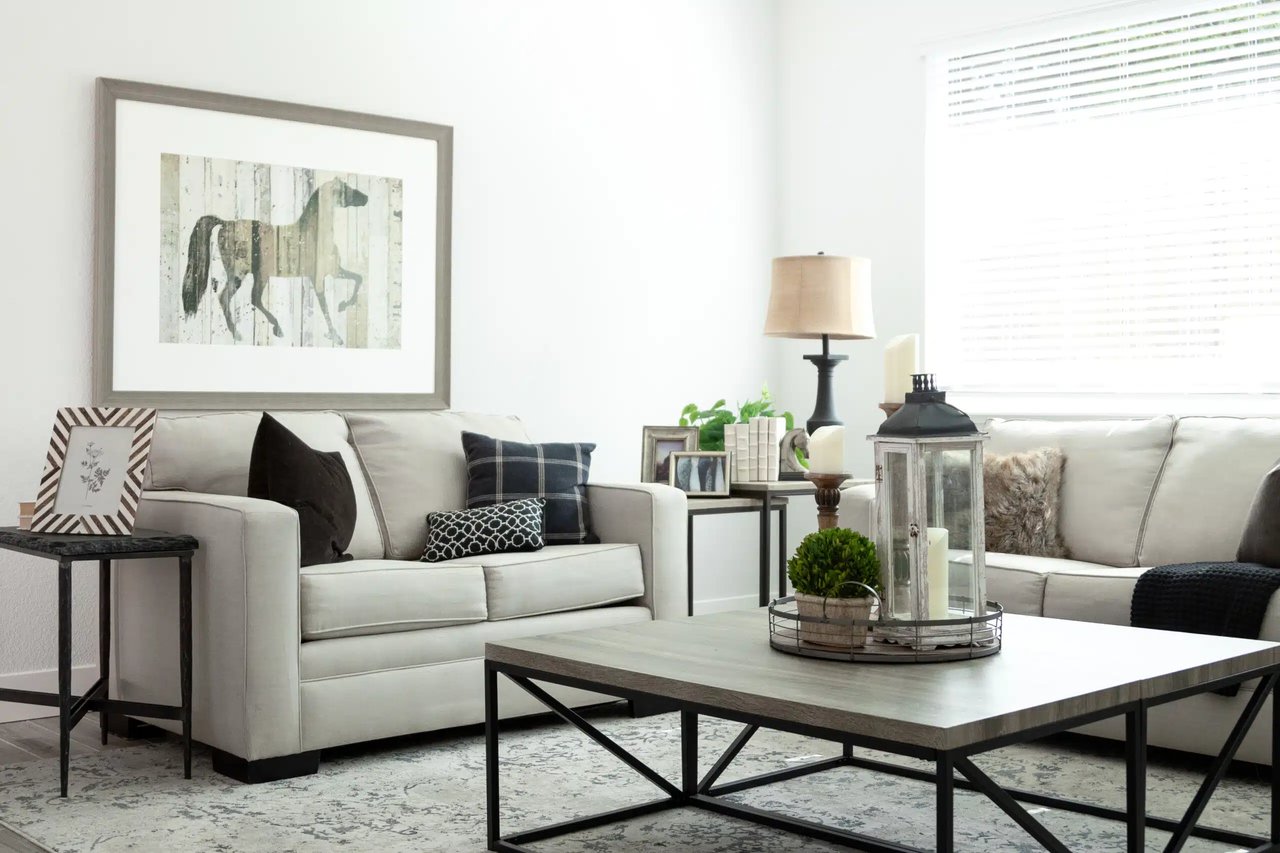
How to Evaluate a Home’s Long-Term Comfort Before Buying
Buying a home is not just about finding a place that looks good during a short tour. The most important question buyers should ask is whether the home will remain comfortable to live in for many years. Long-term comfort affects daily living, family routines, and even the future resale value of the property.
In housing markets like Atlanta, experienced buyers understand that evaluating comfort requires looking beyond cosmetic features and focusing on the home’s functionality, environment, and design.
1. Evaluate the Home’s Layout and Flow
One of the biggest factors in long-term comfort is how well the home’s layout supports daily life. A well-designed floor plan makes movement easy and ensures each area serves its purpose efficiently.
Things to consider include:
-
Whether the kitchen connects naturally with dining and living spaces
-
If bedrooms are located in quieter parts of the home
-
Whether bathrooms are conveniently located
-
If there are flexible rooms for offices, guests, or hobbies
A logical layout makes everyday living smoother and less stressful.
2. Observe Natural Light Throughout the Home
Natural light plays an important role in how comfortable a home feels. Bright spaces tend to improve mood, increase energy efficiency, and make rooms feel larger.
Look for:
-
Large windows in main living areas
-
Balanced daylight across different rooms
-
Good views and outdoor connection
Homes that receive consistent natural light usually provide a more pleasant living experience.
3. Pay Attention to Noise and Surroundings
Comfort is also influenced by the environment around the home. During your visit, try to notice:
-
Traffic noise from nearby roads
-
Proximity to schools, parks, or commercial areas
-
Overall neighborhood atmosphere
Communities such as Alpharetta and Johns Creek often attract buyers partly because they combine convenience with quieter residential environments.
4. Check Temperature and Airflow
A comfortable home maintains a stable indoor environment throughout the year. Pay attention to:
-
Air circulation between rooms
-
Quality and age of the HVAC system
-
Insulation and window condition
-
Signs of humidity or poor ventilation
Proper airflow and temperature control can significantly affect long-term comfort.
5. Look for Practical Everyday Features
Sometimes small practical details determine whether a home feels comfortable over time. These features support daily routines and organization.
Important details include:
-
Adequate storage and closet space
-
Convenient laundry areas
-
Well-sized kitchens and bathrooms
-
Easy access to outdoor areas
Homes that are designed around real-life use often remain comfortable even as household needs evolve.
6. Think About Future Lifestyle Changes
Smart buyers also consider how their needs may change over time. A home that feels comfortable today should still work well in the future.
Consider whether the home allows for:
-
Remote work or study spaces
-
Guest accommodations
-
Growing families or aging in place
-
Flexible living arrangements
Homes that adapt easily to life changes tend to offer greater long-term satisfaction.
Final Thoughts
Evaluating long-term comfort requires looking deeper than appearances. By focusing on layout, natural light, environmental factors, airflow, and practical features, buyers can better understand whether a home will truly support everyday life.
In competitive markets like Atlanta, the homes that provide lasting comfort are often the ones that balance thoughtful design with practical functionality.
Ultimately, the best homes are not just beautiful during a showing—they are the ones that continue to feel comfortable, functional, and welcoming long after you move in.
--
Tina Jingru Sui 隋静儒
Associate Broker | Team Leader of TJS Team, Keller Williams
 Serving Metro Atlanta — Johns Creek, Alpharetta, Duluth, Suwanee, Buford, and beyond
 404-375-2120


 WeChat: tinasuirealty
 Follow me on Instagram / 小红书 / WeChat / Facebook