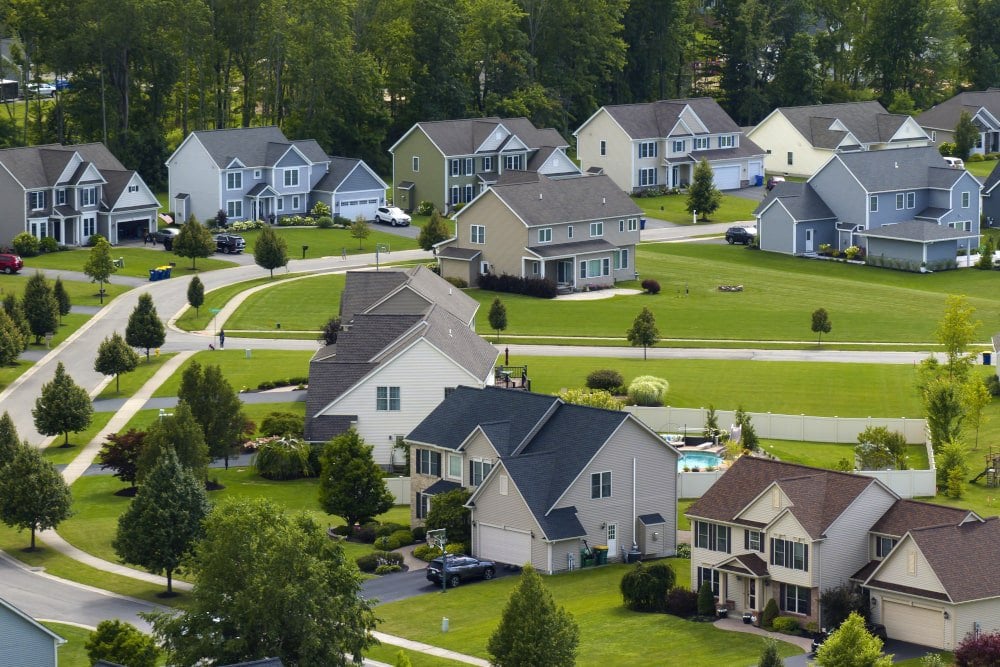
How to Evaluate a Neighborhood Before Buying a Home
When buying a home, many people focus on the property itself—the layout, size, features, and price. However, the neighborhood can have an even greater impact on your long-term satisfaction and the future value of your investment. After all, you can renovate a house, but you cannot easily change its location.
Taking the time to carefully evaluate a neighborhood before purchasing a home can help you make a smarter decision and avoid surprises later. Here are some important factors to consider.
Consider Your Daily Lifestyle Needs
Start by thinking about how the neighborhood fits your everyday routine.
Ask yourself:
- How far is the commute to work?
- Are grocery stores nearby?
- Is there convenient access to healthcare?
- Are restaurants, shopping centers, and services easily accessible?
A neighborhood that supports your lifestyle can improve both convenience and quality of life.
Visit the Area at Different Times
A neighborhood can feel very different depending on the time of day.
Try visiting:
- Morning hours
- Afternoon hours
- Evenings
- Weekends
This helps you observe:
- Traffic patterns
- Noise levels
- Parking availability
- General activity in the area
Multiple visits provide a more complete picture of daily life.
Research Local Schools
Even if you do not have children, school quality can affect property values and buyer demand.
Consider:
- School ratings
- Academic performance
- Extracurricular opportunities
- School proximity
Homes near highly regarded schools often attract strong long-term interest from buyers.
Evaluate Safety and Community Environment
Feeling comfortable in your neighborhood is important.
Pay attention to:
- Well-maintained properties
- Street lighting
- Community involvement
- General cleanliness
You can also research publicly available local safety information to better understand the area.
Check Transportation and Accessibility
Convenient transportation options can significantly impact daily life.
Consider:
- Major road access
- Public transportation availability
- Commute times
- Walkability
- Bicycle-friendly infrastructure
Good accessibility often increases both convenience and property appeal.
Explore Nearby Amenities
Amenities can add value and enjoyment to a neighborhood.
Look for:
- Parks and green spaces
- Fitness centers
- Libraries
- Community centers
- Entertainment options
Access to recreational opportunities can improve overall lifestyle satisfaction.
Study Future Development Plans
Researching future development can help you understand how the area may change over time.
Examples include:
- New schools
- Road improvements
- Commercial developments
- Residential construction projects
Future growth may influence both property values and neighborhood character.
Observe Property Conditions
The condition of surrounding homes can provide clues about neighborhood stability.
Look for:
- Well-maintained yards
- Clean streets
- Consistent property upkeep
- Signs of ongoing investment
Neighborhood pride often reflects positively on long-term property values.
Consider Noise Levels
Noise can affect daily comfort more than many buyers realize.
Potential noise sources include:
- Busy roads
- Rail lines
- Airports
- Commercial areas
- Entertainment venues
Visiting the area at different times helps identify any concerns.
Assess Walkability
Many buyers value the ability to walk to nearby destinations.
A walkable neighborhood may provide:
- Greater convenience
- Reduced transportation costs
- More opportunities for exercise
- Stronger community interaction
Walkability can also increase future buyer interest.
Talk to Local Residents
Current residents can provide valuable insights about the neighborhood.
You might learn about:
- Community atmosphere
- Traffic conditions
- Local events
- Area strengths and challenges
Personal perspectives can reveal information that online research may miss.
Compare Property Values and Market Trends
Review local real estate activity to better understand the area's stability.
Consider:
- Recent home sales
- Average days on market
- Price trends
- Inventory levels
Strong market fundamentals may indicate long-term value potential.
Think About Long-Term Fit
Your needs may change over time, so consider how the neighborhood may fit your future lifestyle.
Ask yourself:
- Will this area support future family needs?
- Does it offer long-term convenience?
- Could it accommodate career changes or lifestyle shifts?
Choosing a neighborhood with long-term appeal can help you avoid moving sooner than expected.
Trust Both Research and Personal Experience
Data and market research are important, but so is your personal comfort level.
After gathering information, consider:
- Do you feel comfortable in the area?
- Can you imagine living there for several years?
- Does the neighborhood match your goals and lifestyle?
Combining objective research with personal impressions often leads to the best decision.
Final Thoughts
A home purchase is about more than the house itself—the neighborhood plays a major role in your daily life, future property value, and overall satisfaction. By researching schools, amenities, safety, transportation, market trends, and future development plans, buyers can make more informed decisions.
Taking the time to thoroughly evaluate a neighborhood before purchasing can help ensure that your new home is not only a good property, but also part of a community that supports your lifestyle and long-term goals.
--
Tina Jingru Sui 隋静儒
Associate Broker | Team Leader of TJS Team, Keller Williams
 Serving Metro Atlanta — Johns Creek, Alpharetta, Duluth, Suwanee, Buford, and beyond
 404-375-2120


 WeChat: tinasuirealty
 Follow me on Instagram / 小红书 / WeChat / Facebook