How to Recognize a Property That Will Age Well Over Time
Some homes look amazing on day one — but feel outdated five years later.
Others seem simple at first — yet remain desirable, functional, and valuable for decades.
The difference isn’t luck. It’s structure.
If you want to buy a property that will age well over time, here’s what to look for.
1. Timeless Location Fundamentals
A home’s ability to age well starts with where it sits.
Look for:
-
Proximity to stable employment centers
-
Established school districts
-
Mature infrastructure (roads, utilities, retail)
-
Limited land for overdevelopment
-
Long-term community planning
Trendy areas can surge quickly, but mature locations with layered demand tend to hold value more consistently across cycles.
A timeless location makes everything else more forgiving.
2. Functional Floor Plans Over Trendy Layouts
Design trends shift. Practicality rarely does.
Homes that age well typically have:
-
Logical flow between rooms
-
Balanced bedroom-to-bath ratios
-
Bedrooms positioned for privacy
-
Kitchens integrated with everyday living spaces
-
Adequate storage throughout
Highly experimental layouts or overly customized designs may limit future appeal.
When a floor plan feels intuitive without explanation, that’s a strong sign of longevity.
3. Proportional Design
Well-aging homes tend to feel balanced.
Watch for:
-
Room sizes that match the scale of the home
-
Kitchens and living areas proportionate to overall square footage
-
Ceiling heights that feel comfortable, not excessive
-
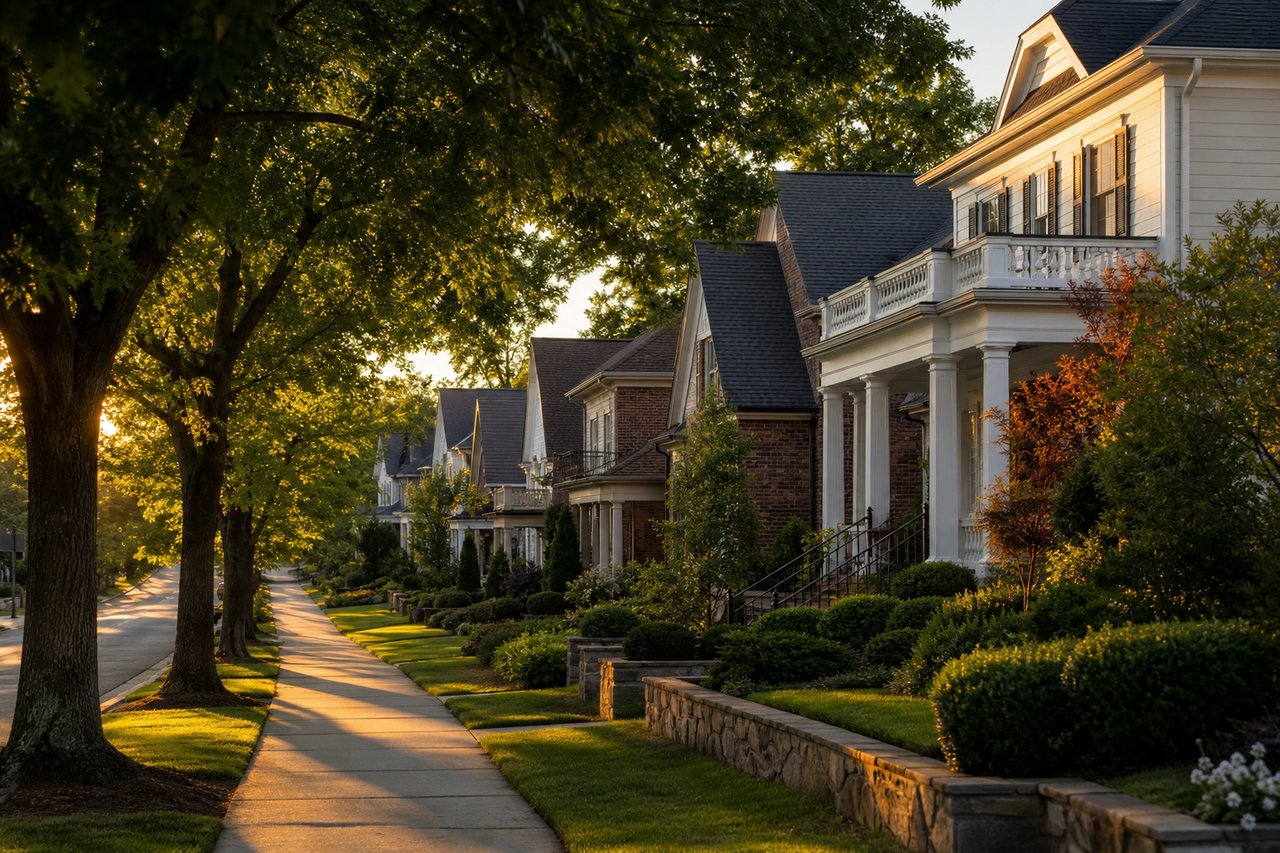
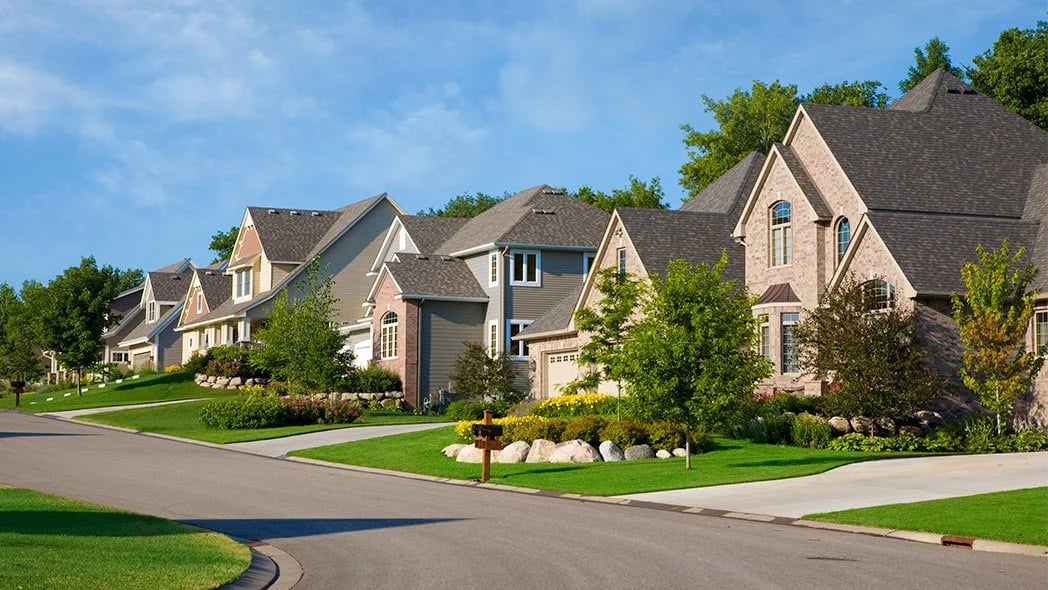
Exterior designs that blend with the neighborhood
Overly dramatic features often age faster than restrained, proportional design.
Balance is timeless.
4. Durable Materials and Solid Construction
A property that ages well isn’t just visually appealing — it’s structurally sound.
Evaluate:
-
Roof condition and lifespan
-
HVAC age and maintenance history
-
Foundation stability
-
Plumbing and electrical systems
-
Quality of exterior materials
Cosmetic updates are easy. Structural problems are expensive.
Homes built with quality materials and maintained properly tend to hold value longer and require fewer disruptive repairs.
5. Broad Buyer Appeal
Ask yourself:
Will this home appeal to the average buyer five, ten, or fifteen years from now?
Homes that age well typically:
-
Fall within strong demand price ranges
-
Offer versatile spaces (office, guest room, flex room)
-
Avoid highly niche upgrades
-
Fit standard lifestyle needs
The broader the appeal, the deeper the future buyer pool.
Depth of demand protects resale value.
6. Community Stability
Neighborhood characteristics matter just as much as the house itself.
Look for:
-
High owner-occupancy rates
-
Low turnover
-
Well-maintained surrounding homes
-
Active community involvement
-
Limited short-term rental saturation
Stable communities tend to support stable pricing.
When neighbors invest long term, property values benefit.
7. Flexibility for Lifestyle Changes
The world changes — remote work, multigenerational living, downsizing, shifting priorities.
Homes that age well allow for flexibility:
-
Spare rooms that can become offices
-
Basement or bonus spaces
-
Functional outdoor areas
-
Layouts that can adapt without major renovation
Flexibility extends a property’s relevance.
8. Sensible Price Entry
Even the strongest property can struggle if purchased at an inflated price.
Buying within or slightly below neighborhood value ranges:
-
Reduces downside exposure
-
Increases appreciation margin
-
Improves resale positioning
A disciplined purchase sets the foundation for long-term performance.
9. Avoiding Over-Complexity
Complicated homes often age poorly.
Examples include:
-
Excessively customized architecture
-
High-maintenance features
-
Overbuilt luxury beyond neighborhood standards
-
Unique layouts that require explanation
Simplicity tends to endure.
Homes that are easy to understand are easier to sell.
Final Thoughts
Properties that age well share common traits:
-
Strong location fundamentals
-
Practical, balanced design
-
Durable construction
-
Broad resale appeal
-
Community stability
They may not always be the flashiest homes on the market — but they are often the ones that quietly outperform over time.
In real estate, the homes that last are rarely built around trends.
They’re built around function, structure, and enduring demand.
And those qualities never go out of style.
--
Tina Jingru Sui 隋静儒
Associate Broker | Team Leader of TJS Team, Keller Williams
 Serving Metro Atlanta — Johns Creek, Alpharetta, Duluth, Suwanee, Buford, and beyond
 404-375-2120


 WeChat: tinasuirealty
 Follow me on Instagram / 小红书 / WeChat / Facebook