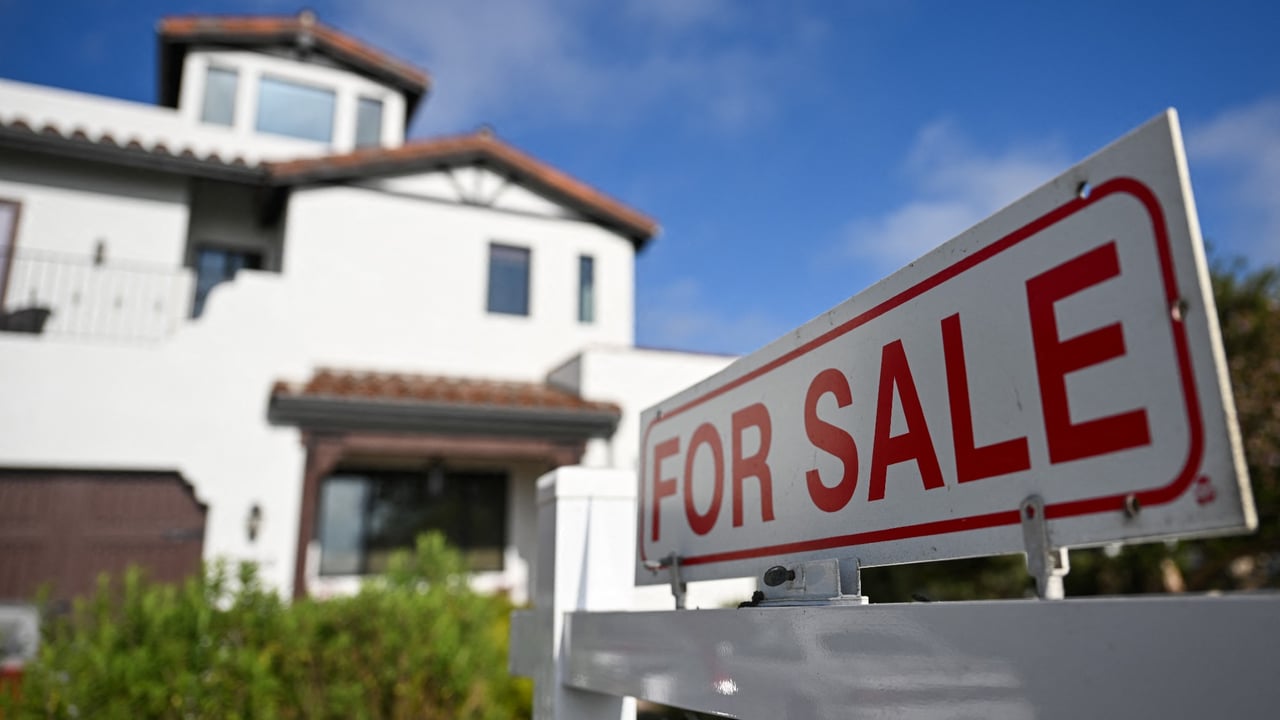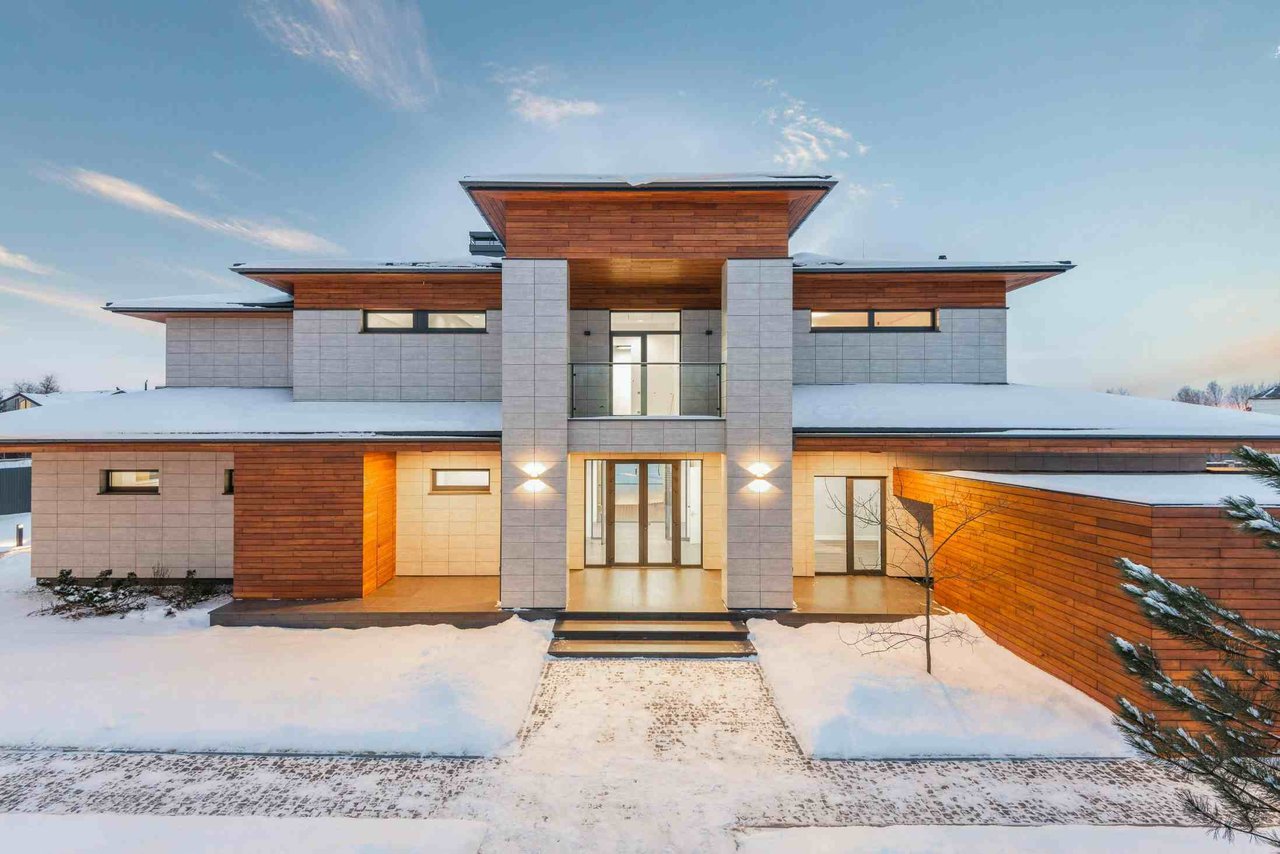
Is a Bigger House Always a Better Investment?
When buyers think about “investment value,” size is often the first thing that comes to mind. More square footage feels like more value. More rooms feel like more flexibility. And a bigger house must be a better long-term investment… right?
Not always.
In Metro Atlanta—and in most real estate markets—bigger doesn’t automatically mean better. In fact, in some cases, larger homes can cost more to own and be harder to sell. Here’s how to think about size, value, and investment potential more realistically.
1. Price Per Square Foot Isn’t the Whole Story
Buyers often compare homes using price per square foot. While it’s a useful metric, it can be misleading.
Larger homes often have a lower price per square foot, but that doesn’t mean they’re a better deal. Total purchase price, property taxes, insurance, utilities, and maintenance all increase with size.
What matters more:
How much value that extra space actually adds to your lifestyle—and whether future buyers will want it.
2. Extra Space Only Adds Value If Buyers Want It
A five-bedroom, 4,000-square-foot home sounds impressive. But in many Metro Atlanta neighborhoods, the buyer pool is strongest for homes in the 2,200–3,200 square-foot range.
Oversized homes can sit longer on the market because fewer buyers can afford—or want—the higher monthly cost.
Investment reality:
Homes that appeal to the largest number of buyers tend to hold value better.
3. Layout Often Matters More Than Size
A well-designed 2,600-square-foot home can feel more spacious and functional than a poorly designed 3,800-square-foot one.
Long hallways, unused formal spaces, or awkward room placements don’t add real value—even if the square footage looks good on paper.
Smart buyers focus on:
Flow, natural light, storage, and how spaces connect—not just the total size.
4. Bigger Homes Come With Bigger Carrying Costs
Beyond the purchase price, larger homes cost more to own:
-
Higher property taxes
-
Increased insurance premiums
-
More expensive heating and cooling
-
Higher maintenance and repair costs
Over time, these costs can significantly impact your return on investment—especially if appreciation doesn’t outpace expenses.
5. Neighborhood Context Matters
A large home in a neighborhood of smaller homes may struggle to appreciate. Buyers typically compare homes within the same community.
If your house is significantly larger or more expensive than nearby homes, the neighborhood can cap its value.
Rule of thumb:
The best investment is often a home that fits its surroundings—not one that stands far above them.
6. Lifestyle Needs Change Faster Than You Think
Many buyers justify a bigger home by planning for the future—growing families, home offices, or guests. But lifestyle needs change.
Empty rooms still cost money. And unused space doesn’t add value if it’s rarely used.
Better approach:
Buy for how you’ll live in the next 3–7 years, not a hypothetical future.
7. Smaller, Smarter Homes Often Win on Resale
Homes with:
-
Flexible spaces
-
Efficient layouts
-
Lower monthly costs
-
Desirable locations
often outperform larger homes when it’s time to sell. They attract first-time buyers, move-up buyers, and downsizers alike.
Final Thoughts
A bigger house can be a great choice—if the layout is right, the location supports it, and the added space truly fits your lifestyle. But size alone doesn’t guarantee a better investment.
In Metro Atlanta, the strongest long-term value usually comes from homes that balance size, function, location, and buyer demand.
If you’re deciding between “more space” and “better fit,” the smarter investment is often the one that works better—not bigger.
--
Tina Jingru Sui 隋静儒
Associate Broker | Team Leader of TJS Team, Keller Williams
 Serving Metro Atlanta — Johns Creek, Alpharetta, Duluth, Suwanee, Buford, and beyond
 404-375-2120


 WeChat: tinasuirealty
 Follow me on Instagram / 小红书 / WeChat / Facebook