Should You Buy a Home Near a Busy Road? Noise, Value, and Long-Term Appreciation
Buying a home is one of the biggest investments most people make, and location plays a huge role in your comfort, lifestyle, and financial future. One question many buyers face is: Should I buy a home near a busy road?
Homes near highways, main streets, or bustling urban corridors can offer convenience—but they also come with unique challenges. In this guide, we break down noise, property value, and long-term appreciation to help you make an informed decision.
1. Understanding the Noise Factor
Noise is the most obvious downside of living near a busy road.
Common sources:
-
Traffic and honking
-
Trucks and delivery vehicles
-
Emergency sirens
-
Construction and maintenance
How noise affects life:
-
Sleep disruption
-
Difficulty focusing if working from home
-
Reduced outdoor enjoyment
Tip: Visit the home at different times of day and week to gauge traffic and noise patterns. Consider soundproofing solutions like double-pane windows, thick curtains, or landscaping buffers.
2. The Impact on Property Value
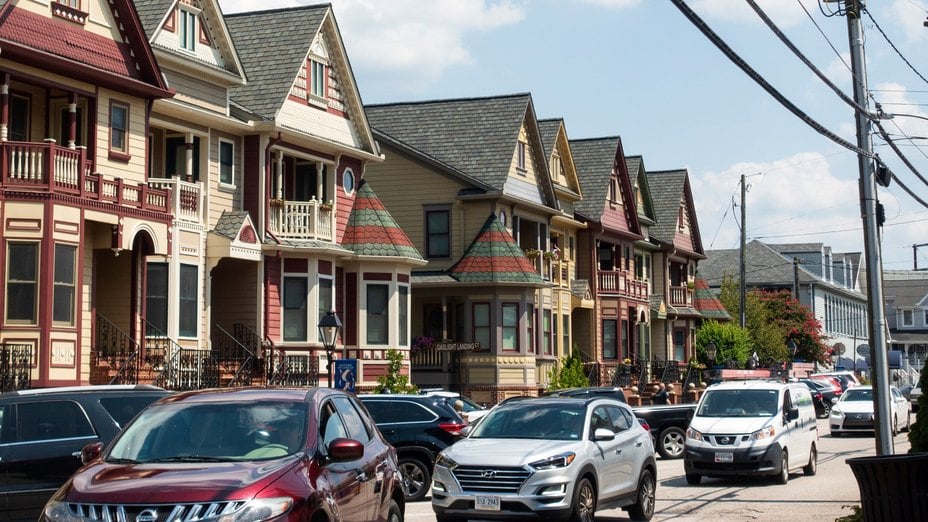
Homes near busy roads often sell for less than similar properties in quieter locations.
Why:
-
Buyers may perceive noise as a negative
-
Safety concerns, especially for families with children
-
Limited curb appeal due to traffic
However, location is nuanced. Homes near commercial areas or transit hubs may have higher demand for convenience, offsetting some depreciation.
2026 Insight:
Urban areas like Atlanta, Charlotte, and Nashville have seen some appreciation in “busy-road” properties because of growing demand for walkable, transit-accessible homes.
3. Safety and Accessibility Considerations
Buying near a busy road has pros and cons when it comes to safety:
Pros:
-
Quick access to highways or main arteries
-
Easier commuting and connectivity
Cons:
-
Higher risk of car accidents near driveways and intersections
-
Pedestrian safety concerns
Tip: Look for properties with proper fencing, safe crosswalks, and slower traffic in front of the home.
4. Long-Term Appreciation
Will a home near a busy road gain value over time?
-
Potential slower appreciation: Noise and traffic may deter some buyers.
-
Location advantage: If the property is near shopping, schools, or public transit, it may appreciate faster than quieter, less accessible areas.
-
Urbanization trend: As cities grow, homes near main roads may become prime locations for commercial development, increasing their value.
Tip: Check city planning documents to see if there are future road expansions, commercial developments, or traffic-calming initiatives that could affect the home’s value.
5. Mitigation Strategies for Noise and Traffic
Even if you love a home near a busy road, you can reduce negative impacts:
-
Landscaping: Trees, shrubs, and fences act as natural noise barriers.
-
Soundproofing: Install double- or triple-pane windows, heavy doors, and insulated walls.
-
Home layout: Bedrooms facing away from the road reduce noise exposure.
-
Smart home tech: White-noise machines or sound-masking devices help indoors.
6. Pros of Buying Near a Busy Road
Despite the challenges, there are advantages:
-
Convenience: Quick access to work, shopping, and public transit
-
Potential rental demand: Renters often prioritize accessibility
-
Faster emergency response: Fire, police, and medical services often have shorter routes
7. Cons of Buying Near a Busy Road
-
Noise pollution and reduced privacy
-
Safety risks for kids and pets
-
Possible slower resale or lower appreciation
-
Higher exposure to air pollution
8. Key Questions to Ask Before Buying
-
How busy is the road during rush hour and evenings?
-
Is noise manageable with windows closed or landscaping?
-
How safe is the area for pedestrians and children?
-
Are there future road projects or commercial developments planned?
-
Does the convenience outweigh potential drawbacks for your lifestyle?
Final Thoughts
Buying a home near a busy road is a tradeoff. While you gain convenience, connectivity, and sometimes affordability, you may face noise, safety, and slower long-term appreciation.
The decision ultimately depends on your priorities and lifestyle. If you can mitigate noise and safety concerns and value accessibility, it may be worth it. But if peace, quiet, and maximum long-term property appreciation are top priorities, you might look elsewhere.
--
Tina Jingru Sui 隋静儒
Associate Broker | Team Leader of TJS Team, Keller Williams
 Serving Metro Atlanta — Johns Creek, Alpharetta, Duluth, Suwanee, Buford, and beyond
 404-375-2120


 WeChat: tinasuirealty
 Follow me on Instagram / 小红书 / WeChat / Facebook