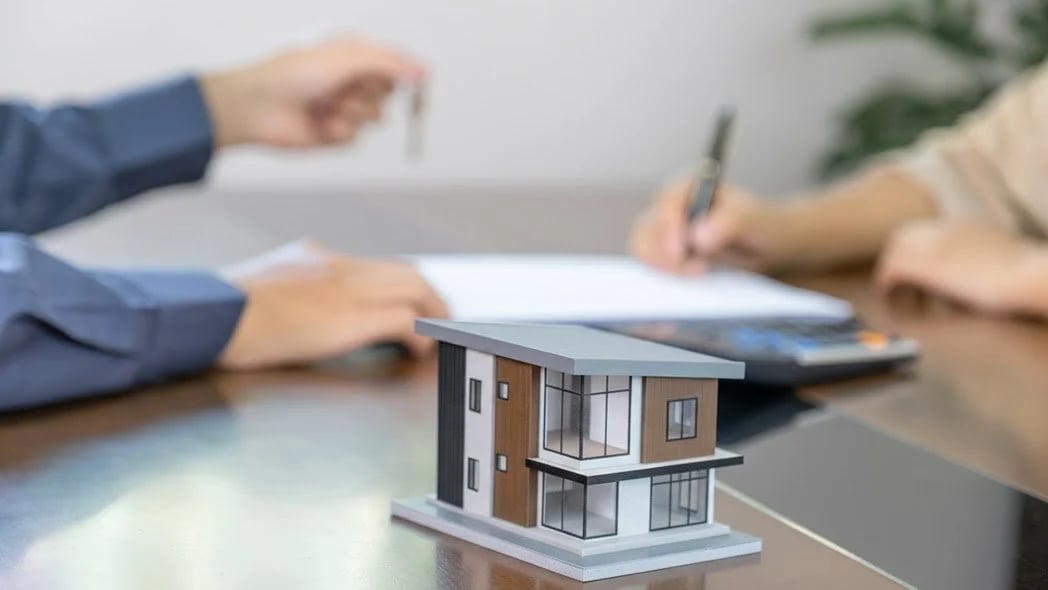
If you’re planning a move in 2026, you might be asking yourself — Should I rent out my home or sell it?
Both options have benefits, but the right choice depends on your goals, finances, and the market. Let’s break it down simply.
Renting Your Home – The Pros
-
Monthly Income: Renting can bring in steady cash flow, especially if rent covers your mortgage.
-
Property Appreciation: You keep ownership, so if home values rise, you can sell later for more.
-
Tax Benefits: Landlords can deduct expenses like mortgage interest, repairs, and property management fees.
Renting Your Home – The Cons
-
Responsibilities: You’ll need to manage repairs, tenants, and maintenance — or pay a property manager.
-
Vacancies & Risk: There’s no guarantee your home will stay rented 100% of the time.
-
Wear and Tear: Tenants may not care for your home as well as you would.
Selling Your Home – The Pros
-
Instant Cash: Selling gives you access to your home’s equity to use for your next purchase or investment.
-
Less Stress: Once sold, you’re free from maintenance, taxes, and tenant issues.
-
Strong Market: If home prices are still high in 2026, selling could maximize your return.
Selling Your Home – The Cons
-
No Future Gain: If home values continue rising, you’ll miss out on appreciation.
-
Closing Costs: Realtor fees and taxes can take a portion of your profit.
-
Finding Your Next Home: In a competitive market, selling might leave you scrambling to buy again.
How to Decide
Ask yourself:
-
Do you need the cash now, or can you wait for long-term growth?
-
Are you prepared to manage a rental or hire help?
-
What’s the market like in your area — favoring sellers or renters?
If you’re unsure, talk with a local real estate professional. They can run numbers for both scenarios to help you make the smartest move for your situation.
Bottom Line
In 2026, whether you rent or sell depends on your financial goals and lifestyle. Renting can build wealth over time, while selling offers freedom and liquidity. The key is choosing what aligns best with your next chapter