
Owning rental properties in Atlanta can be a profitable investment, but without proper tax planning, you could be leaving money on the table-or worse, making costly mistakes.
This guide outlines the key tax strategies and deductions available to Chinese rental property owners in Atlanta, Georgia, as of 2025. Whether you're a first-time landlord or seasoned investor, understanding these tips can help you reduce tax liability and increase your net returns.
1. Understand the Core Taxes You Owe
Rental properties in Georgia may trigger multiple levels of taxation:
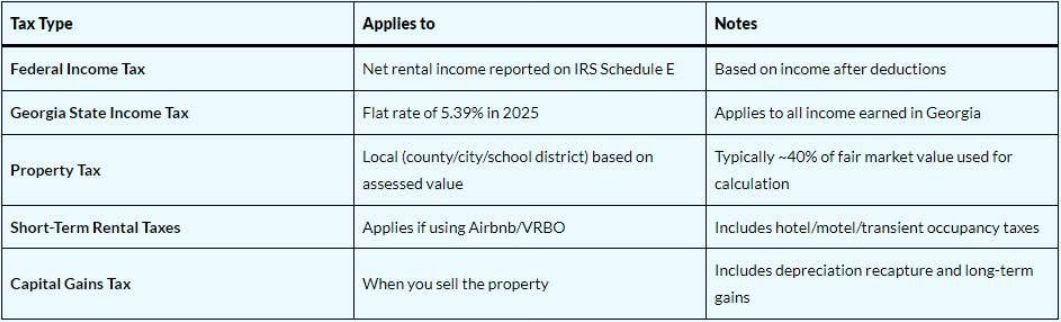
Knowing what taxes apply is the foundation of good planning.
2. Maximize Deductions to Reduce Taxable Income
As a landlord, you're allowed to deduct many expenses from your rental income. Common deductions include:
- Mortgage Interest
- Property Taxes
- Homeowners Insurance
- Repairs and Maintenance
- Capital Improvements (depreciated over time)
- Property Management Fees
- Advertising and Marketing
- Utilities (if landlord pays)
- Travel Expenses (related to property)
- Professional Services (CPA, attorney)
- Depreciation (see below)
Tip: Keep detailed receipts, invoices, and bank statements to support every deduction.
3. Use Depreciation Wisely
Depreciation is one of the most powerful tools for reducing rental income on paper:
- Residential properties are depreciated over 27.5 years (land value excluded)
- Depreciation is a "paper loss"-no money spent, but it reduces taxable income
- Be aware of depreciation recapture when selling (taxed at up to 25%)
4. Choose the Right Ownership Structure
How you own the property affects both liability and taxes:
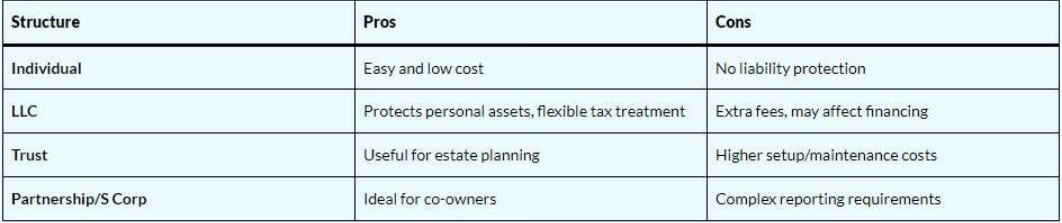
If you're a foreign national or investing with family, structure choice is crucial -consult a qualified CPA or attorney.
5. Appeal Property Tax Assessments
In Georgia, counties reassess property values annually. If your assessed value seems high:
- You have 30-45 days to appeal after receiving your notice
- Provide comps, photos, or professional appraisals as evidence
- If successful, your reduced value may last for 3+ years in some counties
Tip: Watch for Fulton or DeKalb County-specific appeal rules.
6. Watch for Local Law Changes in 2025
Important updates to track this year:
- Georgia passed a 2024 ballot measure limiting property assessment increases to the rate of inflation-unless your local county/school district opts out
- Some counties/cities offer homestead exemptions or anti-displacement tax relief programs
- These changes affect whether your property tax will rise sharply or remain stable
7. Know the Passive Loss Rules
Rental losses are often classified as passive and may be limited:
- If your income is under $100,000 and you actively participate in managing the property, you may deduct up to $25,000 in losses
- Losses exceeding that may carry forward to future years
- If you qualify as a real estate professional, these limits might not apply
8. Plan for the Future Sale (Capital Gains Strategies)
Thinking ahead can save big:
- 1031 Exchanges let you defer capital gains taxes by reinvesting in another rental property
- Offset gains with capital improvements or passive losses
- Installment sales or selling in stages can spread out tax burden
- Consider converting the rental into a primary residence before selling for possible exclusion (must meet IRS rules)
9. Special Considerations for Overseas Chinese Investors
Chinese landlords investing in Atlanta should be mindful of:
- U.S.-China tax treaty implications (avoid double taxation)
- Clear documentation of overseas funds for investment/loan purposes
- Currency exchange rules and proper conversion rates
- Language barriers-use bilingual CPAs or attorneys familiar with U.S. real estate tax law
10. Take Action Now
To make the most of your Atlanta rental property in 2025:
- Understand all taxes owed at federal, state, and local levels
- Deduct every qualified expense, including depreciation
- Choose the right ownership and accounting structure
- Appeal property taxes if your assessment is too high
- Stay updated on Georgia laws and local tax changes
- Work with a bilingual CPA experienced with real estate and cross-border investments
Thinking About Selling Your Atlanta Home?
Whether you're planning to sell in the next few months or just starting to explore your options, the key is preparation. A strong listing strategy, staging, and pricing plan will always outweigh seasonality.