The Key Signs a Property Is Overpriced
In today’s competitive real estate market, pricing a property correctly is everything. Whether you’re a buyer trying to avoid overpaying or a seller aiming for a quick and profitable sale, recognizing the signs of an overpriced property can save time, money, and stress.
Here are the key indicators to watch for:
1. The Property Has Been on the Market Too Long
One of the most obvious red flags is when a property sits unsold for an extended period. In a healthy market, well-priced homes tend to sell quickly. If a listing lingers while similar homes are selling, it’s often a sign the price is too high.
2. No Recent Comparable Sales Support the Price
Real estate pricing is largely based on comparable sales (also known as “comps”). If similar homes in the area have sold for significantly less, the listing price may not reflect true market value.
3. Limited or No Buyer Interest
Low interest from buyers—such as few showings, minimal inquiries, or lack of offers—is a strong indicator that something is off. Price is usually the main factor discouraging potential buyers.
4. Frequent Price Reductions
If a seller keeps lowering the price, it’s often because the original price was too ambitious. While price adjustments are normal, multiple reductions can signal that the property was overpriced from the start.
5. The Property Is Over-Improved for the Neighborhood
Upgrades and renovations can add value, but only up to a certain point. If a home is significantly more upgraded than others in the area, buyers may not be willing to pay a premium that exceeds neighborhood standards.
6. The Listing Price Is Unusual for the Area
If a home is priced far above the average price per square foot in the neighborhood, it may not align with market expectations. Buyers often compare multiple listings, making overpriced properties stand out immediately.
7. Emotional Pricing by the Seller
Sometimes sellers attach emotional value to their home and price it higher than market value. While sentimental value is understandable, it doesn’t translate into actual buyer willingness to pay.
8. The Property Appraisal Comes in Low
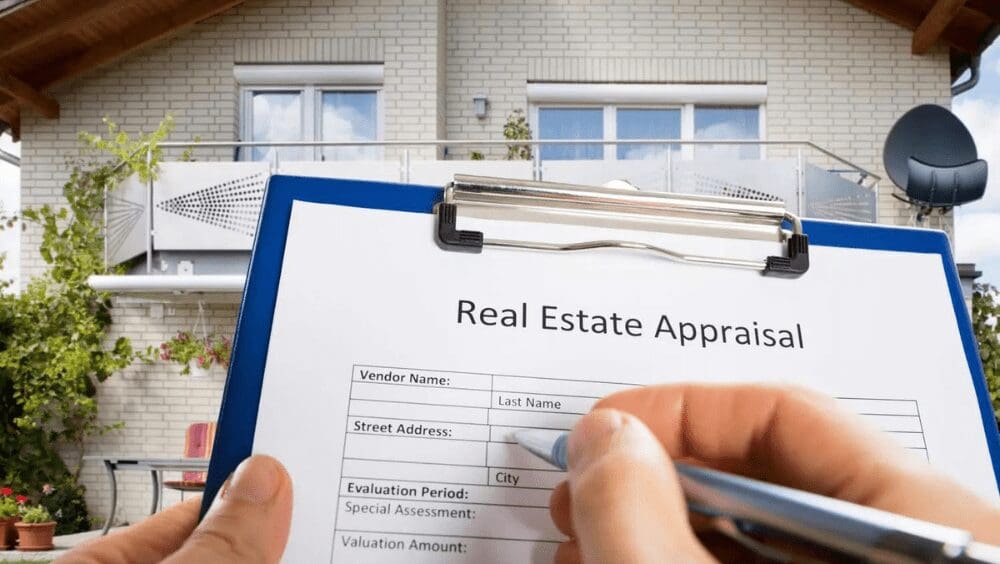
Even if a buyer is interested, lenders rely on appraisals to determine value. If the appraisal is lower than the asking price, it can delay or even derail the sale—another sign the property may be overpriced.
9. Strong Competition at Lower Prices
If there are similar homes available at more attractive price points, buyers are likely to choose better-value options. This leaves overpriced properties overlooked.
10. Feedback from Showings Is Consistently Negative
Agents and buyers often provide feedback after showings. If multiple people comment that the home is “too expensive,” it’s a clear signal the pricing doesn’t match expectations.
Final Thoughts
An overpriced property can lead to longer time on the market, reduced buyer interest, and ultimately a lower final sale price. For sellers, pricing strategically from the start is key to attracting serious buyers. For buyers, recognizing these signs can help you negotiate better deals or avoid costly mistakes.
Understanding the market, analyzing comparable sales, and staying objective are the best ways to ensure a property is priced right—and that you’re making a smart real estate decision.
--
Tina Jingru Sui 隋静儒
Associate Broker | Team Leader of TJS Team, Keller Williams
 Serving Metro Atlanta — Johns Creek, Alpharetta, Duluth, Suwanee, Buford, and beyond
 404-375-2120


 WeChat: tinasuirealty
 Follow me on Instagram / 小红书 / WeChat / Facebook