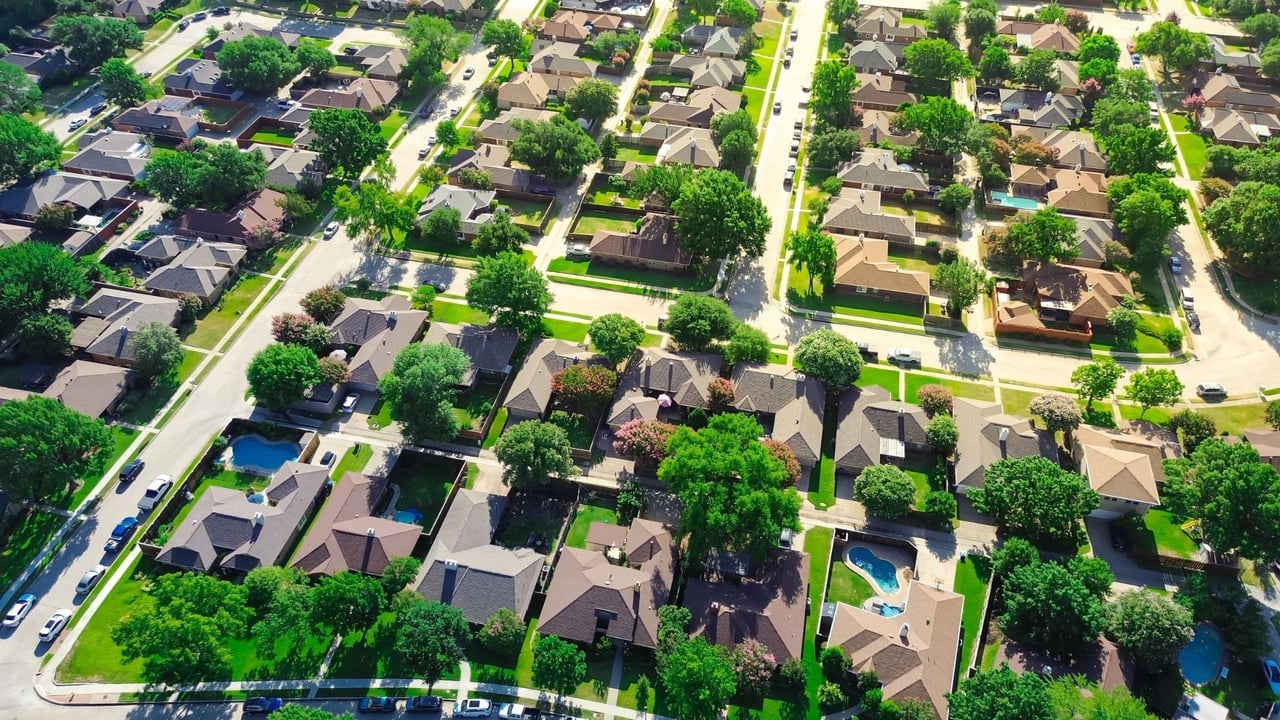
The Top Signs a Neighborhood Is Growing in Value
When buying a home or investing in real estate, location is one of the most important factors to consider. While a property itself matters, the surrounding neighborhood often plays a major role in determining long-term value and future appreciation.
Some neighborhoods experience steady growth over time due to economic development, infrastructure improvements, and increasing buyer demand. Recognizing the early signs of a growing area can help buyers make smarter real estate decisions and potentially build stronger long-term equity.
Here are some of the top signs a neighborhood may be increasing in value.
New Businesses and Development
One of the clearest signs of neighborhood growth is new commercial development.
Examples include:
- Restaurants and cafes
- Grocery stores
- Retail centers
- Fitness studios
- Office spaces
- Entertainment venues
When businesses invest in an area, it often signals confidence in future population growth and local demand. New development can increase convenience, attract residents, and improve overall property values.
Rising Home Prices and Demand
Steady increases in home prices and buyer activity often indicate a growing neighborhood.
Signs may include:
- Homes selling quickly
- Multiple offers on properties
- Increased listing prices
- Reduced inventory
- Rising rental demand
While short-term spikes can happen, consistent long-term demand is often a stronger indicator of sustainable growth.
Renovations and Property Improvements
Neighborhoods experiencing growth often show visible signs of reinvestment.
You may notice:
- Home remodels and additions
- Exterior improvements
- Updated landscaping
- New construction homes
- Improved apartment complexes
When homeowners and investors spend money improving properties, it can contribute to stronger neighborhood appeal and rising values.
Infrastructure Improvements
Government or city investments in infrastructure can significantly impact neighborhood growth.
Examples include:
- Road improvements
- Public transportation expansion
- Sidewalk and park upgrades
- Utility improvements
- Bike lanes and walking trails
Improved infrastructure often makes neighborhoods more accessible and attractive to future residents.
Increasing Population Growth
An increase in population can drive demand for housing, businesses, and community services.
Growing neighborhoods may attract:
- Young professionals
- Families
- Remote workers
- Retirees
- New businesses and employers
Population growth often supports stronger local economies and increased housing demand over time.
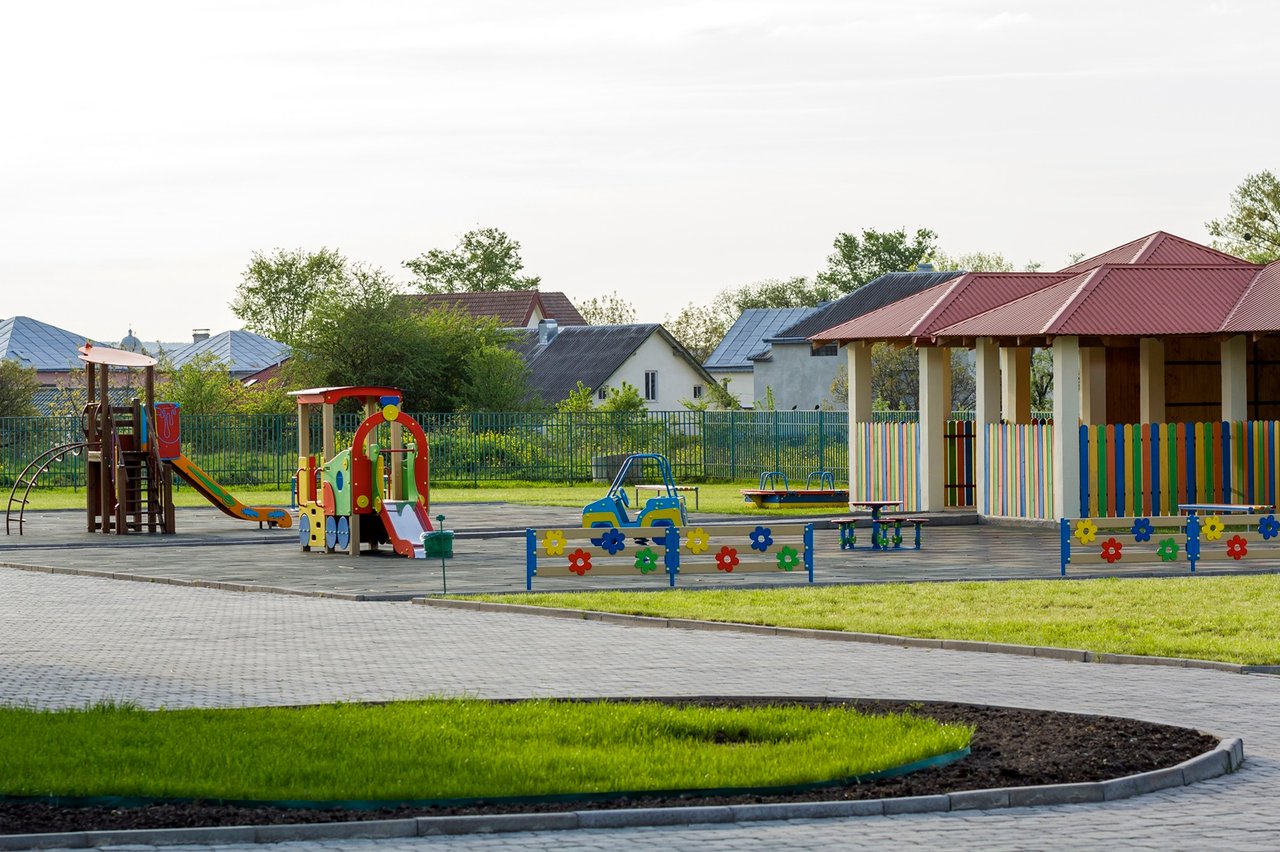
Better Schools and Educational Investment
School quality is a major factor for many buyers, especially families.
Signs of educational improvement may include:
- New school construction
- School renovations
- Improving academic ratings
- Expanded programs and facilities
Strong schools often contribute to higher property values and increased buyer interest.
Lower Vacancy Rates
Low vacancy rates can indicate strong housing demand and neighborhood stability.
In growing areas:
- Rental units may fill quickly
- Homes spend less time on the market
- Investors may become more active
High occupancy levels often reflect confidence in the neighborhood’s future.
Increased Community Activity
A growing neighborhood often develops a stronger sense of community and local identity.
You may notice:
- Farmers markets
- Community events
- Local festivals
- Outdoor gatherings
- Increased pedestrian activity
Active communities can make neighborhoods more desirable and attractive to future buyers.
Improved Safety and Cleanliness
Neighborhoods that show visible improvements in cleanliness and safety often become more appealing to buyers and investors.
Positive signs may include:
- Better-maintained public spaces
- Reduced vacant properties
- Increased lighting
- Community beautification efforts
- Stronger neighborhood engagement
Perception of safety can strongly influence property demand and appreciation.
Job Growth Nearby
Access to employment opportunities is a major factor in real estate growth.
Neighborhoods near:
- Expanding business districts
- Corporate offices
- Healthcare centers
- Technology hubs
- Industrial development
often experience increased housing demand as workers seek nearby housing options.
Public and Private Investment
When both public agencies and private investors begin investing heavily in an area, it may signal future growth potential.
Examples include:
- Mixed-use developments
- New apartment communities
- Revitalization projects
- Public parks and recreation investments
Large-scale investment can reshape neighborhoods over time and increase long-term desirability.
Improved Transportation Access
Easy access to highways, transit systems, and commuting routes can increase neighborhood demand.
Convenient transportation options may include:
- Train stations
- Bus routes
- Highway access
- Airport proximity
- Walkability improvements
Improved connectivity often attracts both residents and businesses.
Final Thoughts
Recognizing the signs of a neighborhood growing in value can help buyers and investors make more informed real estate decisions. Factors such as new development, rising demand, infrastructure improvements, and community investment often indicate strong long-term potential.
While no market is guaranteed, understanding these trends can help you identify neighborhoods that may offer future appreciation, stronger resale opportunities, and a better overall investment experience.
--
Tina Jingru Sui 隋静儒
Associate Broker | Team Leader of TJS Team, Keller Williams
 Serving Metro Atlanta — Johns Creek, Alpharetta, Duluth, Suwanee, Buford, and beyond
 404-375-2120


 WeChat: tinasuirealty
 Follow me on Instagram / 小红书 / WeChat / Facebook