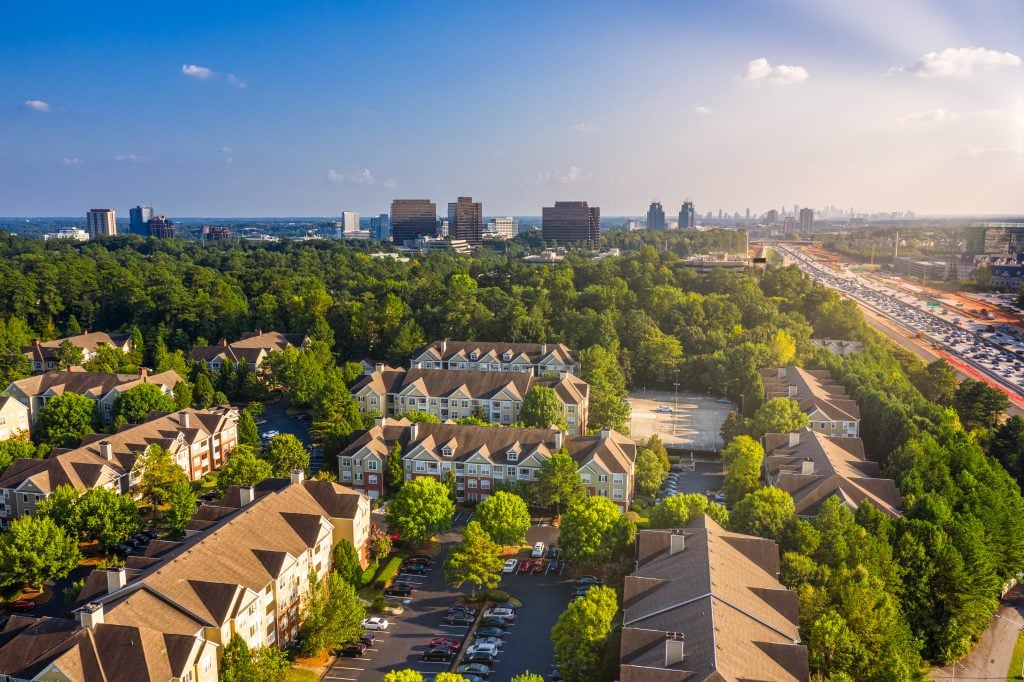
The Truth About “Hot” Neighborhoods
It’s easy to get caught up in the hype of a “hot” neighborhood. Instagram photos, real estate listings, and word-of-mouth can make an area seem like the perfect place to buy. But is it really as ideal as it looks? Let’s explore what makes a neighborhood truly valuable—and what buyers often overlook.
1. What Makes a Neighborhood “Hot”?
A neighborhood is usually labeled “hot” for a few reasons:
-
Rising home prices – High demand pushes prices up quickly.
-
Popularity among buyers – Families, young professionals, or investors flock to the area.
-
Amenities and lifestyle – Parks, restaurants, schools, and shopping contribute to appeal.
-
Future development – Planned projects or revitalization efforts can make areas more desirable.
While these factors are appealing, they don’t always tell the full story.
2. Popularity Doesn’t Always Equal Value
Just because a neighborhood is trending doesn’t mean every home there is a good investment. Buyers should consider:
-
Affordability vs. market risk – Hot areas can come with premium prices that may not match future appreciation.
-
Neighborhood saturation – Too many similar homes on the market can slow growth.
-
Lifestyle fit – Trendy areas may not meet your family’s needs long-term, from commute to school options.
Remember: buyer demand drives hype, not always long-term value.
3. Look Beyond the Listings
Before buying in a hot neighborhood, go deeper than photos and listings:
-
Visit multiple times – Daytime vs. evening, weekdays vs. weekends. Observe traffic, noise, and community vibe.
-
Talk to locals – Residents often provide insight that listings can’t.
-
Check local trends – Crime rates, school ratings, and city development plans impact long-term desirability.
-
Compare homes – Ensure the price aligns with what comparable properties actually sell for, not just the listing price.
4. Potential Risks of Hot Neighborhoods
Buying solely because a neighborhood is trendy can backfire:
-
Overpaying – Premiums driven by hype may not reflect real value.
-
Limited inventory – Fierce competition can make it hard to negotiate.
-
Market fluctuations – Trends can fade; what’s hot today may plateau tomorrow.
By understanding the risks, buyers can make smarter, strategic decisions rather than following the crowd.
5. How to Identify True Value
Instead of chasing hype, focus on sustainable factors:
-
Quality of local schools – Always affects long-term resale value.
-
Walkability and amenities – Parks, grocery stores, and transit matter for daily living.
-
Community engagement – Strong neighborhood associations, events, and culture indicate a lasting sense of community.
-
Future development plans – New infrastructure, shopping, or offices can increase property value.
A truly valuable neighborhood balances popularity with long-term growth potential and livability.
Final Thoughts
“Hot” neighborhoods are exciting, but popularity alone isn’t a guarantee of value. The best decisions come from research, local knowledge, and expert guidance. By looking beyond the hype, buyers can find a neighborhood that fits their lifestyle and offers sustainable growth for years to come.
--
Tina Jingru Sui 隋静儒
Associate Broker | Team Leader of TJS Team, Keller Williams
 Serving Metro Atlanta — Johns Creek, Alpharetta, Duluth, Suwanee, Buford, and beyond
 404-375-2120


 WeChat: tinasuirealty
 Follow me on Instagram / 小红书 / WeChat / Facebook