What an Open House Can (and Can’t) Tell You
Open houses are often a buyer’s first in-person experience with a home. They’re convenient, low-pressure, and a great way to explore multiple properties quickly. But while open houses can offer useful insights, they also have clear limitations. Knowing what an open house can—and can’t—tell you helps buyers make smarter decisions.
What an Open House Can Tell You
1. First Impressions and Flow
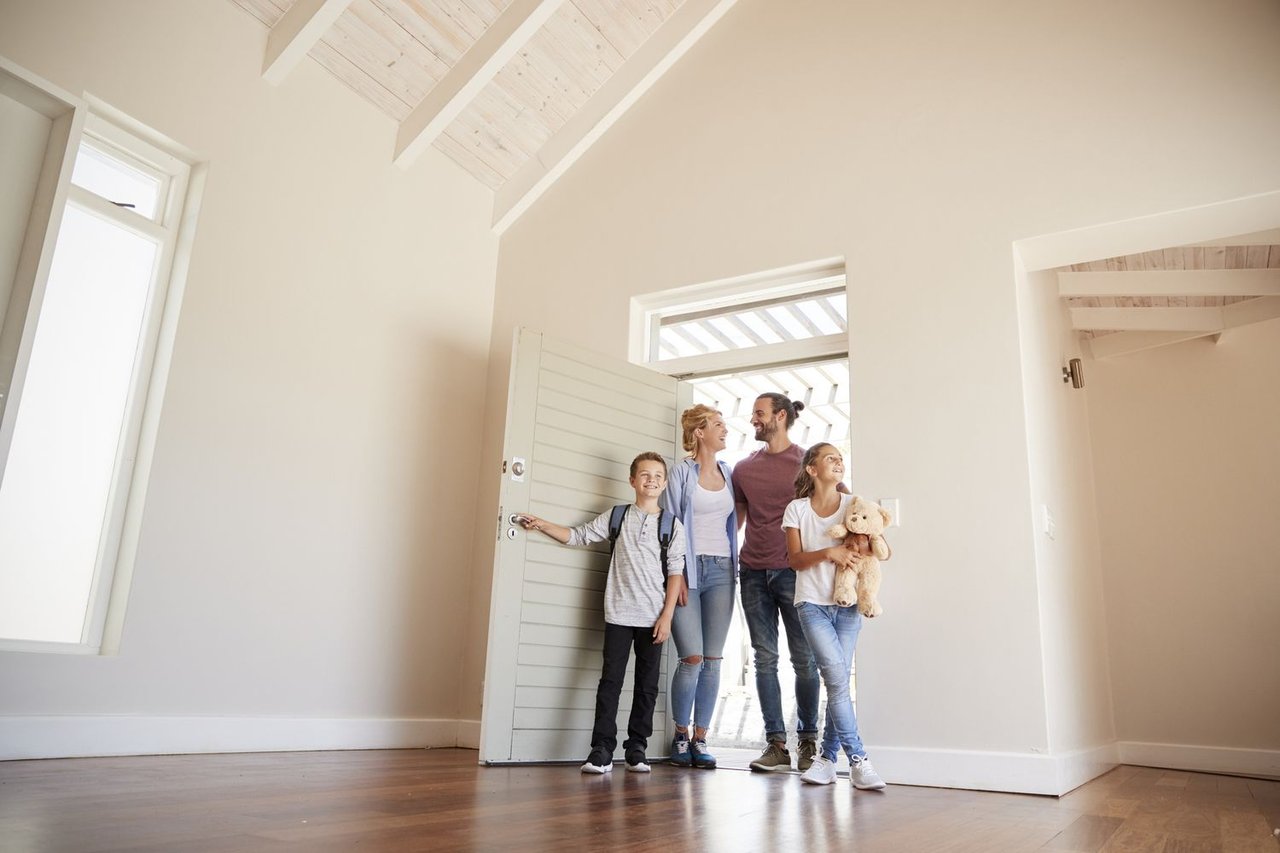
An open house allows you to experience the home’s layout, room sizes, and natural light. You can quickly tell whether the space feels cramped, bright, or comfortable—and whether the layout supports your daily routine.
2. General Condition
While it’s not a full inspection, you can spot visible wear: flooring condition, wall cracks, outdated finishes, or signs of poor maintenance. These clues often reveal how well the home has been cared for.
3. Noise and Surroundings (In the Moment)
You may notice traffic noise, nearby activity, or neighborhood vibes during that specific time of day. This can be helpful—but it’s only a snapshot, not the full picture.
4. Market Interest
A crowded open house may signal strong buyer demand. Multiple visitors, overlapping showing times, or frequent questions can indicate how competitive the property may be.
What an Open House Can’t Tell You
1. Structural and System Issues
Major systems—roof, foundation, plumbing, electrical, HVAC—can’t be evaluated at an open house. Serious problems are often hidden behind walls or masked by staging.
2. How the Home Lives Day to Day
An open house doesn’t show weekday traffic, school noise, evening activity, or how the home feels during bad weather. These daily realities matter far more than a staged showing.
3. True Neighborhood Patterns
You won’t learn about parking challenges, HOA dynamics, neighbor habits, or future development plans during a brief visit.
4. Whether the Price Is Right
A beautiful presentation can distract from overpricing. An open house shows how a home looks—not whether the price aligns with market value.
Why Staging Can Be Misleading
Open houses are designed to highlight a home’s best features. Furniture placement, lighting, and scent can influence emotions and make spaces feel larger or more inviting than they truly are. This doesn’t mean staging is dishonest—but it does mean buyers should stay analytical.
How to Use Open Houses Wisely
Treat open houses as a screening tool, not a final decision-maker:
-
Visit at different times of day if interested
-
Compare the home to recent sales, not just active listings
-
Ask targeted questions, but verify answers independently
-
Schedule a private showing for deeper evaluation
Final Thoughts
Open houses are excellent for forming first impressions, understanding layout, and gauging interest—but they don’t replace research, inspections, or thoughtful analysis. Smart buyers enjoy the open house experience while remembering its limits. The real decision happens after the excitement fades and the facts come into focus.
--
Tina Jingru Sui 隋静儒
Associate Broker | Team Leader of TJS Team, Keller Williams
 Serving Metro Atlanta — Johns Creek, Alpharetta, Duluth, Suwanee, Buford, and beyond
 404-375-2120


 WeChat: tinasuirealty
 Follow me on Instagram / 小红书 / WeChat / Facebook