What Buyers Need to Know About Flood Zones, Insurance, and Natural Risks in Georgia
Buying a home in Georgia offers incredible opportunities—from charming neighborhoods to beautiful landscapes. But the state’s diverse geography also brings potential natural risks, including floods, storms, and other hazards. Understanding flood zones, insurance requirements, and how to mitigate risks is essential for any informed homebuyer.
Understanding Flood Zones
Flood zones are areas defined by the Federal Emergency Management Agency (FEMA) based on their risk of flooding. Homes in certain zones may face higher risks and insurance requirements:
-
High-Risk Flood Zones (Special Flood Hazard Areas, SFHAs):
-
Homes here have a 1% or greater annual chance of flooding.
-
Lenders typically require flood insurance if you have a mortgage.
-
-
Moderate to Low-Risk Zones:
-
Lower risk, but flooding can still occur.
-
Flood insurance is optional but recommended in some areas.
-
Tip: Always review the FEMA flood map for any property you’re considering.
Flood Insurance Basics
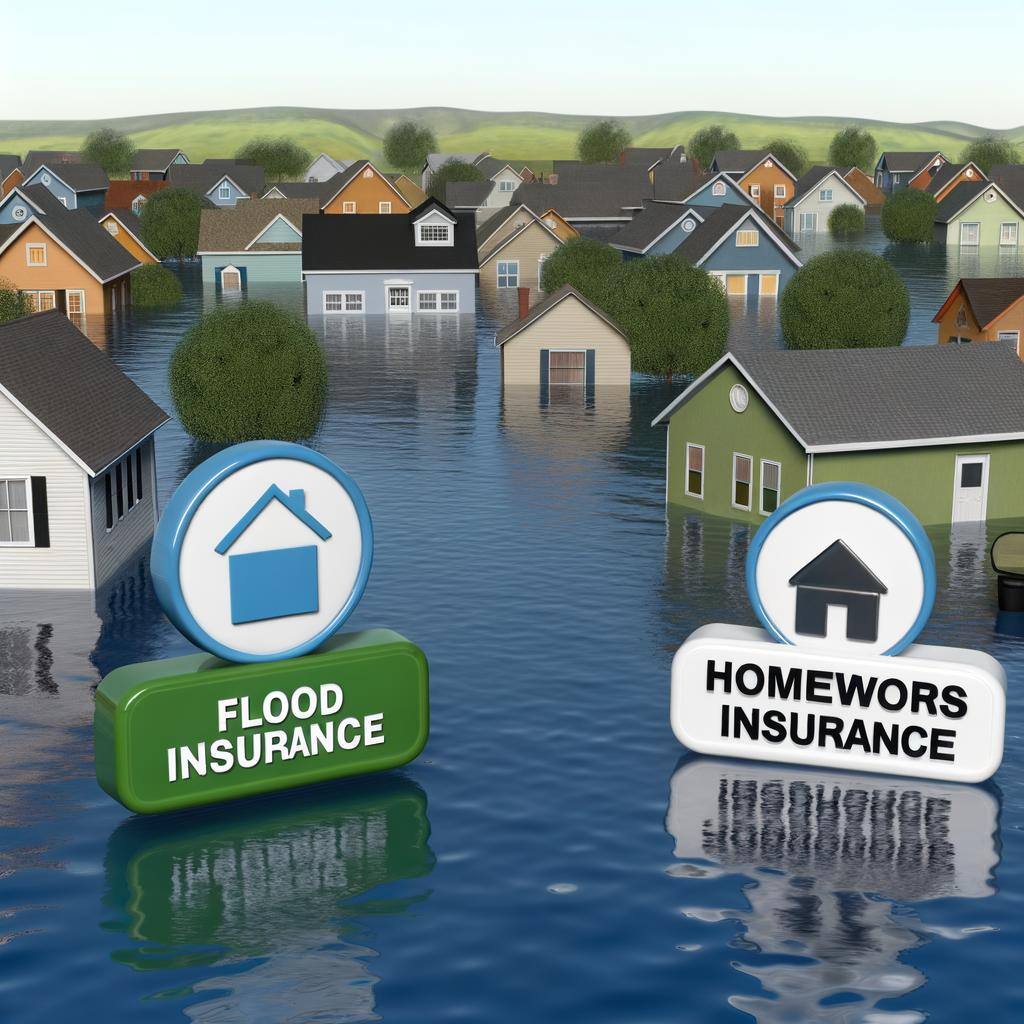
1. Standard Homeowner’s Insurance Doesn’t Cover Floods
Many buyers assume their policy covers all water damage, but floods are usually excluded.
2. National Flood Insurance Program (NFIP)
This federal program provides coverage for homes in high-risk zones and is often required by lenders.
3. Private Flood Insurance Options
Some private companies offer more flexible policies, sometimes with higher coverage limits or lower rates.
4. Cost Factors
Flood insurance premiums depend on:
-
Property location and flood zone
-
Home elevation and foundation type
-
Proximity to bodies of water
-
Past flood history
Other Natural Risks in Georgia
1. Hurricanes and Tropical Storms
-
Coastal and southern Georgia are more vulnerable.
-
Wind-resistant construction and storm prep can reduce damage risk.
2. Tornadoes
-
Northern Georgia sees more tornado activity.
-
Consider reinforced structures and emergency planning.
3. Earthquakes
-
Georgia has low seismic risk, but minor tremors are possible in some regions.
4. Wildfires
-
Especially in rural and forested areas, fire-resistant landscaping and insurance can protect property.
Tips for Buyers
-
Check FEMA and Local Maps – Confirm flood zone, stormwater risks, and historical flooding.
-
Budget for Insurance – Factor flood, wind, and hazard insurance into monthly costs.
-
Inspect Elevation & Drainage – Homes on higher ground or with proper drainage are safer.
-
Ask About Mitigation Measures – Levees, retention ponds, and community planning can reduce risk.
-
Plan for Emergencies – Know evacuation routes and local emergency services.
Final Thoughts
Buying a home in Georgia means enjoying its beauty—but smart buyers also understand the risks. Reviewing flood zones, obtaining proper insurance, and planning for natural hazards ensures you protect your investment, your safety, and your peace of mind.
Tina Jingru Sui 隋静儒
Associate Broker | Team Leader of TJS Team, Keller Williams
 Serving Metro Atlanta — Johns Creek, Alpharetta, Duluth, Suwanee, Buford, and beyond
 404-375-2120


 WeChat: tinasuirealty
 Follow me on Instagram / 小红书 / WeChat / Facebook