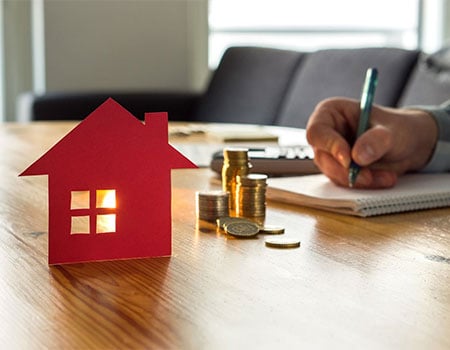
What Buyers Should Know About Earnest Money Deposits
When purchasing a home, buyers are often asked to provide an earnest money deposit shortly after their offer is accepted. For many first-time buyers, this may be an unfamiliar part of the process. However, earnest money plays an important role in demonstrating a buyer’s commitment and helping move a real estate transaction forward.
Understanding how earnest money deposits work can help buyers navigate the home-buying process with greater confidence and avoid unexpected issues along the way.
What Is Earnest Money?
Earnest money is a deposit made by a buyer after a seller accepts their offer on a home.
The deposit serves as:
- A sign of good faith
- Evidence that the buyer is serious about purchasing the property
- Financial reassurance for the seller
In essence, earnest money shows that the buyer intends to follow through with the transaction.
Why Earnest Money Is Important
When a seller accepts an offer, they typically remove the property from the market and stop considering other potential buyers.
The earnest money deposit helps compensate the seller for the time and opportunity they may lose if the buyer backs out without a valid contractual reason.
This creates a level of trust between both parties during the transaction.
How Much Earnest Money Is Typically Required?
The amount varies depending on:
- Local market conditions
- Purchase price
- Seller expectations
- Competition among buyers
In highly competitive markets, buyers may offer larger earnest money deposits to strengthen their offers.
Your real estate agent can help determine what is customary in your area.
Where Is the Earnest Money Held?
Earnest money is generally not given directly to the seller.
Instead, it is usually held in a secure escrow or trust account managed by a neutral third party, such as:
- A title company
- An escrow company
- A real estate brokerage
- An attorney, depending on local practices
The funds remain there until closing or until the contract is terminated according to its terms.
Is Earnest Money Part of the Down Payment?
Yes, in most cases.
If the transaction closes successfully, the earnest money deposit is typically credited toward:
- The buyer's down payment
- Closing costs
- Other amounts due at settlement
It is not an additional fee but rather part of the funds used to purchase the home.
When Can Buyers Get Their Earnest Money Back?
Many purchase agreements include contingencies that protect buyers under certain circumstances.
Common contingencies include:
Financing Contingency
If the buyer cannot obtain mortgage approval despite making a good-faith effort, they may be entitled to a refund.
Home Inspection Contingency
If significant issues are discovered during the inspection and the parties cannot reach an agreement, the buyer may be able to withdraw and recover the deposit.
Appraisal Contingency
If the property appraises for less than the agreed purchase price and contract terms allow, the buyer may receive the earnest money back.
The specific conditions depend on the purchase agreement.
When Could a Buyer Lose Earnest Money?
Buyers may risk losing their deposit if they fail to meet contract obligations without a protected reason.
Examples may include:
- Missing important deadlines
- Backing out for reasons not covered by contingencies
- Failing to complete agreed-upon requirements
- Breaching the purchase contract
This is why it is important to understand all contract terms before signing.
How Earnest Money Can Strengthen an Offer
A strong earnest money deposit may help make an offer more attractive to a seller.
A larger deposit can signal:
- Serious intent
- Financial preparedness
- Confidence in completing the purchase
However, buyers should only offer an amount they are comfortable committing under the terms of the contract.
Understand Contract Deadlines
Protecting your earnest money often depends on meeting contract deadlines.
Important deadlines may include:
- Inspection periods
- Financing approval dates
- Appraisal deadlines
- Contingency removal dates
Missing a deadline could affect your contractual protections.
Keep Documentation Organized
Throughout the transaction, maintain records of:
- Deposit receipts
- Escrow confirmations
- Contract amendments
- Contingency notices
Good recordkeeping can help avoid misunderstandings if questions arise later.
Work Closely With Your Real Estate Team
Your real estate agent, lender, and closing professionals can help you understand:
- Local earnest money practices
- Contract requirements
- Important deadlines
- Potential risks
Professional guidance can help ensure your deposit remains protected when appropriate.
Earnest Money vs. Down Payment
These two terms are sometimes confused.
Earnest Money
- Submitted shortly after offer acceptance
- Demonstrates commitment
- Held in escrow
Down Payment
- Paid at closing
- Represents a portion of the home's purchase price
- Helps determine loan amount
While earnest money often becomes part of the down payment, they are not the same thing.
Tips for Buyers
To help protect your earnest money deposit:
- Read the contract carefully
- Understand all contingencies
- Meet every deadline
- Maintain communication with your agent
- Keep copies of important documents
- Ask questions whenever something is unclear
Being proactive can help prevent costly mistakes.
Final Thoughts
Earnest money deposits are an important part of the home-buying process because they demonstrate a buyer’s commitment and provide reassurance to sellers. While the deposit is typically applied toward the purchase at closing, buyers should fully understand the conditions under which the funds may be refunded—or potentially forfeited.
By understanding your contract, meeting deadlines, and working with experienced real estate professionals, you can navigate the earnest money process confidently and move one step closer to successful homeownership.
--
Tina Jingru Sui 隋静儒
Associate Broker | Team Leader of TJS Team, Keller Williams
 Serving Metro Atlanta — Johns Creek, Alpharetta, Duluth, Suwanee, Buford, and beyond
 404-375-2120


 WeChat: tinasuirealty
 Follow me on Instagram / 小红书 / WeChat / Facebook