What Buyers Should Know About Home Appreciation
For many people, buying a home is more than just finding a place to live—it’s also one of the largest financial investments they will ever make. One of the key factors that can influence the long-term value of that investment is home appreciation. Understanding how appreciation works can help buyers make smarter purchasing decisions and set realistic expectations for the future.
Here’s what every buyer should know about home appreciation.
What Is Home Appreciation?
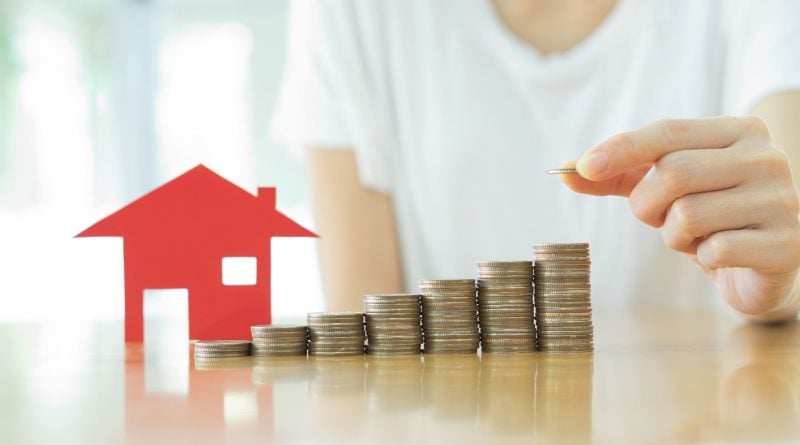
Home appreciation refers to the increase in a property's value over time.
For example:
- You purchase a home for $350,000.
- Several years later, the home's market value rises to $425,000.
The difference between the original purchase price and the current market value is known as appreciation.
While appreciation is never guaranteed, it has historically played an important role in long-term homeownership.
Why Home Appreciation Matters
Appreciation can help homeowners build wealth over time.
Potential benefits include:
- Increased home equity
- Greater financial flexibility
- Higher resale value
- Improved borrowing opportunities through home equity loans or lines of credit
For many homeowners, appreciation becomes a significant contributor to long-term financial growth.
Location Plays a Major Role
One of the biggest factors affecting appreciation is location.
Homes often appreciate more strongly when they are located near:
- Highly rated schools
- Employment centers
- Shopping and dining options
- Public transportation
- Parks and recreational amenities
As demand for an area increases, property values may rise as well.
Supply and Demand Influence Home Values
Real estate markets are heavily driven by supply and demand.
When:
- Buyer demand is high
- Housing inventory is limited
Home values often increase.
Conversely, when there are more homes available than buyers, appreciation may slow or temporarily decline.
Neighborhood Growth Can Boost Appreciation
Community improvements can positively impact property values.
Examples include:
- New schools
- Infrastructure projects
- Retail developments
- Parks and public spaces
- Major employers moving into the area
These developments often make neighborhoods more desirable to future buyers.
Property Condition Matters
Well-maintained homes tend to appreciate better than neglected properties.
Regular maintenance can help protect value by:
- Preventing costly repairs
- Preserving curb appeal
- Maintaining functionality
- Improving buyer perception
A home's condition remains an important factor when it comes time to sell.
Home Improvements Can Add Value
Strategic upgrades may contribute to appreciation.
Popular improvements include:
- Kitchen updates
- Bathroom renovations
- Energy-efficient upgrades
- Outdoor living enhancements
- Additional living space
However, not all renovations produce the same return on investment, so thoughtful planning is important.
Economic Conditions Affect Appreciation
Broader economic factors can influence housing markets.
These include:
- Interest rates
- Employment levels
- Population growth
- Consumer confidence
- Inflation
Strong economic conditions often support housing demand and property value growth.
Appreciation Is Typically a Long-Term Process
Many buyers expect immediate increases in value, but appreciation generally occurs over time.
Real estate markets can experience:
- Periods of growth
- Periods of stability
- Temporary market corrections
Buying with a long-term perspective is usually more beneficial than focusing on short-term fluctuations.
Appreciation Varies by Market
Not all markets appreciate at the same rate.
Factors that influence local appreciation include:
- Regional job growth
- Population trends
- New construction activity
- Local economic conditions
Researching local market trends can help buyers make informed decisions.
Equity and Appreciation Are Related
Although they are connected, equity and appreciation are not the same.
Equity
The portion of the home you own based on mortgage repayment and value.
Appreciation
The increase in the home's market value over time.
As appreciation occurs, your equity may increase even if you haven't made additional payments toward the principal.
Avoid Buying Based Solely on Appreciation Expectations
While appreciation can be a valuable benefit, buyers should avoid purchasing a home solely because they expect rapid value growth.
Instead, focus on:
- Affordability
- Location
- Lifestyle needs
- Long-term suitability
A home should first meet your personal and financial goals.
How Buyers Can Improve Their Chances of Appreciation
While no one can predict the future, buyers can look for indicators that may support long-term value growth.
Consider properties in areas with:
- Strong job markets
- Population growth
- Quality schools
- Planned infrastructure improvements
- Limited housing supply
These factors often contribute to sustained demand.
Work With a Knowledgeable Real Estate Professional
A local real estate agent can provide valuable insight into:
- Market trends
- Neighborhood development
- Historical appreciation patterns
- Future growth potential
Their expertise can help buyers identify opportunities that align with their goals.
Final Thoughts
Home appreciation is one of the most important financial benefits of homeownership. While it cannot be guaranteed, factors such as location, market demand, property condition, and economic growth can all influence how a home's value changes over time.
For buyers, the key is to think long-term. By choosing a home that meets your needs, is located in a desirable area, and has strong market fundamentals, you can position yourself to potentially benefit from appreciation while enjoying the many advantages of homeownership.
--
Tina Jingru Sui 隋静儒
Associate Broker | Team Leader of TJS Team, Keller Williams
 Serving Metro Atlanta — Johns Creek, Alpharetta, Duluth, Suwanee, Buford, and beyond
 404-375-2120


 WeChat: tinasuirealty
 Follow me on Instagram / 小红书 / WeChat / Facebook