What Buyers Should Know About Property Taxes
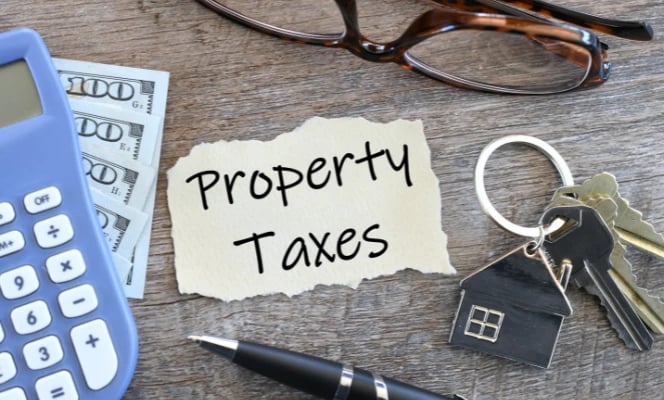
When buying a home, most buyers focus on price, interest rates, and monthly mortgage payments—but property taxes are just as important. They can significantly affect your long-term affordability and overall housing cost.
If you’re considering a home in Atlanta, understanding how property taxes work will help you avoid surprises after closing.
1. What Property Taxes Actually Are
Property taxes are annual taxes paid to local governments based on the assessed value of your home.
They are used to fund:
- Public schools
- Police and fire services
- Road maintenance
- Local infrastructure
In simple terms: the higher your home’s assessed value, the higher your taxes.
2. Property Taxes Are Not the Same Everywhere
Even within the same city, taxes can vary.
- Different counties have different rates
- School districts impact tax amounts
- Local levies and bonds may apply
For example, homes in Alpharetta may have different tax structures compared to other parts of the metro area.
3. Your Tax Bill Is Based on Assessed Value
Many buyers confuse market value with assessed value.
- Market value = what a buyer is willing to pay
- Assessed value = value used by the tax authority
The assessed value may be lower or updated periodically, depending on local rules.
4. Taxes Can Increase Over Time
Property taxes are not fixed forever.
- Home value increases can raise taxes
- Local government budgets may change rates
- New school or infrastructure funding can add costs
This means your monthly housing cost can rise even if your mortgage stays the same.
5. Don’t Forget Homestead Exemptions
Many homeowners qualify for tax reductions.
- Primary residence exemptions
- Age or disability-related reductions
- State-specific benefits
These can significantly lower your annual tax bill if you qualify.
6. Always Check Taxes Before Making an Offer
Property taxes should be part of your budget calculation.
- Ask for the current tax amount
- Estimate future increases
- Include taxes in monthly affordability planning
In competitive markets like Atlanta, overlooking taxes can lead to overestimating your budget.
7. Taxes Affect Resale Value and Demand
Buyers often consider taxes when choosing a home.
- High taxes can reduce buyer interest
- Lower taxes can improve affordability and demand
- Tax differences can affect neighborhood competitiveness
In areas like Johns Creek, tax levels can influence long-term buyer demand and resale speed.
8. Escrow Accounts Make Payments Easier
Most lenders collect taxes monthly through escrow.
- Taxes are bundled into your mortgage payment
- Lender pays the tax bill on your behalf
- Helps avoid large annual payments
This makes budgeting more predictable.
9. Unexpected Tax Increases After Purchase
Some buyers experience “tax reassessment surprises.”
- New purchase price resets tax basis
- Renovations may increase assessed value
- Local reassessments can adjust bills
Always ask your agent or lender to estimate post-purchase taxes.
10. Work With Local Experts
Tax structures vary widely, so local knowledge matters.
- Real estate agents can estimate accurate tax costs
- Lenders can include taxes in loan estimates
- County websites provide official data
In Atlanta, tax differences between neighborhoods can be significant, making expert guidance valuable.
Final Thoughts
Property taxes are a key part of the true cost of homeownership—not just an afterthought.
Before buying, make sure you:
- Understand how taxes are calculated
- Include them in your monthly budget
- Check for exemptions and future increases
- Compare tax differences between neighborhoods
Because in real estate,
the true cost of a home is not just the purchase price—it’s everything you pay to own it long-term.
--
Tina Jingru Sui 隋静儒
Associate Broker | Team Leader of TJS Team, Keller Williams
 Serving Metro Atlanta — Johns Creek, Alpharetta, Duluth, Suwanee, Buford, and beyond
 404-375-2120


 WeChat: tinasuirealty
 Follow me on Instagram / 小红书 / WeChat / Facebook