What Every Buyer Should Know About Contingencies
Buying a home involves more than agreeing on a price. One of the most important parts of any purchase contract is the contingency—a set of conditions that must be met for the deal to move forward.
Understanding contingencies helps buyers protect themselves while still staying competitive. In active markets like Atlanta, knowing how to use them correctly can make or break your offer.
What Are Contingencies?
Contingencies are safety conditions built into a real estate contract. They allow a buyer to back out or renegotiate if certain requirements are not met.
They protect buyers from unexpected risks during the transaction.
The Most Common Types of Contingencies
1. Financing Contingency
This ensures the buyer can secure a mortgage.
- Protects against loan denial
- Allows time for final approval
- Common in most financed purchases
Without it, buyers risk losing their deposit if financing fails.
2. Inspection Contingency
This allows buyers to evaluate the home’s condition.
- Covers structural or mechanical issues
- Allows negotiation for repairs or credits
- Gives buyers time to assess risk
In markets like Atlanta, inspection outcomes often influence final negotiations.
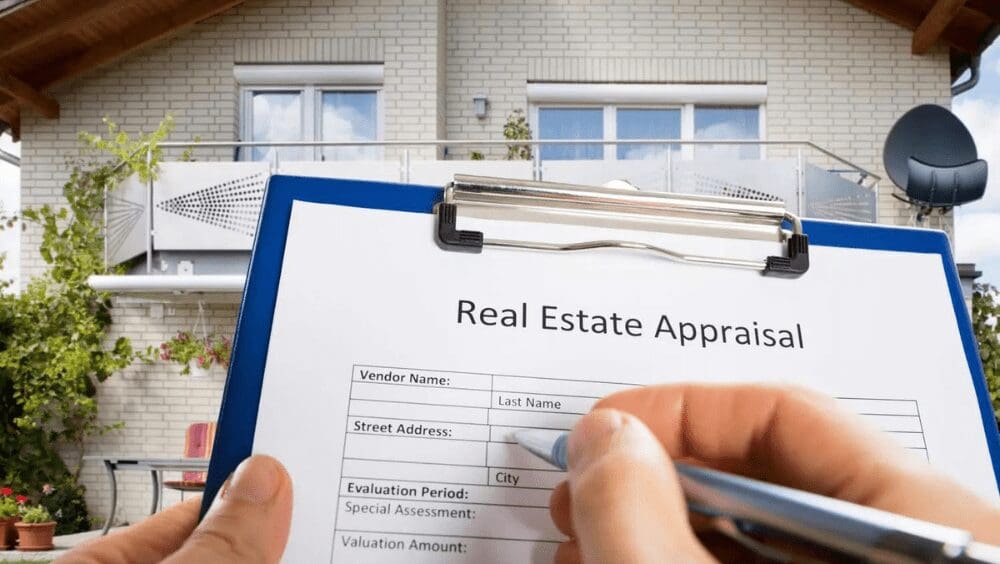
3. Appraisal Contingency
This ensures the home is valued at or above the contract price.
- Protects against overpaying
- Allows renegotiation if value is lower
- Required by most lenders
4. Home Sale Contingency
This applies when a buyer must sell their current home first.
- Reduces financial risk
- Can make offers less competitive
- Often avoided in competitive situations
Why Contingencies Matter
Contingencies protect buyers from:
- Overpaying
- Buying a home with hidden issues
- Losing financing unexpectedly
They provide a structured way to manage uncertainty.
The Trade-Off: Protection vs. Competitiveness
While contingencies offer protection, they can also affect your offer strength.
- Fewer contingencies = stronger offer
- More contingencies = safer but less competitive
In areas like Alpharetta and Johns Creek, sellers often prefer cleaner, simpler offers.
How Buyers Should Approach Contingencies
1. Don’t Remove Protection Without Understanding Risk
Every contingency exists for a reason.
2. Be Strategic, Not Overly Cautious
Use only the protections you truly need.
3. Understand the Market
In competitive markets, flexibility can improve your chances.
4. Work With Your Agent and Lender
Make informed decisions based on real data.
Common Mistakes Buyers Make
- Waiving contingencies too quickly
- Including unnecessary contingencies
- Not understanding contract timelines
- Underestimating repair or financing risks
These mistakes can lead to stress or financial loss.
When to Be More Flexible
You may consider reducing contingencies when:
- You are fully confident in financing
- The home is newly built or well-maintained
- You are in a competitive bidding situation
Even then, it should be a calculated decision.
Final Thoughts
Contingencies are not obstacles—they are tools that protect your investment. The key is using them wisely.
Focus on:
- Understanding each type of contingency
- Balancing protection with competitiveness
- Making decisions based on your comfort level
- Staying informed throughout the process
In markets like Atlanta, smart buyers know that the strongest offers are not just about price—they’re about structure and confidence.
--
Tina Jingru Sui 隋静儒
Associate Broker | Team Leader of TJS Team, Keller Williams
 Serving Metro Atlanta — Johns Creek, Alpharetta, Duluth, Suwanee, Buford, and beyond
 404-375-2120


 WeChat: tinasuirealty
 Follow me on Instagram / 小红书 / WeChat / Facebook