What Every Buyer Should Understand About Home Value
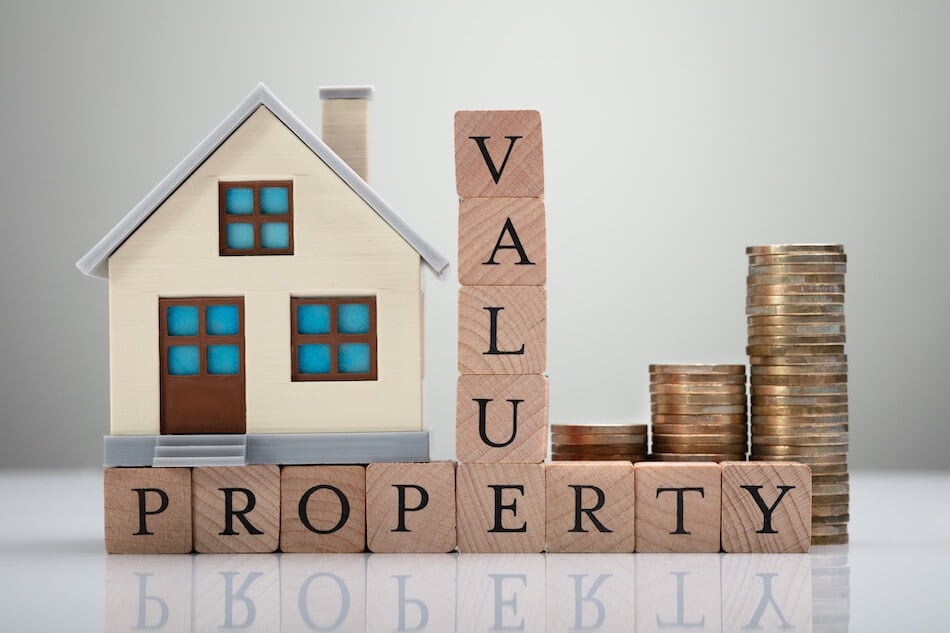
When buying a home, it’s easy to focus on the listing price—but true home value goes far beyond that number. Understanding what really drives value can help you make smarter decisions, avoid overpaying, and choose a property that holds or grows its worth over time.
In dynamic markets like Atlanta, buyers who understand value are better equipped to navigate competition and identify real opportunities.
Price vs. Value: Know the Difference
The listing price is what the seller is asking—value is what the home is truly worth.
- Price can be influenced by strategy or market conditions
- Value is based on location, condition, and demand
- A higher price doesn’t always mean better value
Smart buyers look beyond the number and evaluate the full picture.
Location Is the Foundation of Value
You can change a home—but not its location.
- Proximity to jobs, schools, and amenities
- Neighborhood safety and appeal
- Future development and growth
Areas like Alpharetta and Johns Creek often maintain strong value due to consistent demand.
Comparable Sales (Comps) Matter
Recent sales provide real market context.
- Look at similar homes sold nearby
- Compare size, condition, and features
- Analyze price per square foot
Comps help determine if a home is fairly priced.
Condition and Upgrades Impact Value
Not all homes are equal—even in the same neighborhood.
- Updated kitchens and bathrooms add value
- Well-maintained systems reduce future costs
- Poor condition can lower true value
A cheaper home may cost more if major repairs are needed.
Market Conditions Influence Value
Value shifts with the market.
- High demand can drive prices up
- Increased inventory can create more options
- Interest rates affect buyer purchasing power
In markets like Atlanta, timing can influence perceived value.
Future Appreciation Potential
Value isn’t just about today—it’s about tomorrow.
- Is the area growing?
- Are new developments planned?
- Is demand increasing?
Homes in growing areas often offer better long-term returns.
Layout and Functionality
How a home works affects its value.
- Efficient floor plans
- Adequate storage and usable space
- Flexibility for changing needs
Functionality can make a home more desirable to future buyers.
Total Cost of Ownership
Value includes ongoing expenses.
- Property taxes and insurance
- Maintenance and utilities
- HOA fees (if applicable)
A home’s affordability over time impacts its true value.
Emotional Value vs. Financial Value
Buyers often connect emotionally—but balance is key.
- Loving a home is important
- Overpaying due to emotion can be risky
- Combine emotional appeal with financial logic
In competitive markets like Atlanta, this balance is essential.
Work With Knowledgeable Professionals
Expert insight helps clarify value.
- Agents provide market data and analysis
- Inspectors identify hidden issues
- Lenders explain financial implications
A strong team helps you make informed decisions.
Final Thoughts
Understanding home value is one of the most important skills a buyer can develop. It allows you to see beyond the surface and make decisions that support both your lifestyle and financial goals.
Focus on:
- Location and market trends
- Property condition and features
- Comparable sales and pricing
- Long-term potential and costs
In markets like Atlanta, buyers who understand value don’t just find homes—they make smart investments.
--
Tina Jingru Sui 隋静儒
Associate Broker | Team Leader of TJS Team, Keller Williams
 Serving Metro Atlanta — Johns Creek, Alpharetta, Duluth, Suwanee, Buford, and beyond
 404-375-2120


 WeChat: tinasuirealty
 Follow me on Instagram / 小红书 / WeChat / Facebook