What Makes a Home Feel Expensive—Even When It’s Not
Have you ever walked into a home that wasn’t the highest-priced one on your list, yet somehow felt more “luxury” than the rest?
It happens all the time. And it’s rarely about the price tag.
A home’s feel is shaped by details that don’t always show up on a listing sheet—but they strongly influence how comfortable, functional, and valuable the home feels once you’re living in it.
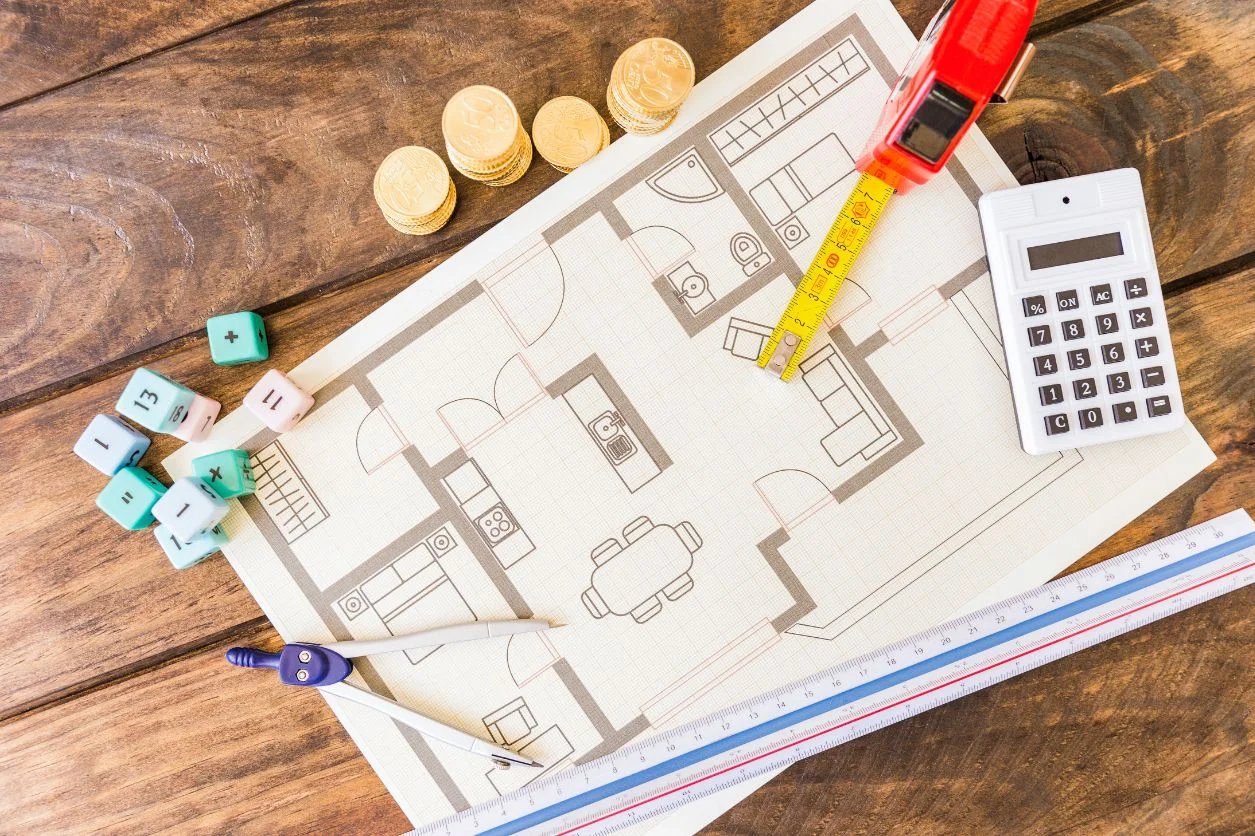
1. Layout Matters More Than Square Footage
Two homes can have the same square footage and feel completely different.
Open flow between the kitchen, dining, and living areas often makes a home feel larger and more expensive. On the other hand, long hallways, awkward room shapes, or chopped-up spaces can make even a big home feel cramped.
Usable space always feels better than extra space.
2. Natural Light Changes Everything
Light is one of the biggest drivers of how a home feels.
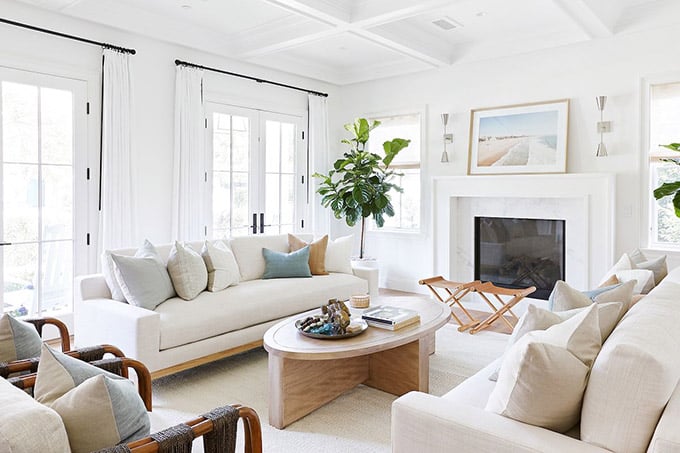
Homes with large windows, good orientation, and consistent daylight instantly feel more welcoming and high-end. Dark rooms—even with nice finishes—tend to feel smaller and less comfortable.
Natural light isn’t just aesthetic; it impacts mood, energy, and how the space is experienced daily.
3. Ceiling Height and Proportion
Higher ceilings don’t just add inches—they add air.
Even modest homes feel more expensive with 9- or 10-foot ceilings, tray ceilings, or vaulted spaces. What matters most is proportion: rooms that feel balanced and open instead of boxed in.
Good proportions make a home feel thoughtfully designed.
4. Flow and Function of Daily Living
A home feels expensive when it works with your routine, not against it.
-
Kitchen close to dining
-
Bedrooms separated from entertaining spaces
-
Laundry where it’s actually convenient
-
Storage where you need it
When daily tasks feel easy, the home feels elevated—regardless of finishes.
5. Consistency in Design
Homes that feel expensive usually have a cohesive look.
Matching flooring, consistent trim, and a clear design style create visual calm. When materials abruptly change from room to room, it can make a home feel disjointed—even if everything is new.
Consistency often matters more than brand-name upgrades.
6. Sound, Privacy, and Surroundings
Noise levels and privacy play a huge role in perceived value.
A quiet street, buffered backyard, or well-placed bedrooms can make a home feel like a retreat. Even beautiful interiors lose their appeal if road noise or close neighbors disrupt everyday life.
You can’t renovate peace and quiet.
7. Maintenance and Condition
Well-maintained homes feel expensive—even if they’re older.
Smooth doors, functioning windows, clean mechanical systems, and thoughtful upkeep signal quality. Buyers subconsciously associate good maintenance with higher value and lower stress.
Neglected details do the opposite.
Why This Matters When Buying
Buyers often focus on countertops, appliances, or staged furniture. But those details don’t always determine long-term satisfaction.
The homes that feel “worth it” are the ones that:
-
Support daily life
-
Feel comfortable and calm
-
Age well over time
-
Hold value more consistently
The goal isn’t to buy the most expensive home—it’s to buy the home that feels right for how you live.
Final Thought
A home doesn’t need luxury pricing to feel luxurious.
When layout, light, flow, and function come together, even a modestly priced home can feel elevated, comfortable, and timeless. Those are the qualities that make a home feel expensive—long after the excitement of moving in fades.
--
Tina Jingru Sui 隋静儒
Associate Broker | Team Leader of TJS Team, Keller Williams
 Serving Metro Atlanta — Johns Creek, Alpharetta, Duluth, Suwanee, Buford, and beyond
 404-375-2120


 WeChat: tinasuirealty
 Follow me on Instagram / 小红书 / WeChat / Facebook