What Makes a Neighborhood Feel Like Home?
When people talk about finding a “home,” they’re often not just referring to the house itself—but the neighborhood around it. A great neighborhood can shape your daily routine, comfort, sense of belonging, and even long-term happiness.
So what exactly makes a neighborhood feel like home? It comes down to a mix of practical features and emotional connection.
1. A Sense of Safety and Security
Safety is the foundation of feeling at home.
A neighborhood feels secure when:
- Streets are well-lit at night
- There is visible community presence
- Neighbors look out for one another
- Traffic is calm and manageable
When people feel safe walking outside, everything else about the neighborhood becomes more enjoyable.
2. Friendly and Respectful Community
A strong sense of community turns a place from “where you live” into “where you belong.”
You’ll notice this through:
- Simple greetings between neighbors
- Community events or gatherings
- Helpful attitudes during small situations
- Respect for shared spaces
You don’t need everyone to be close friends—just a feeling of mutual respect and familiarity.
3. Access to Daily Essentials
Convenience plays a big role in comfort.
A neighborhood feels more like home when nearby you have:
- Grocery stores and markets
- Schools and daycare centers
- Clinics or pharmacies
- Banks and basic services
When errands are easy, daily life becomes smoother and less stressful.
4. Clean, Well-Maintained Surroundings
The physical appearance of a neighborhood influences how people feel in it.
Key signs of a well-maintained area include:
- Clean streets and sidewalks
- Proper waste management
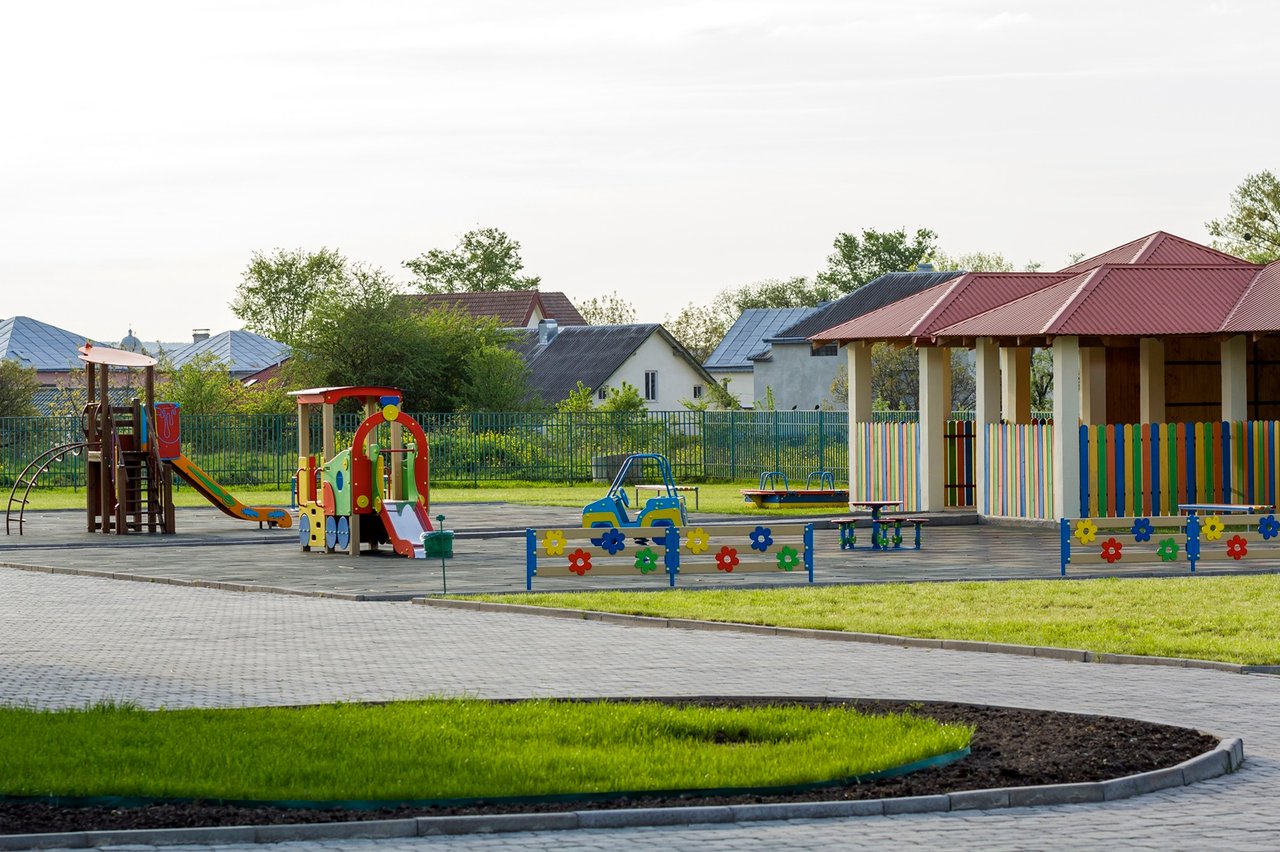
- Maintained parks and public spaces
- Houses with cared-for exteriors
Clean environments naturally feel more welcoming and comfortable.
5. Walkability and Outdoor Comfort
Neighborhoods that encourage outdoor movement often feel more alive.
Features that help include:
- Sidewalks and walking paths
- Parks or open green spaces
- Safe pedestrian crossings
- Tree-lined streets or shaded areas
These elements make everyday life more active and enjoyable.
6. Balanced Noise and Activity Levels
The right amount of activity makes a neighborhood feel vibrant—but too much can feel overwhelming.
A comfortable balance includes:
- Occasional community activity
- Low to moderate traffic noise
- Peaceful evenings
- No disruptive commercial congestion
The goal is energy without chaos.
7. A Sense of Identity and Character
Some neighborhoods feel unique because they have a clear identity.
This can come from:
- Architectural style consistency
- Cultural or historical influence
- Local traditions or events
- Distinct landscaping or layout
A strong identity helps residents feel proud of where they live.
8. Good Neighbor Relationships (Even If Minimal)
You don’t need constant interaction, but knowing neighbors are approachable matters.
It might look like:
- Borrowing small items when needed
- Watching each other’s homes during travel
- Friendly conversations during walks
- Mutual respect for privacy
These small interactions build trust over time.
9. Accessibility and Connectivity
A neighborhood feels more like home when it connects you easily to the rest of the city.
Consider:
- Road access and traffic flow
- Public transportation options
- Proximity to work or school areas
- Easy travel to nearby districts
Good connectivity reduces stress and improves daily living.
10. Emotional Comfort and Familiarity
Beyond physical features, there’s an emotional factor.
A neighborhood starts to feel like home when:
- You recognize familiar faces and places
- Daily routines feel natural
- You feel relaxed returning after a long day
- The environment matches your lifestyle
This sense of familiarity develops over time and creates true attachment.
Final Thoughts
A neighborhood becomes “home” when it combines safety, comfort, convenience, and community. While features like parks and access to stores matter, the emotional feeling of belonging is just as important.
The best neighborhoods are not just where people live—they are places where people feel connected, supported, and at ease every day.
--
Tina Jingru Sui 隋静儒
Associate Broker | Team Leader of TJS Team, Keller Williams
Serving Metro Atlanta — Johns Creek, Alpharetta, Duluth, Suwanee, Buford, and beyond
404-375-2120
WeChat: tinasuirealty
Follow me on Instagram / 小红书 / WeChat / Facebook