What Makes a Neighborhood Truly Resilient Over Time
When buying a home, it’s easy to focus on the house itself.
But over the years, the neighborhood often matters just as much — if not more — than the home’s finishes, square footage, or upgrades.
Some neighborhoods remain strong decade after decade. Others seem great today but falter tomorrow. Understanding the difference is key to smart long-term decisions.
1. Strong, Stable Local Economy
Neighborhoods anchored by employment centers tend to hold value better.
In Atlanta, areas near:
-
Major employers
-
Growing industries
-
Business districts
see consistent demand, even during market swings.
If a neighborhood has a strong economic base, homes there are less affected by short-term market noise.
2. Thoughtful Urban Planning & Infrastructure
Resilient neighborhoods often have:
-
Well-planned streets and sidewalks
-
Access to parks, trails, and recreational spaces
-
Reliable utilities and transit options
-
Room for gradual, controlled growth
Communities with good planning remain desirable, while poorly designed areas struggle over time.
3. Quality Schools & Services
Even buyers without children care about this factor.
Neighborhoods with strong schools, libraries, and community centers:
-
Attract more long-term buyers
-
Maintain home values
-
Create engaged, safe communities
These elements are structural, not temporary trends.
4. Community Engagement & Identity
Neighborhoods that cultivate identity and engagement tend to be resilient.
Look for signs like:
-
Active neighborhood associations
-
Community events
-
Care for public spaces
-
Residents invested in property upkeep
Communities with social cohesion adapt better to changes in demographics and the market.
5. Walkability & Convenience
Convenience has long-term impact.
Areas with nearby grocery stores, restaurants, gyms, and essential services:
-
Attract diverse buyers
-
Reduce reliance on cars
-
Increase demand over time
Even small walking-friendly features can make a neighborhood feel vibrant and sustainable.
6. Adaptability to Change
Resilient neighborhoods adapt without losing character.
Examples include:
-
Old homes being renovated instead of torn down
-
Streets accommodating new traffic patterns
-
Amenities updated for modern living
Neighborhoods that resist change may stagnate, while those that adapt remain relevant.
7. Natural Appeal & Environmental Health
Even subtle environmental features matter:
-
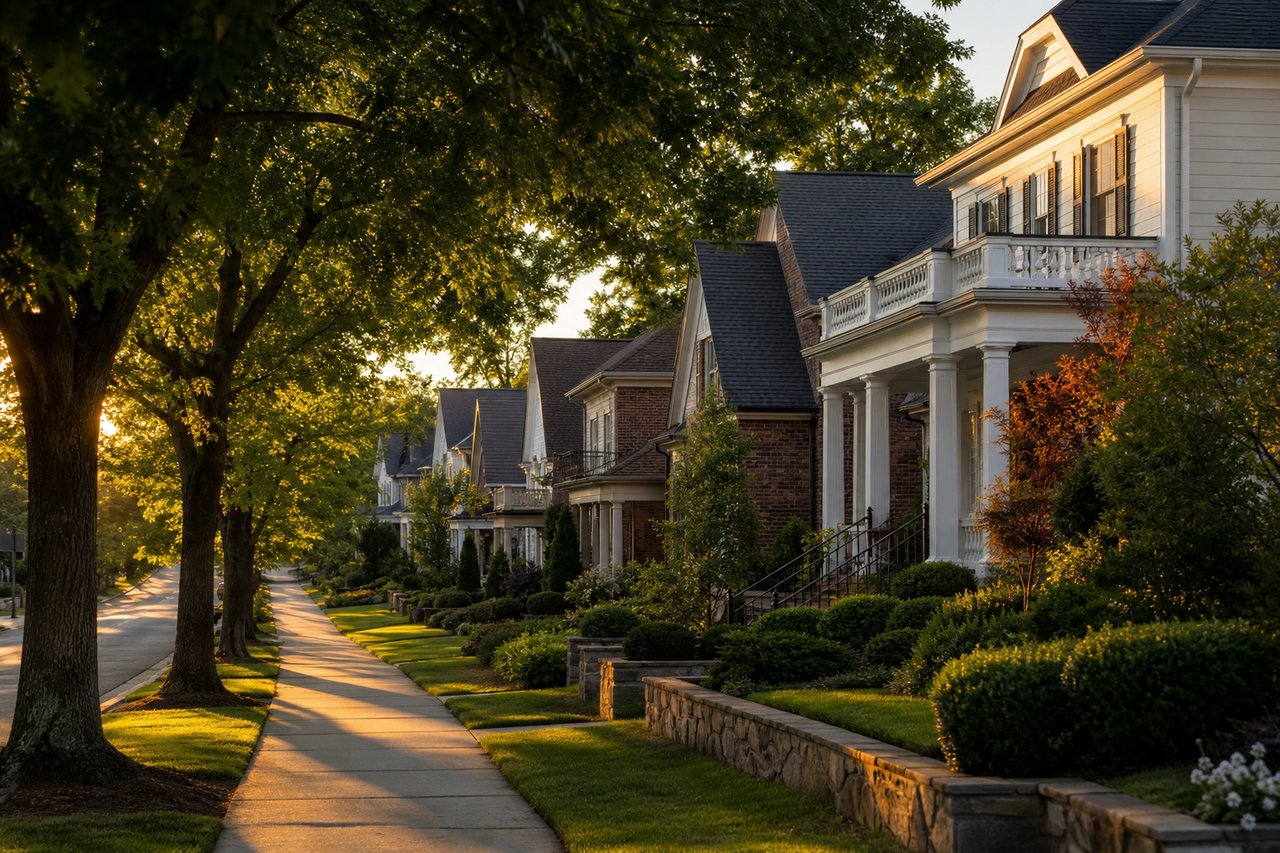
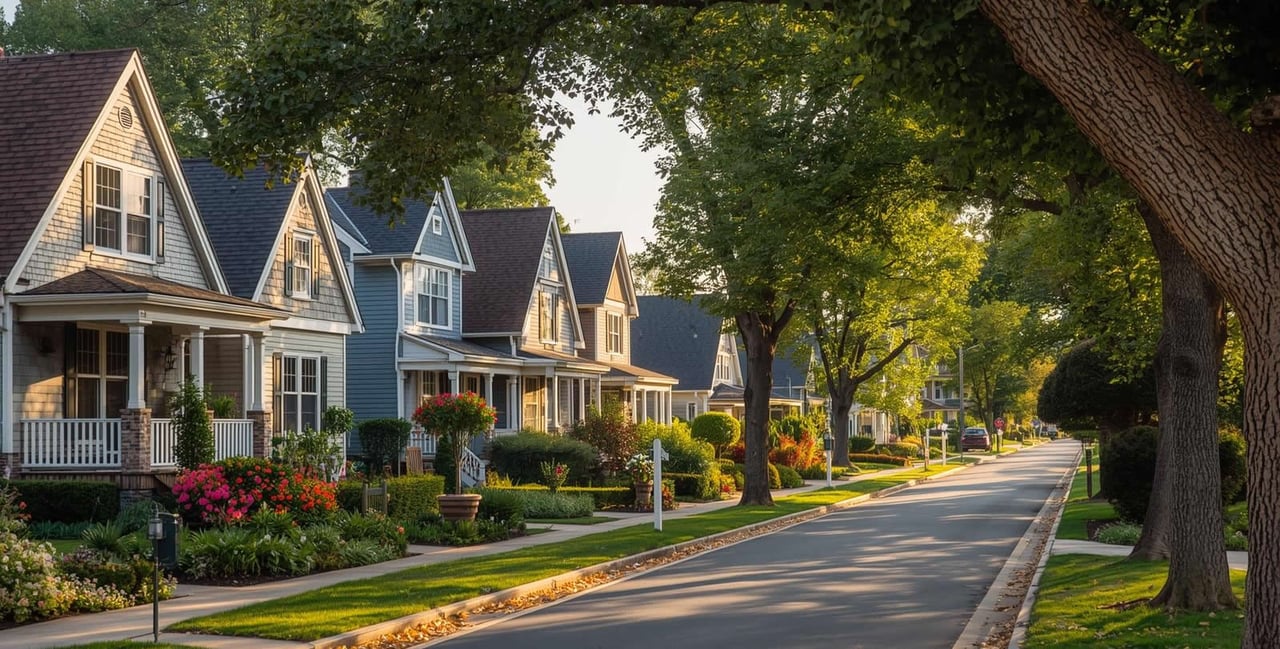
Tree-lined streets
-
Parks and green spaces
-
Low flood risk
-
Quiet surroundings
These factors may seem minor, but they sustain desirability and emotional attachment over time.
8. Long-Term Market Stability
Ultimately, resilience shows in pricing and demand patterns:
-
Steady appreciation over decades
-
Shorter time on market
-
Broad buyer interest
-
Low volatility in ups and downs
Neighborhoods that repeatedly attract buyers, regardless of national trends, are structurally resilient.
Final Thoughts
When choosing a home, don’t just ask:
-
“Is this house good today?”
Ask:
-
“Will this neighborhood remain desirable in five, ten, or twenty years?”
In Atlanta, where neighborhoods vary block by block, understanding resilience is as critical as understanding the home itself.
At TJS Team, we help buyers see beyond the surface. We evaluate both homes and neighborhoods through a long-term lens — ensuring your investment supports your life today and tomorrow.
--
Tina Jingru Sui 隋静儒
Associate Broker | Team Leader of TJS Team, Keller Williams
 Serving Metro Atlanta — Johns Creek, Alpharetta, Duluth, Suwanee, Buford, and beyond
 404-375-2120


 WeChat: tinasuirealty
 Follow me on Instagram / 小红书 / WeChat / Facebook