What Makes a Neighborhood ‘Walkable’? Key Features Atlanta Buyers Should Look For
Walkability has become one of the most sought-after features for today’s homebuyers—especially in a vibrant, growing city like Atlanta. With rising commute times, fuel costs, and the desire for healthier, more convenient living, many buyers are prioritizing neighborhoods where daily errands, dining, and recreation are just a short stroll away.
But what actually makes a neighborhood walkable? And how can Atlanta buyers identify communities that truly support a walk-friendly lifestyle?
This guide breaks down the key features to look for when searching for a walkable Atlanta neighborhood.
1. Sidewalks & Safe Pedestrian Infrastructure
A walkable neighborhood starts with safe, accessible pathways. Look for:
-
Well-maintained sidewalks on both sides of the street
-
Clearly marked crosswalks
-
Pedestrian signals at busy intersections
-
Adequate street lighting
-
ADA-compliant ramps and crossings
Atlanta has made continued investments in pedestrian safety, but walkability varies widely by area. Neighborhoods near the BeltLine or MARTA stations typically offer the best infrastructure.
2. Proximity to Everyday Amenities
The true test of walkability is convenience. Ideally, you should be able to walk to at least a few of the following within 10–15 minutes:
-
Grocery stores
-
Restaurants and cafés
-
Pharmacies
-
Gyms and fitness studios
-
Parks
-
Schools or childcare
-
Retail shops
-
Medical offices
The closer these are, the less you’ll rely on a car—and the more enjoyable your daily routine becomes.
3. Access to Green Spaces & Outdoor Activities
In Atlanta, outdoor amenities are a huge part of neighborhood appeal. Walkable communities typically offer:
-
Local parks
-
Nature trails
-
Pocket parks
-
Dog parks
-
Access to the Atlanta BeltLine
The BeltLine, in particular, has transformed walkability across the city. Living near a BeltLine entrance adds convenience, recreation, and long-term value.
4. Connectivity to Transit
A walkable neighborhood isn’t just about walking within the community—it’s also about connecting easily to the rest of Atlanta.
Look for access to:
-
MARTA rail stations
-
MARTA bus lines
-
BeltLine access points
-
Neighborhood shuttles or e-scooter zones
Transit access expands your walkability radius and reduces reliance on a car.
5. Mixed-Use Development
Walkable neighborhoods often have a blend of residential, retail, office, and entertainment spaces. This type of planning supports:
-
Shorter walking distances
-
More active, vibrant streets
-
Longer business hours and safer walkways
-
More connected communities
Atlanta areas like Midtown, Inman Park, Grant Park, and West Midtown feature strong mixed-use development models.
6. Safety & Visibility (“Eyes on the Street”)
Walkability is also about feeling safe. Key indicators include:
-
Good street lighting
-
Regular foot traffic
-
Active storefronts
-
Homes and businesses that face the street
-
Low crime rates
Neighborhoods with engaged residents and active public spaces often feel safer and more welcoming to pedestrians.
7. Traffic Calming & Bike-Friendly Design
Neighborhoods with slower vehicle traffic feel more walkable and family-friendly. Features to look for:
-
Speed humps or raised intersections
-
Narrower streets that naturally slow cars
-
Shared bike lanes or dedicated bike lanes
-
Reduced cut-through traffic
-
Roundabouts or pedestrian islands
Atlanta continues to expand bike lanes and traffic-calming measures, particularly in intown communities.
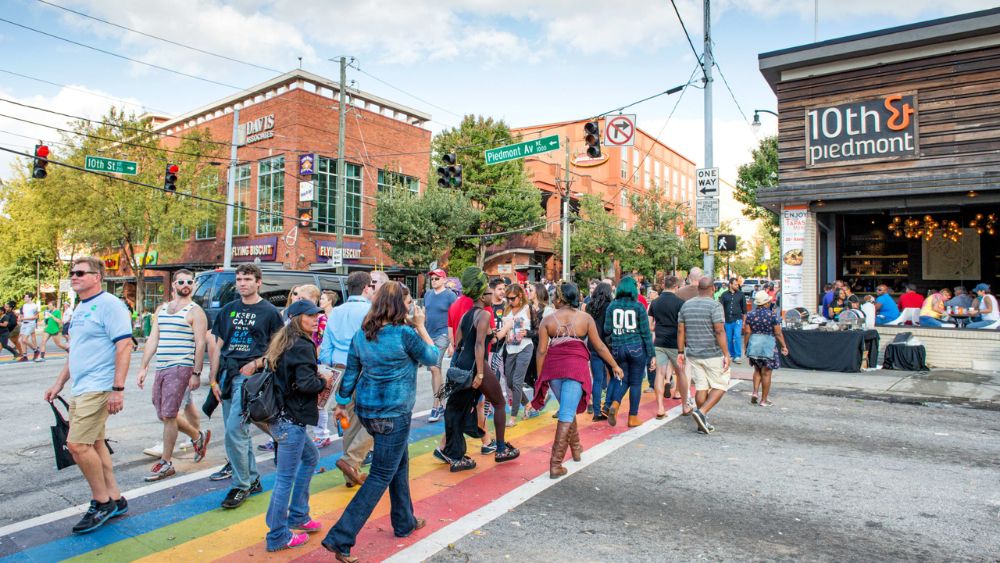
8. Community Character & Vibrant Streetscapes
Walkability is also about experience. A great walkable neighborhood typically offers:
-
Tree-lined streets
-
Benches and gathering spots
-
Public art or murals
-
Local shops and restaurants
-
Historic architecture
-
Outdoor dining
These small touches make walking feel enjoyable—not just practical.
9. School & Family-Friendly Walkability
For buyers with children, walkability includes safe access to:
-
Schools
-
Playgrounds
-
After-school programs
-
Community centers
Some Atlanta neighborhoods even offer “walking school buses”—groups of kids walking to school with designated adults.
10. The 15-Minute Neighborhood Concept
A growing global trend, the 15-minute neighborhood means everything you need for daily life is within a 15-minute walk or bike ride.
Atlanta communities like Midtown, Old Fourth Ward, Decatur, and Virginia-Highland align closely with this concept, offering:
-
Groceries
-
Dining
-
Parks
-
Shopping
-
Health services
-
Transit
This model is expected to influence future development across Atlanta in coming years.
Top Walkable Neighborhoods in Atlanta (General Overview)
While walkability varies block-by-block, buyers often find strong walkability in areas such as:
-
Inman Park
-
Virginia-Highland
-
Old Fourth Ward
-
Midtown
-
Decatur
-
Grant Park
-
West Midtown
-
Kirkwood
These communities offer a blend of amenities, transit options, green spaces, and vibrant local businesses.
Final Thoughts: Walkability Adds Value and Convenience
A walkable neighborhood offers more than convenience—it boosts quality of life, cuts transportation costs, supports healthier living, and often increases property value.
For Atlanta buyers, focusing on walkability means choosing a community that supports your lifestyle and future resale potential. As the city continues to grow and invest in pedestrian-focused development, walkable neighborhoods will only become more desirable.
--
Tina Jingru Sui 隋静儒
Associate Broker | Team Leader of TJS Team, Keller Williams
 Serving Metro Atlanta — Johns Creek, Alpharetta, Duluth, Suwanee, Buford, and beyond
 404-375-2120


 WeChat: tinasuirealty
 Follow me on Instagram / 小红书 / WeChat / Facebook