What Makes Two Similar Homes Feel Worlds Apart
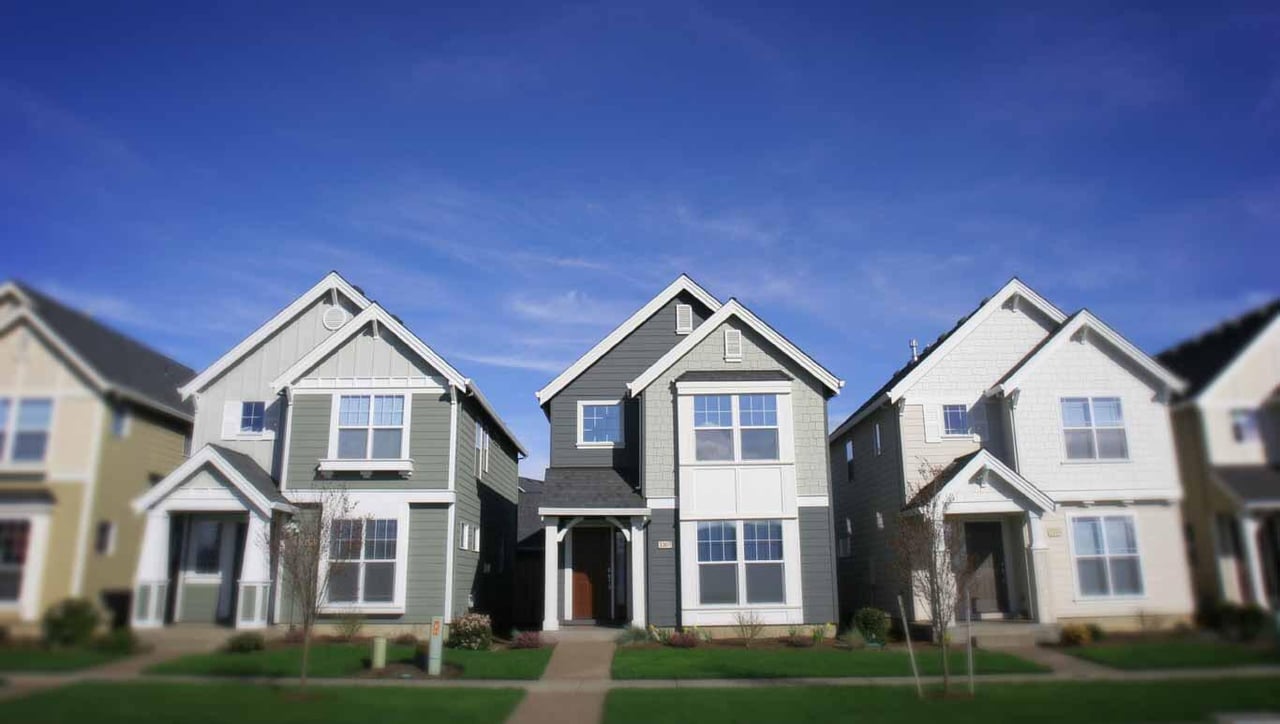
When shopping for a home, buyers often compare features, square footage, and price. Two homes may appear nearly identical on paper—same number of bedrooms, bathrooms, lot size, and even similar finishes. Yet once you step inside and live there, the experiences can be worlds apart. Understanding why helps buyers make smarter, more comfortable choices.
1. Layout and Flow
The way rooms connect and how you move through a home has a huge impact on daily life:
-
Even small differences in hallway width, room shape, or doorway placement can affect convenience.
-
Kitchens that open to dining and living areas feel lively and practical; kitchens tucked away may feel isolating.
-
Bedrooms positioned near noisy areas can disrupt rest, while thoughtful placement supports comfort.
Layout isn’t something numbers on a listing capture, but it defines how effortless life feels day to day.
2. Light, Ventilation, and Views
Two homes with the same size can feel very different depending on natural light and airflow:
-
South-facing rooms or unobstructed windows bring warmth and brightness, while blocked windows can make spaces feel dim or cramped.
-
Good airflow keeps a home fresh and healthy; poor ventilation can create stuffiness or moisture issues.
-
Views and proximity to greenery, water, or open spaces affect mood and perception of spaciousness.
Environmental factors subtly shape comfort, energy, and well-being.
3. Acoustics and Noise
Noise is often overlooked during showings but dominates daily living:
-
Thin walls, street traffic, or noisy neighbors can make even a beautiful home feel stressful.
-
Homes with better sound insulation or thoughtful layouts feel calmer and more private.
What looks similar on a floor plan may sound completely different when lived in.
4. Neighborhood and Lifestyle Fit
The surrounding environment matters as much as the home itself:
-
Local amenities, traffic patterns, and community vibe influence convenience and quality of life.
-
Walkability, parks, and social spaces affect how often you leave the house or interact with neighbors.
-
Safety, school quality, and nearby businesses impact peace of mind.
Even if homes are physically alike, the neighborhood can make one feel like home and the other like a compromise.
5. Psychological Comfort
Beyond layout and environment, psychological comfort plays a subtle but powerful role:
-
Intuition about a home’s energy or “feel” often guides satisfaction.
-
First impressions, lighting, and design coherence can make one home feel cozy and another sterile, even if measurements are identical.
-
Long-term comfort depends on how the space aligns with habits, routines, and personal lifestyle.
Final Thoughts
Two homes may look the same on paper, but living in them reveals the truth. Layout, light, noise, neighborhood, and even psychological comfort shape how a home feels daily. Buyers who understand these invisible factors make choices that aren’t just logical—they feel right. Because ultimately, a home’s value is measured by how it supports life, not just by size or price.
--
Tina Jingru Sui 隋静儒
Associate Broker | Team Leader of TJS Team, Keller Williams
 Serving Metro Atlanta — Johns Creek, Alpharetta, Duluth, Suwanee, Buford, and beyond
 404-375-2120


 WeChat: tinasuirealty
 Follow me on Instagram / 小红书 / WeChat / Facebook