What Sellers Can Expect During the Listing Process
Selling a home involves much more than placing a “For Sale” sign in the yard. The listing process includes several important steps that help prepare the property, attract buyers, and guide the transaction toward a successful closing.
For many homeowners, especially first-time sellers, the process can feel unfamiliar and overwhelming. Understanding what to expect during each stage helps reduce stress and allows sellers to make more informed decisions along the way.
From pricing strategy and photography to showings and negotiations, here’s what sellers can expect during the real estate listing process.
1. Initial Consultation With a Real Estate Professional
The listing process usually begins with a meeting between the seller and a real estate professional.
During this consultation, discussions often include:
- Current market conditions
- Comparable home sales
- Pricing strategies
- Property condition
- Seller goals and timelines
This early planning stage helps create a roadmap for the sale.
2. Evaluating the Home’s Market Value
Pricing is one of the most important parts of the listing process.
Real estate professionals often analyze:
- Comparable recent sales
- Neighborhood trends
- Local inventory levels
- Property features and condition
Setting the right price helps:
- Attract buyers
- Increase showing activity
- Avoid long market delays
Overpricing can sometimes reduce buyer interest and lead to future price reductions.
3. Preparing the Home for the Market
Before listing, sellers are usually encouraged to improve the home’s presentation.
Preparation may include:
- Decluttering
- Deep cleaning
- Minor repairs
- Landscaping improvements
- Painting or touch-ups
- Staging furniture and décor
The goal is to create a clean, welcoming environment that appeals to buyers.
4. Professional Photography and Marketing
Most buyers begin their search online, making marketing materials extremely important.
Listing preparation often includes:
- Professional photography
- Video tours
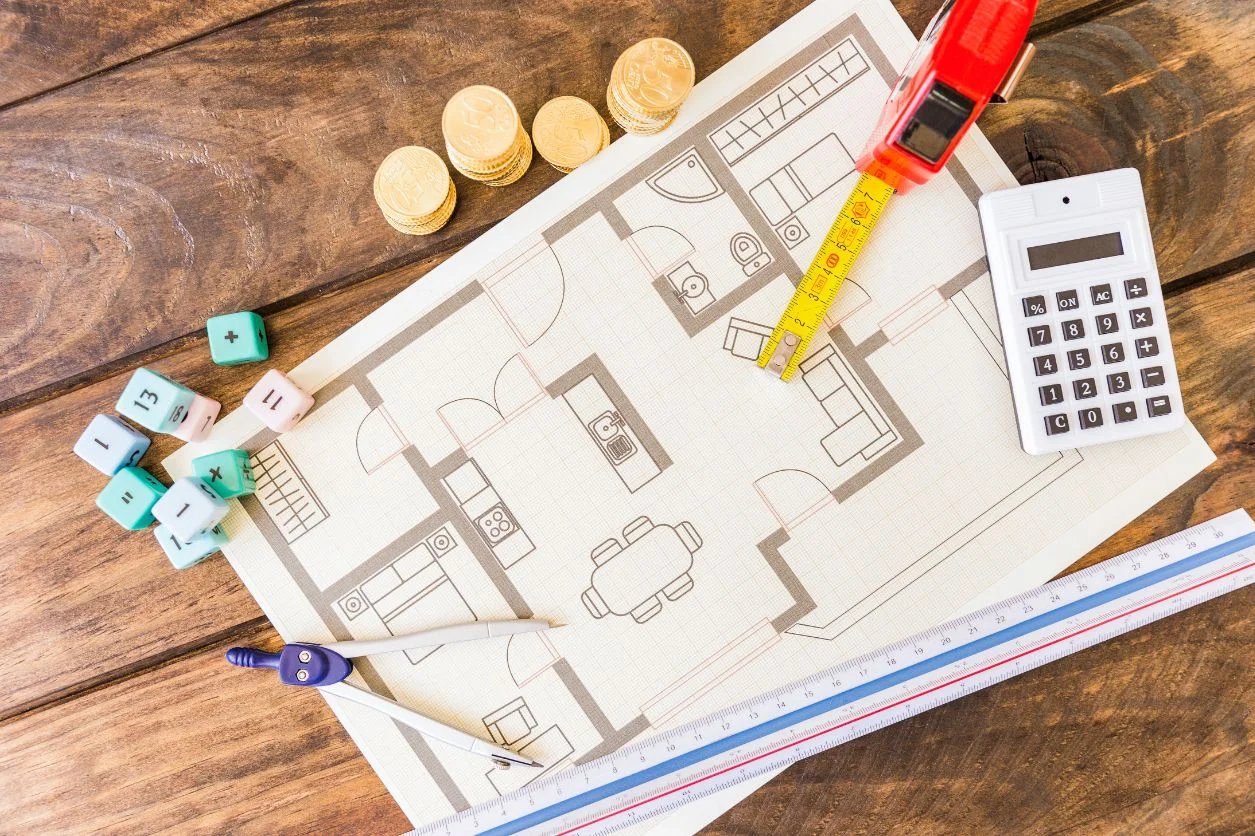
- Floor plans
- Online listings
- Social media marketing
Strong visuals help increase buyer interest and generate more showings.
5. The Home Goes Live on the Market
Once the property is officially listed, buyers and agents can begin scheduling showings.
At this stage, sellers should prepare for:
- Increased activity
- Showing requests
- Open houses
- Buyer feedback
The first few weeks are often especially important because new listings usually receive the most attention.
6. Showings Become Part of Daily Life
During the listing period, sellers may need to keep the home consistently clean and ready for visitors.
Showings may occur:
- During weekdays
- Evenings
- Weekends
- Sometimes on short notice
Flexibility often helps maximize buyer exposure.
7. Buyer Feedback Helps Gauge Market Response
After showings, sellers may receive feedback about:
- Pricing
- Home condition
- Layout
- Features buyers liked or disliked
Feedback helps sellers and agents evaluate how the market is responding to the property.
If activity is slow, adjustments may sometimes be necessary.
8. Open Houses May Increase Exposure
Some sellers choose to host open houses to attract additional buyers.
Open houses can:
- Increase visibility
- Create buyer interest
- Encourage competitive offers
While not every buyer purchases through an open house, they often help generate additional traffic.
9. Sellers May Receive Multiple Offers
In competitive markets, sellers may receive more than one offer at the same time.
Offers can vary based on:
- Purchase price
- Financing strength
- Closing timeline
- Contingencies
- Earnest money deposits
The highest offer is not always the best overall offer.
10. Negotiations Are Common
After receiving offers, negotiations often begin.
Discussions may involve:
- Price adjustments
- Repair requests
- Closing costs
- Possession dates
- Contract contingencies
Successful negotiations balance financial goals with practical transaction considerations.
11. The Home Goes Under Contract
Once both parties agree to terms, the property enters the contract phase.
At this point, buyers typically complete:
- Inspections
- Appraisals
- Loan approval processes
The transaction is not fully complete until closing occurs.
12. Inspections May Lead to Additional Negotiations
Home inspections often reveal maintenance or repair concerns.
Buyers may request:
- Repairs
- Seller credits
- Price reductions
Some requests are minor, while others may involve larger structural or system-related concerns.
Sellers should prepare for possible additional negotiations after inspections.
13. The Appraisal Is an Important Step
If the buyer is financing the purchase, the lender usually requires an appraisal.
The appraisal helps confirm:
- Property value
- Loan eligibility
If the appraisal comes in lower than expected, renegotiation may occur.
14. Sellers Continue Preparing for Moving
While the transaction progresses, sellers often begin:
- Packing
- Scheduling movers
- Organizing utilities
- Planning relocation logistics
Preparing early helps reduce stress closer to closing day.
15. Final Walkthrough Happens Before Closing
Shortly before closing, buyers usually complete a final walkthrough.
The purpose is to confirm:
- The property remains in agreed condition
- Repairs were completed if required
- No unexpected issues occurred before closing
This is typically one of the final transaction steps.
16. Closing Day Finalizes the Sale
During closing:
- Documents are signed
- Funds are transferred
- Ownership officially changes hands
After closing is complete, the buyer receives possession based on the agreed timeline.
17. Emotions Are a Normal Part of Selling
Selling a home is often emotional because homes carry:
- Memories
- Personal milestones
- Family experiences
At the same time, the process can feel stressful because of:
- Uncertainty
- Deadlines
- Negotiations
- Moving logistics
Understanding the listing process helps sellers feel more prepared and less overwhelmed.
Final Thoughts
The home listing process involves many stages, from pricing and preparation to marketing, negotiations, inspections, and closing. While selling a home can feel complex, understanding what to expect helps sellers navigate the process more confidently.
Preparation, flexibility, and market awareness all contribute to a smoother selling experience and stronger results.
Ultimately, successful listings combine thoughtful planning, realistic expectations, strong presentation, and professional guidance to help sellers achieve their goals in today’s real estate market.
--
Tina Jingru Sui 隋静儒
Associate Broker | Team Leader of TJS Team, Keller Williams
Serving Metro Atlanta — Johns Creek, Alpharetta, Duluth, Suwanee, Buford, and beyond
404-375-2120
WeChat: tinasuirealty
Follow me on Instagram / 小红书 / WeChat / Facebook