Why Buyers Regret Ignoring Their First Reaction
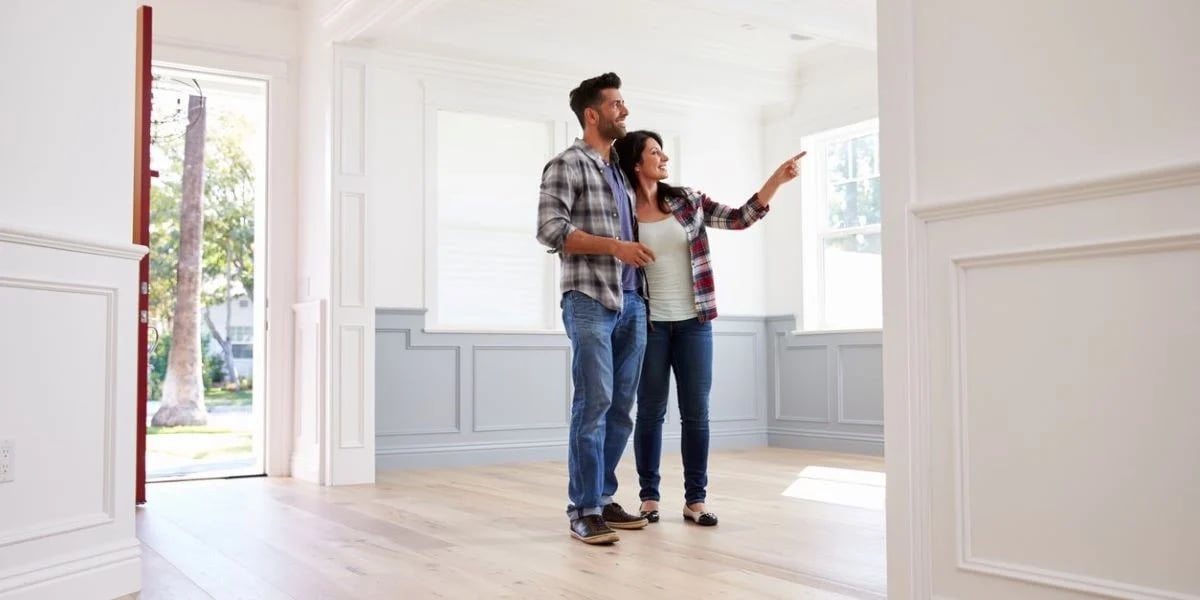
When buyers walk into a home, their first reaction often arrives before any logical analysis. It’s a feeling—subtle but immediate. Sometimes it’s comfort. Sometimes it’s tension. And very often, buyers talk themselves out of it.
Later, many regret that decision.
Ignoring your first reaction doesn’t always lead to a bad purchase, but it frequently leads to a home that never quite feels right. Understanding why that happens can help buyers make more balanced, confident decisions.
First Reactions Are About Safety and Comfort
Your brain processes space faster than you realize. In the first few moments inside a home, you’re subconsciously assessing light, sound, scale, layout, and flow. These signals help determine whether a space feels calming or stressful.
This reaction isn’t emotional fluff—it’s pattern recognition based on how humans experience environments.
When something feels off, it’s often because your senses have detected friction your mind hasn’t yet named.
Why Buyers Talk Themselves Out of That Feeling
Buyers are taught to be rational. Price, resale value, square footage, and features are measurable, while feelings feel unreliable. So when intuition conflicts with logic, many buyers dismiss it.
Common justifications include:
-
“It checks every box.”
-
“I’m being too picky.”
-
“I’ll get used to it.”
-
“We can fix this later.”
These explanations soothe short-term anxiety but often ignore long-term experience.
The Cost of Overriding Intuition
When buyers suppress their first reaction, they often notice issues only after moving in:
-
Persistent discomfort without a clear cause
-
Annoyance with layout or light they can’t fully explain
-
A sense of unease or restlessness at home
These reactions aren’t imaginary. They’re delayed recognition of signals that were present from the beginning.
Intuition vs. Impulse
Trusting your first reaction doesn’t mean buying impulsively. There’s an important difference between instinct and excitement.
-
Excitement is loud and emotional.
-
Intuition is quiet and physical.
Intuition often shows up as tension, hesitation, or calm rather than enthusiasm. Learning to tell the difference helps buyers avoid emotional mistakes while still honoring lived experience.
How to Use First Reactions Wisely
Instead of dismissing your reaction, investigate it:
-
What exactly felt off—or right?
-
Was it the light, noise, layout, or energy of the space?
-
Would this feeling improve or worsen over time?
Pair intuition with facts, not against them.
Final Thoughts
Your first reaction is not a verdict—but it is valuable data. Buyers who regret ignoring it often realize later that their discomfort was accurate, just unnamed.
The smartest home decisions come from balance. Logic protects your finances. Intuition protects your daily life. When you listen to both, you don’t just buy a house—you choose a place that truly feels like home.
--
Tina Jingru Sui 隋静儒
Associate Broker | Team Leader of TJS Team, Keller Williams
 Serving Metro Atlanta — Johns Creek, Alpharetta, Duluth, Suwanee, Buford, and beyond
 404-375-2120


 WeChat: tinasuirealty
 Follow me on Instagram / 小红书 / WeChat / Facebook