Why Homes on the Same Street Can Have Very Different Values
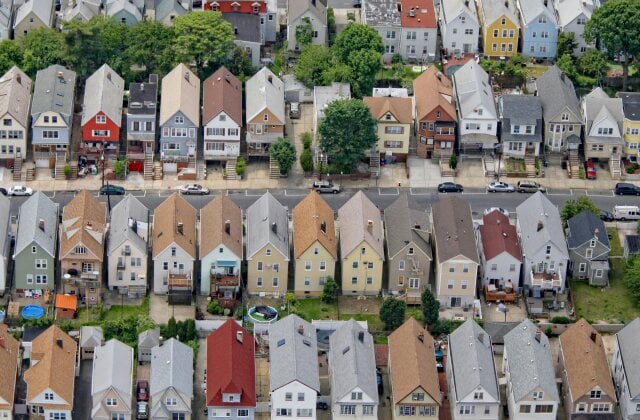
At first glance, homes on the same street seem like they should be worth about the same. They share the same zip code, school district, and neighborhood reputation. Yet in reality, price differences on a single street can be surprisingly large. These gaps aren’t random—they’re driven by details buyers care deeply about, even if they don’t always articulate them.
Micro-Location Matters More Than You Think
Even a few houses apart can make a difference. Homes closer to intersections, busier corners, or cut-through traffic often sell for less than those tucked deeper into the street. Proximity to mailboxes, fire hydrants, or drainage areas can also affect desirability.
Lot Shape, Size, and Usability
Two homes may sit on the same street, but their lots can be very different. A flat, usable backyard often commands a premium over a sloped or oddly shaped lot. Privacy matters too—homes backing to woods or open space typically outperform those facing other houses or busy roads.
Light, Orientation, and Views
Sun exposure plays a major role in how a home feels. Homes with better natural light or more open views often feel warmer and more inviting, which translates into stronger buyer interest and higher offers. A shaded or blocked home may feel darker—even if the square footage is the same.
Floor Plan Efficiency
Not all square footage is created equal. A well-designed layout with good flow, storage, and usable room sizes will outperform a home with awkward hallways or wasted space. Buyers pay for how a home lives, not just how big it is.
Condition and Maintenance History
Two identical models can diverge in value based on care. Homes with updated systems, newer roofs, and consistent maintenance feel safer to buyers. Deferred maintenance, even if not immediately visible, often shows up in inspections and negotiations.
Renovation Choices and Timing
Smart updates add value; poorly executed or overly personalized renovations can hurt it. Neutral, timeless improvements tend to age better and attract more buyers. Renovations done just before selling also create a “move-in ready” impression that commands stronger offers.
Buyer Psychology and First Impressions
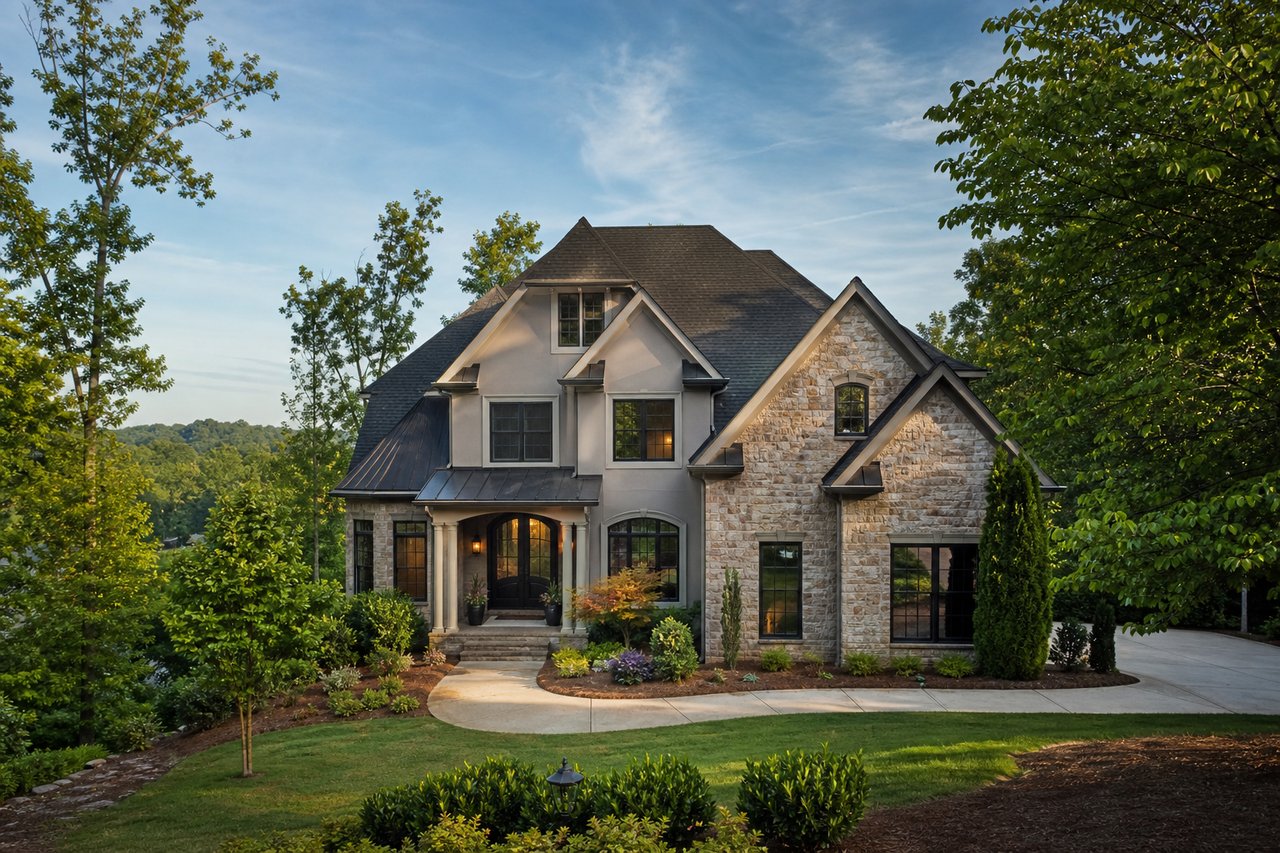
Sometimes value differences come down to emotion. One home simply “feels right” while another doesn’t. Curb appeal, entry experience, and how the home presents online all influence buyer perception—and perception often drives price.
Final Thoughts
Homes on the same street don’t compete equally. Micro-location, layout, light, lot usability, condition, and presentation all shape how buyers assign value. When buying or selling, it’s not enough to look at the street name—you have to understand the specific advantages and disadvantages of each individual home.
--
Tina Jingru Sui 隋静儒
Associate Broker | Team Leader of TJS Team, Keller Williams
 Serving Metro Atlanta — Johns Creek, Alpharetta, Duluth, Suwanee, Buford, and beyond
 404-375-2120


 WeChat: tinasuirealty
 Follow me on Instagram / 小红书 / WeChat / Facebook