Why Location Stability Matters More Than Market Hype
Every real estate cycle produces “hot” areas.
-
The new development everyone is talking about
-
The neighborhood that suddenly doubled in price
-
The zip code trending on social media
-
The pre-construction project with flashy marketing
Market hype is loud.
Location stability is quiet.
And over time, quiet usually wins.
If you’re buying a home — especially for long-term living or investment — understanding the difference between hype and stability can protect both your lifestyle and your equity.
What Is Market Hype?
Market hype is driven by:
-
Rapid short-term appreciation
-
New development announcements
-
Investor activity
-
Social media exposure
-
Speculative momentum
Hyped markets often show:
-
Fast price growth
-
Intense competition
-
Emotional urgency
-
Rising expectations
Hype feels exciting.
But excitement is not the same as durability.
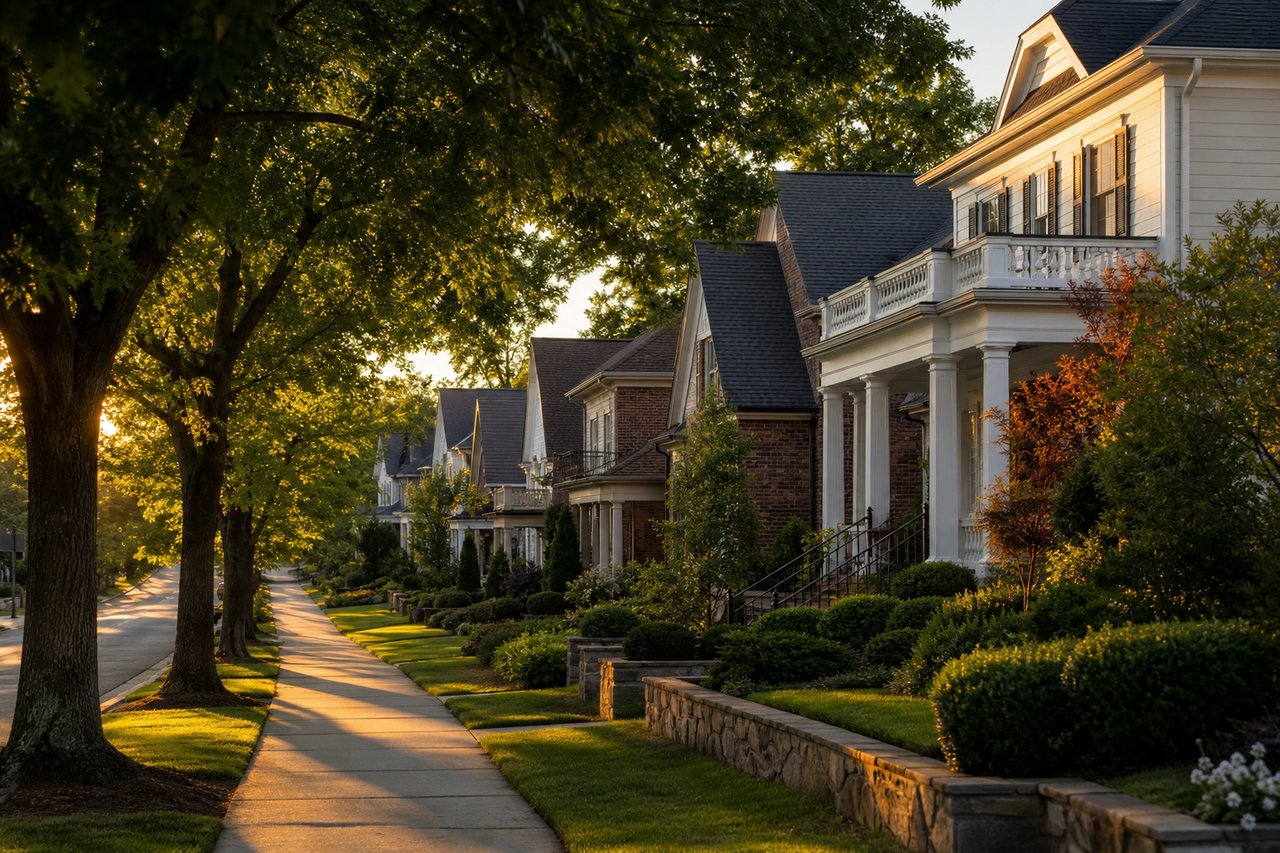
What Is Location Stability?
Location stability is rooted in:
-
Established infrastructure
-
Consistent school demand
-
Strong owner-occupant presence
-
Predictable resale activity
-
Balanced supply and demand
Stable areas may not grow the fastest in any given year.
But they tend to:
-
Hold value in downturns
-
Recover faster after corrections
-
Attract broad buyer pools
-
Maintain long-term livability
Stability builds resilience.
Why Hype Often Creates Short-Term Distortion
When an area becomes “hot,” several things happen:
-
Prices rise faster than fundamentals.
-
Buyers stretch to enter before prices climb further.
-
Investors crowd in.
-
Inventory expands quickly.
But fast growth can:
-
Inflate price ceilings
-
Create oversupply
-
Increase rental saturation
-
Reduce future appreciation momentum
Hype accelerates cycles.
Stability smooths them.
The Risk of Buying at Peak Excitement
Buying into hype can mean:
-
Purchasing near the top of the price curve
-
Facing slower appreciation later
-
Competing in oversupplied markets
-
Dealing with high investor concentration
When markets cool, speculative areas often correct first.
Stable neighborhoods tend to soften less dramatically.
Owner-Occupant Demand vs. Investor Momentum
One of the clearest signals of stability is owner-occupant demand.
Areas dominated by families and long-term residents typically:
-
Maintain community consistency
-
Experience lower turnover
-
Support stronger resale stability
Investor-heavy areas can move quickly — in both directions.
High rental concentration may create volatility.
Balanced ownership creates durability.
Infrastructure Matters More Than Headlines
Stable locations typically have:
-
Proven school systems
-
Reliable transportation access
-
Established retail and services
-
Medical and employment centers nearby
These fundamentals don’t make dramatic headlines.
But they anchor value.
Trends fade.
Infrastructure persists.
The Illusion of “Next Big Thing” Growth
Buyers often chase the “next hot area” hoping for rapid appreciation.
But predicting speculative growth is difficult.
Questions to ask:
-
Is growth driven by long-term demand or short-term speculation?
-
Is supply expanding rapidly?
-
Are prices supported by comparable income levels?
-
Would this area remain desirable without hype?
If the answer depends on momentum alone, risk increases.
Stability Protects Both Lifestyle and Equity
When buying a primary residence, stability impacts:
-
Daily convenience
-
School continuity
-
Noise levels
-
Neighborhood character
-
Community consistency
When buying for investment, stability influences:
-
Tenant demand
-
Vacancy rates
-
Rental sustainability
-
Exit flexibility
Stable locations create optionality.
Optionality reduces stress.
The Psychology Behind Hype
Humans are wired to respond to momentum.
When everyone is buying, we feel urgency.
But disciplined buyers step back and ask:
-
Would this still make sense if the market cooled?
-
Does this area have historical resilience?
-
Are we chasing excitement or making a strategic move?
Confidence should be grounded in fundamentals — not headlines.
How Smart Buyers Evaluate Location Strength
Instead of asking:
“Is this area hot?”
Ask:
-
Has this neighborhood shown long-term consistency?
-
How did it perform during previous downturns?
-
Is demand broad or niche?
-
Are price increases supported by income growth?
-
Is new construction balanced or excessive?
Stable areas rarely feel dramatic.
They feel dependable.
The Long-Term Perspective
Real estate is cyclical.
Hot markets cool.
Cool markets recover.
Trends rotate.
But stable neighborhoods tend to:
-
Preserve equity
-
Attract steady buyers
-
Maintain livability
-
Offer long-term predictability
The goal isn’t to chase the fastest growth.
It’s to build durable wealth.
Final Thought
Market hype creates noise.
Location stability creates security.
The best home decisions aren’t built on momentum.
They’re built on fundamentals.
Because over time, consistency beats excitement.
And in real estate, resilience is often more valuable than rapid appreciation.
If you want to protect both your lifestyle and your investment,
choose stability over spectacle.
--
Tina Jingru Sui 隋静儒
Associate Broker | Team Leader of TJS Team, Keller Williams
 Serving Metro Atlanta — Johns Creek, Alpharetta, Duluth, Suwanee, Buford, and beyond
 404-375-2120


 WeChat: tinasuirealty
 Follow me on Instagram / 小红书 / WeChat / Facebook