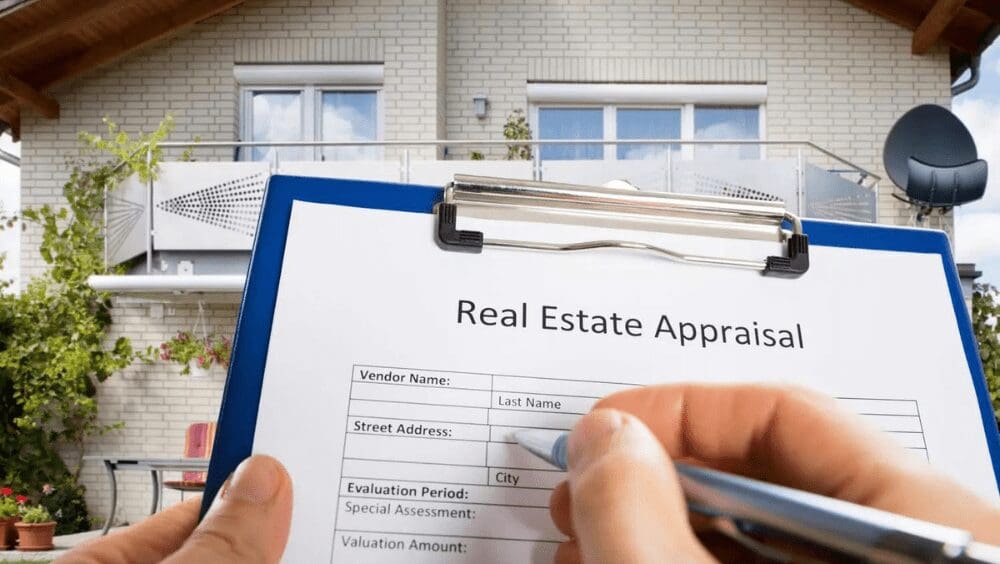
Why “Move-In Ready” Doesn’t Always Mean Low Maintenance
“Move-in ready” is one of the most attractive phrases in real estate. To many buyers, it sounds like peace of mind: no projects, no surprises, and no extra expenses after closing. But in reality, a move-in ready home can still come with significant maintenance—sometimes sooner than you expect.
Understanding what move-in ready really means can help you avoid costly misunderstandings after you get the keys.
What “Move-In Ready” Actually Means
In most listings, move-in ready simply means the home is clean, functional, and livable on day one. It does not guarantee that:
-
Major systems are new
-
Maintenance costs will be low
-
Repairs won’t be needed soon
A home can look perfect and still have aging infrastructure behind the walls.
The Hidden Maintenance Behind a Polished Look
Many move-in ready homes have been refreshed cosmetically to appeal to buyers. Common examples include:
-
Fresh paint and new flooring
-
Updated kitchen cabinets or countertops
-
Modern light fixtures and hardware
These upgrades improve appearance—but they don’t address items like:
-
HVAC systems near the end of their lifespan
-
Older plumbing or electrical components
-
Roofs with limited remaining years
-
Drainage or foundation issues
Once you move in, those hidden systems don’t stay hidden for long.
Deferred Maintenance Is Easy to Miss
A home can feel well cared for while still carrying years of deferred maintenance. Sellers often focus on what buyers see, not on what’s behind the scenes. Small issues left unaddressed over time can add up quickly after closing—when they become your responsibility.
Newer Finishes Don’t Equal Durable Materials
Not all updates are created equal. Some renovations use lower-cost materials designed to look good for showings but wear quickly under daily use. Cabinets, flooring, or fixtures may need replacement far sooner than expected, even though everything looked “brand new” at purchase.
How Buyers Should Evaluate a Move-In Ready Home
Instead of assuming low maintenance, buyers should:
-
Ask the age of major systems (roof, HVAC, water heater)
-
Review maintenance history, not just renovation dates
-
Budget for future repairs even if none are urgent
-
Rely on a thorough inspection—not visual appeal
A truly low-maintenance home is defined by systems and structure, not styling.
Final Thoughts
Move-in ready means you can live there immediately—not that you’re done spending money. The smartest buyers look past the finishes and focus on what will matter years after move-in. A beautiful home is nice. A well-maintained home is what protects your time, comfort, and long-term costs.
--
Tina Jingru Sui 隋静儒
Associate Broker | Team Leader of TJS Team, Keller Williams
 Serving Metro Atlanta — Johns Creek, Alpharetta, Duluth, Suwanee, Buford, and beyond
 404-375-2120


 WeChat: tinasuirealty
 Follow me on Instagram / 小红书 / WeChat / Facebook