Why Newer Isn’t Always Better in Real Estate
Many buyers assume that newer homes are automatically better—fewer repairs, modern layouts, and updated finishes. While newer construction offers clear advantages, it isn’t always the smartest choice financially or functionally. In Metro Atlanta’s diverse housing market, older homes can sometimes outperform newer ones in value, livability, and long-term potential.
Understanding the trade-offs between new and older homes helps buyers make decisions based on facts, not assumptions.
1. Build Quality Can Vary
Not all new homes are built the same.
-
Some older homes were constructed with thicker walls, solid framing, and durable materials
-
Rapid new construction may prioritize speed over craftsmanship
-
Materials in newer homes can be cost-efficient rather than long-lasting
Age alone doesn’t determine quality—construction standards and execution do.
2. Location and Land Value
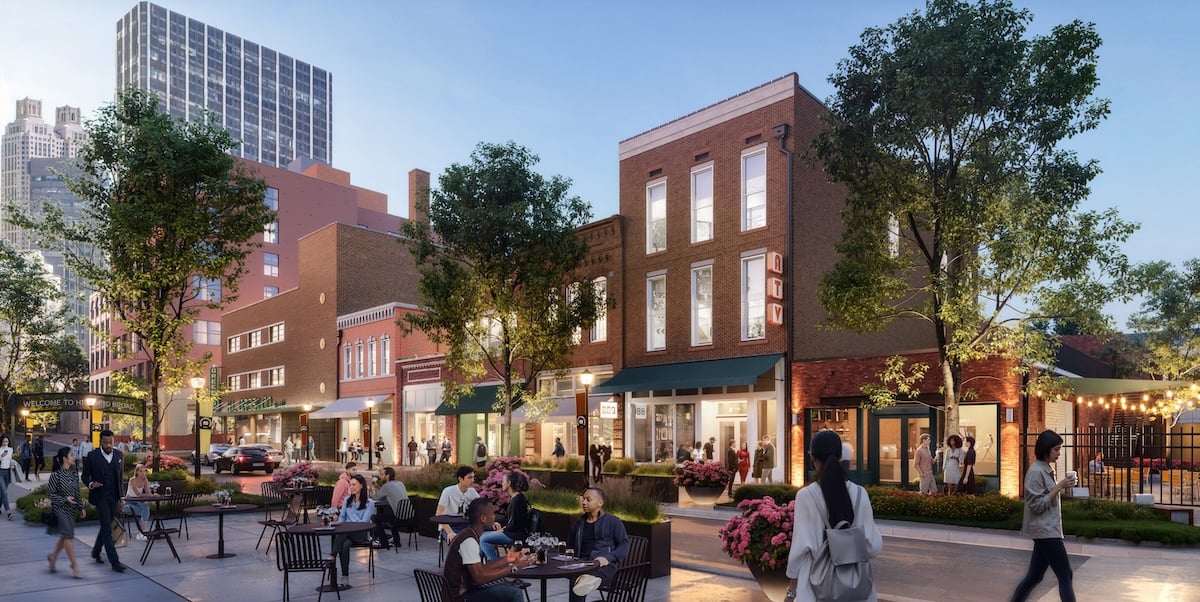
Many older homes are located in established neighborhoods:
-
Mature trees and landscaping
-
Larger lots
-
Proximity to city centers, schools, and amenities
Newer developments are often farther out, where land is cheaper and more plentiful. Over time, location and land value can matter more than the age of the structure itself.
3. Layout and Room Sizes
Trends change. While newer homes often feature open concepts, older homes may offer:
-
Defined rooms and better sound separation
-
Larger bedrooms and closets
-
More functional storage
What feels “modern” today may not align with every buyer’s lifestyle tomorrow.
4. Hidden Costs of New Construction
Newer doesn’t always mean maintenance-free:
-
Builder-grade appliances may need replacement sooner
-
Landscaping, fencing, or window treatments are often additional costs
-
New communities may have rising HOA fees or special assessments
Buyers sometimes underestimate these post-purchase expenses.
5. Character and Charm
Older homes often offer architectural details that are expensive to recreate:
-
Solid wood doors and trim
-
Unique layouts and craftsmanship
-
Distinct neighborhood character
For many buyers, these features add emotional and resale value.
6. Resale and Market Cycles
During market shifts:
-
Well-located older homes often hold value better
-
New construction competes with future phases of the same development
-
Incentives on brand-new homes can impact resale pricing for recent buyers
Resale performance depends more on location and demand than age.
7. The Right Choice Depends on the Buyer
There is no universal “better” option:
-
Some buyers prioritize warranties and modern systems
-
Others value location, space, and long-term appreciation
The best home is the one that aligns with your lifestyle, budget, and future plans.
Final Thoughts
Newer homes offer convenience and modern appeal—but they aren’t always superior. In Metro Atlanta, older homes often shine in location, lot size, build quality, and long-term value. Smart buyers look beyond age and evaluate what truly matters for livability and investment.
--
Tina Jingru Sui 隋静儒
Associate Broker | Team Leader of TJS Team, Keller Williams
 Serving Metro Atlanta — Johns Creek, Alpharetta, Duluth, Suwanee, Buford, and beyond
 404-375-2120


 WeChat: tinasuirealty
 Follow me on Instagram / 小红书 / WeChat / Facebook