Why Some Compromises Are Fine—and Others Aren’t
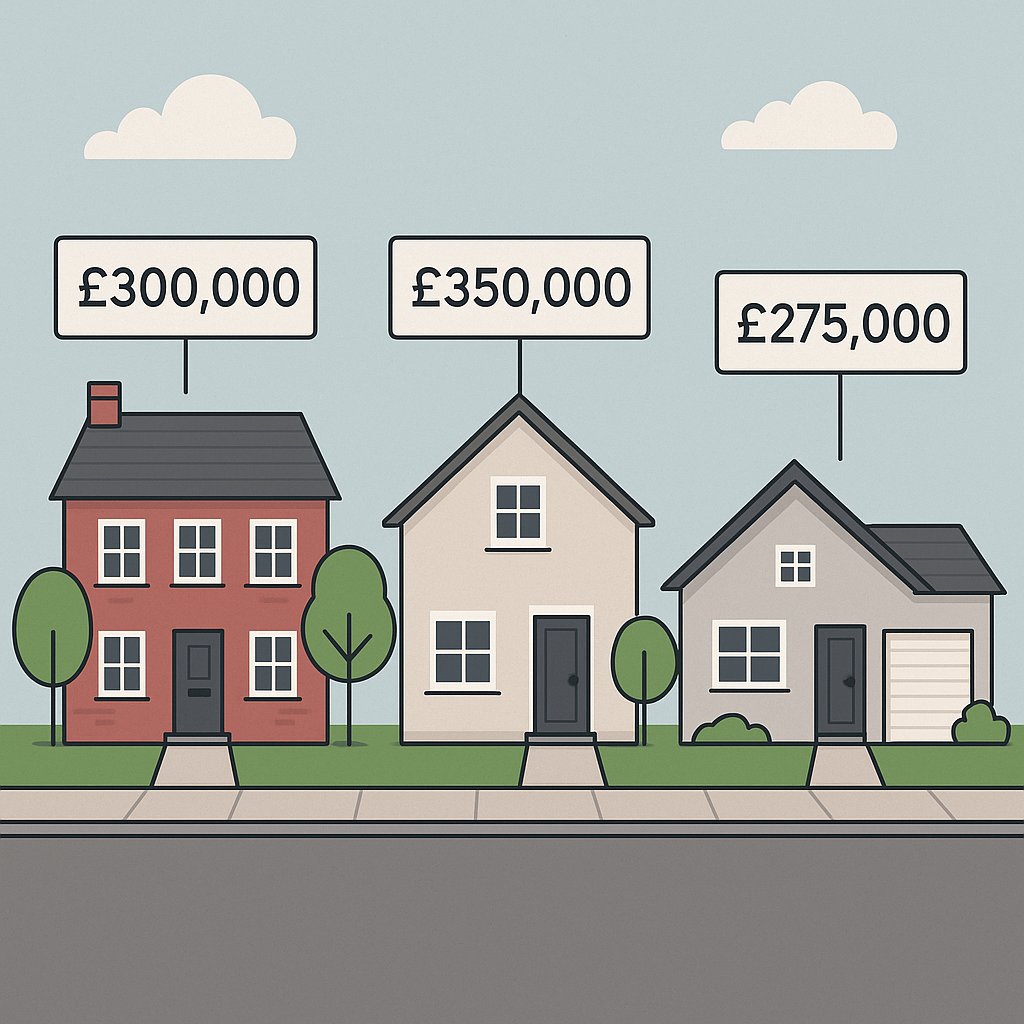
Buying a home often involves compromise. Perfect homes rarely exist, and most buyers must balance budget, location, size, and features. However, not all compromises are equal. Some are minor trade-offs that don’t affect long-term comfort, while others can create frustration and regret. Knowing the difference is key to a smart purchase.
1. Compromises That Are Usually Fine
Certain trade-offs have minimal impact on daily life:
-
Cosmetic features: Wall colors, flooring type, or cabinet style can be changed over time.
-
Small design quirks: Non-ideal layouts for rarely used spaces, like a secondary bathroom or small guest room.
-
Minor upgrades: Appliances, light fixtures, or landscaping details that can be improved later.
These compromises are manageable because they don’t affect functionality or livability significantly and can often be addressed gradually or inexpensively.
2. Compromises That Often Backfire
Some trade-offs are more serious and can create long-term dissatisfaction:
-
Location issues: Poor schools, unsafe neighborhoods, long commutes, or lack of amenities.
-
Flow and layout problems: Kitchens that don’t connect to living areas, awkward hallways, or rooms that can’t serve their intended purpose.
-
Structural or system concerns: Roof, foundation, electrical, plumbing, or HVAC problems that are costly to fix.
-
Insufficient storage or space: Limited closets or cramped rooms that impact daily organization.
These compromises are difficult, expensive, or impossible to fix later, making them critical considerations.
3. How to Evaluate Compromises
-
Ask yourself what you can live with long-term: Temporary inconveniences vs. persistent issues.
-
Consider financial and emotional cost: Some fixes are easy, others drain time, money, or patience.
-
Think about resale: Compromises that limit future buyers or reduce market appeal may affect long-term value.
-
Separate wants from needs: Features you desire vs. essentials for daily comfort and lifestyle.
4. Avoid Compromise Regret
-
Make a prioritized checklist before looking at homes.
-
Test how the space feels in daily life, not just on a walkthrough.
-
Listen to intuition—if something feels off, it’s worth investigating further.
-
Work with an experienced agent who can guide you on which compromises are manageable and which are red flags.
Final Thoughts
Compromise is part of buying a home, but knowing which trade-offs are harmless and which will hurt you long-term is critical. Focus on functionality, comfort, location, and structural integrity first, and leave cosmetic adjustments for later. Smart compromises can make a home work perfectly for you—bad compromises can create regret for years.
--
Tina Jingru Sui 隋静儒
Associate Broker | Team Leader of TJS Team, Keller Williams
 Serving Metro Atlanta — Johns Creek, Alpharetta, Duluth, Suwanee, Buford, and beyond
 404-375-2120


 WeChat: tinasuirealty
 Follow me on Instagram / 小红书 / WeChat / Facebook