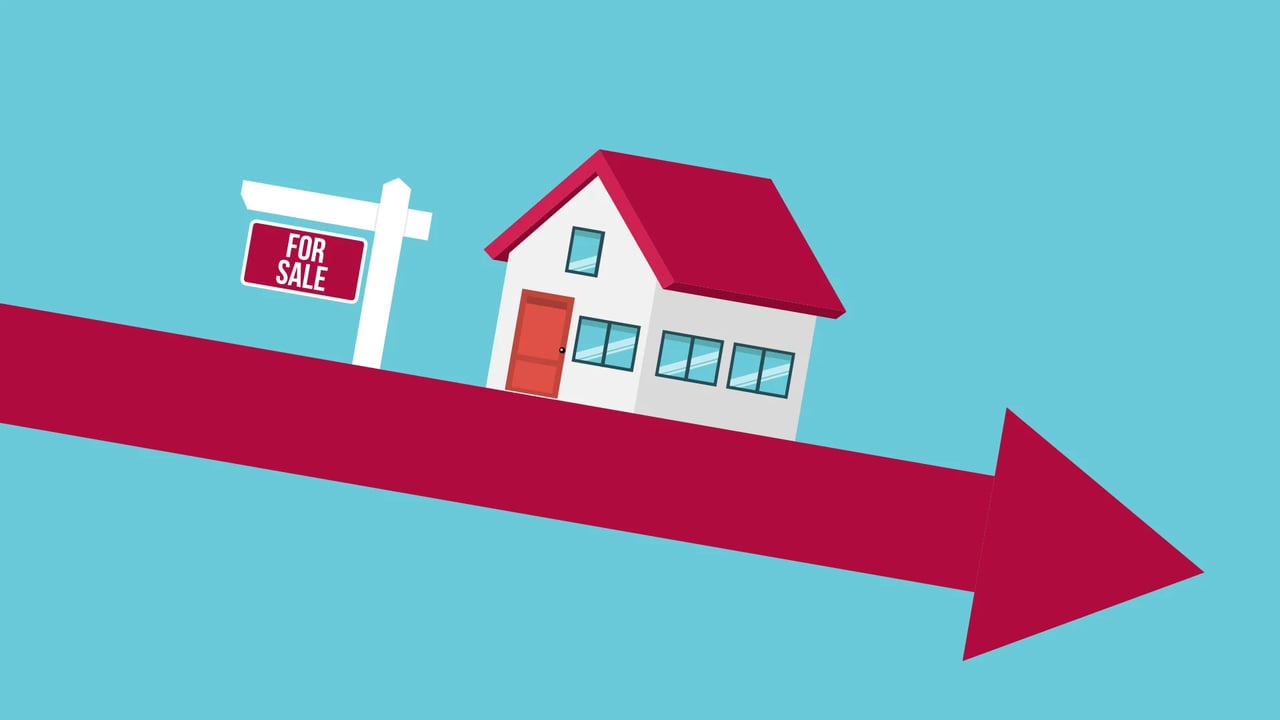
Why Some Homes Feel Perfect—but Are Bad Investments
It’s a feeling almost every buyer recognizes. You walk into a home and everything just clicks. The light is right. The layout feels comfortable. You can immediately imagine your furniture, your routines, even future holidays. In moments like these, logic often takes a back seat.
But here’s the hard truth: some homes that feel perfect emotionally can turn into disappointing—or even costly—investments over time.
Emotion Creates Confidence—Sometimes Too Much
Emotional connection isn’t a bad thing. A home should feel right. The problem arises when emotion replaces evaluation. Buyers who fall in love quickly are more likely to overlook warning signs, stretch their budget, or rationalize issues that will later affect resale value.
Common phrases like “We’ll figure it out later” or “We don’t plan to sell anyway” often signal that emotion has taken over. Life changes. Jobs change. Families grow or shrink. Almost every homeowner becomes a seller eventually.
The Features That Feel Great—but Don’t Age Well
Some elements that create strong emotional reactions don’t hold their value over time:
-
Highly personalized renovations that don’t appeal to most buyers
-
Unique layouts that feel cozy to one family but awkward to others
-
Over-improvement for the neighborhood, where upgrades exceed what buyers expect in that area
-
A beautiful interior paired with weak location fundamentals, such as busy roads or poor resale comps nearby
These homes can be harder to resell, even in strong markets.
Price and Emotion Are Closely Linked
When a home feels special, buyers often justify paying more. The issue isn’t paying market value—it’s paying above market value without a clear path to appreciation.
A home that’s priced higher because it’s charming or trendy may not benefit from the same appreciation patterns as homes driven by location, school districts, or long-term demand. Emotional pricing tends to fade. Market fundamentals don’t.
The Resale Test Most Buyers Skip
A simple question can protect you from emotional overcommitment:
“If I had to sell this home in five years, who would my buyer be?”
If the answer is unclear—or limited to buyers just like you—that’s a warning sign. Homes that perform well as investments usually appeal to a broad audience, not a narrow lifestyle preference.
How Smart Buyers Balance Heart and Numbers
The best buyers don’t ignore emotion—they balance it. They ask:
-
Does this home align with neighborhood pricing trends?
-
Are the features timeless or trend-driven?
-
Would a neutral buyer see the same value I do?
-
Does the payment still make sense if the market shifts?
When emotion and data point in the same direction, confidence is justified.
A Home Can Be Right—and Still a Bad Buy
A home doesn’t have to be “wrong” to be a bad investment. It can be beautiful, comfortable, and still underperform financially. Understanding that difference is what separates confident homeowners from stressed sellers years later.
--
Tina Jingru Sui 隋静儒
Associate Broker | Team Leader of TJS Team, Keller Williams
 Serving Metro Atlanta — Johns Creek, Alpharetta, Duluth, Suwanee, Buford, and beyond
 404-375-2120


 WeChat: tinasuirealty
 Follow me on Instagram / 小红书 / WeChat / Facebook