Why Some Homes Feel ‘Right’: Emotional vs. Data-Driven Home Buying Explained
Have you ever walked into a home and instantly felt, This is the one—even before checking the price, the comps, or the inspection report? You’re not alone. Home buying is one of the few major decisions where logic and emotion collide, often at full speed.
Understanding the balance between instinct and information can help you make a choice that not only feels right today, but also makes financial sense long-term. Here’s why emotions guide us so strongly in home buying—and how to pair that intuition with smart data-driven decisions.
The Emotional Side: Why Homes Speak to Us
Buying a home is personal. It’s not just four walls and a roof—it’s lifestyle, comfort, identity, and safety. That’s why emotions kick in fast.
1. The “Instant Connection”
Some homes immediately activate your subconscious checklist:
-
A cozy layout
-
Natural light
-
A welcoming entry
-
The way rooms flow
This pull isn’t random—it’s your brain tying the space to memories, comfort, or future dreams.
2. Lifestyle Imagination
Buyers often fall in love with the life a home represents:
-
Kids playing in the yard
-
Dinner parties in an open kitchen
-
A peaceful morning on the balcony
You’re not just buying a house—you’re buying a vision.
3. Emotional Anchors
Specific features trigger emotional responses:
-
A fireplace = warmth
-
A big kitchen island = togetherness
-
A quiet street = safety
These feelings are powerful and incredibly hard to ignore.
The Data-Driven Side: What Smart Buyers Rely On
While emotions tell you what feels right, data tells you what is right for your budget, long-term goals, and investment outlook.
1. Market Value & Comparable Sales (Comps)
Emotional buyers fall in love with upgrades; data-driven buyers ask:
-
Is this home priced accurately for the neighborhood?
-
Are similar homes selling for more or less?
-
Is demand rising or cooling?
2. Resale Potential
Even if it’s your “forever home,” life changes. Investors look at:
-
School districts
-
Neighborhood appreciation rates
-
Local job growth
-
Future developments
A home should feel good and make sense years from now.
3. Inspection Results
Love blinds buyers. Data reveals:
-
Roof age
-
HVAC condition
-
Electrical issues
-
Plumbing concerns
Numbers don’t care how charming the sunroom is.
4. Monthly Costs
Emotion says, “I love it.”
Data says, “Can I afford it comfortably?”
Smart buyers assess:
-
Mortgage payments
-
Taxes
-
Insurance
-
Energy efficiency
-
Future maintenance costs
The Magic Happens When You Blend Both
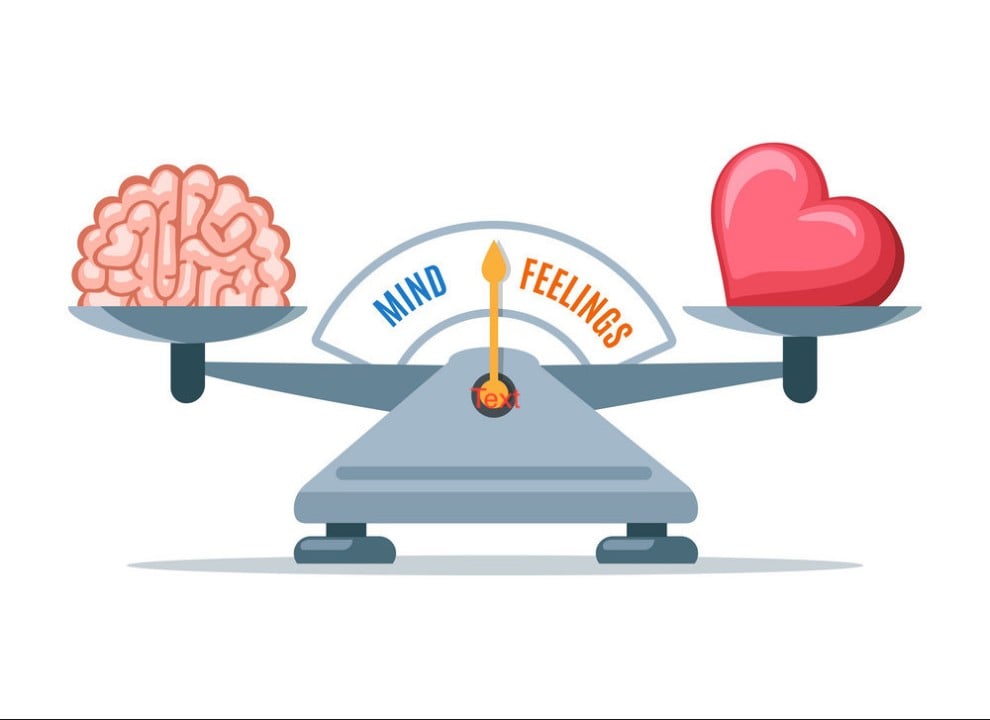
The best home purchase happens where emotion and data overlap.
Emotion keeps you motivated.
You’ll care for the home, enjoy living there, and feel proud of your choice.
Data keeps you protected.
It ensures the home supports your financial and long-term life goals.
How to Balance Both When House Hunting
1. Separate the Tours
Do an emotional walkthrough first.
Then do a second, data-focused visit.
You’ll catch things you missed.
2. Create Two Checklists
-
Heart list: Must-feel items (layout, vibe, natural light).
-
Logic list: Must-meet criteria (price, condition, location metrics).
A good home should satisfy both—maybe not perfectly, but closely.
3. Don’t Make Offers in the Parking Lot
Let the emotional rush settle.
Review comps, costs, and inspection risks before pulling the trigger.
4. Know Your Non-Negotiables
Ask yourself:
-
What would I regret more?
-
Walking away from a house that felt perfect?
-
Or buying a home that strained my budget?
Your answer reveals your buying style.
Bottom Line
Some homes feel right because they match your lifestyle, memories, and imagination. But the best decisions happen when you blend that emotional pull with clear, grounded data.
Buy with your heart—guided by your brain.
Tina Jingru Sui 隋静儒
Associate Broker | Team Leader of TJS Team, Keller Williams
 Serving Metro Atlanta — Johns Creek, Alpharetta, Duluth, Suwanee, Buford, and beyond
 404-375-2120


 WeChat: tinasuirealty
 Follow me on Instagram / 小红书 / WeChat / Facebook