Why Some Renovations Look Great but Age Poorly
Walk into a newly renovated home and it’s easy to be impressed. Fresh paint, trendy finishes, and stylish fixtures can make a space feel instantly appealing. But not all renovations are built to last. Some look amazing on day one—and feel dated or problematic just a few years later.
Trend-Driven Choices Fade Fast
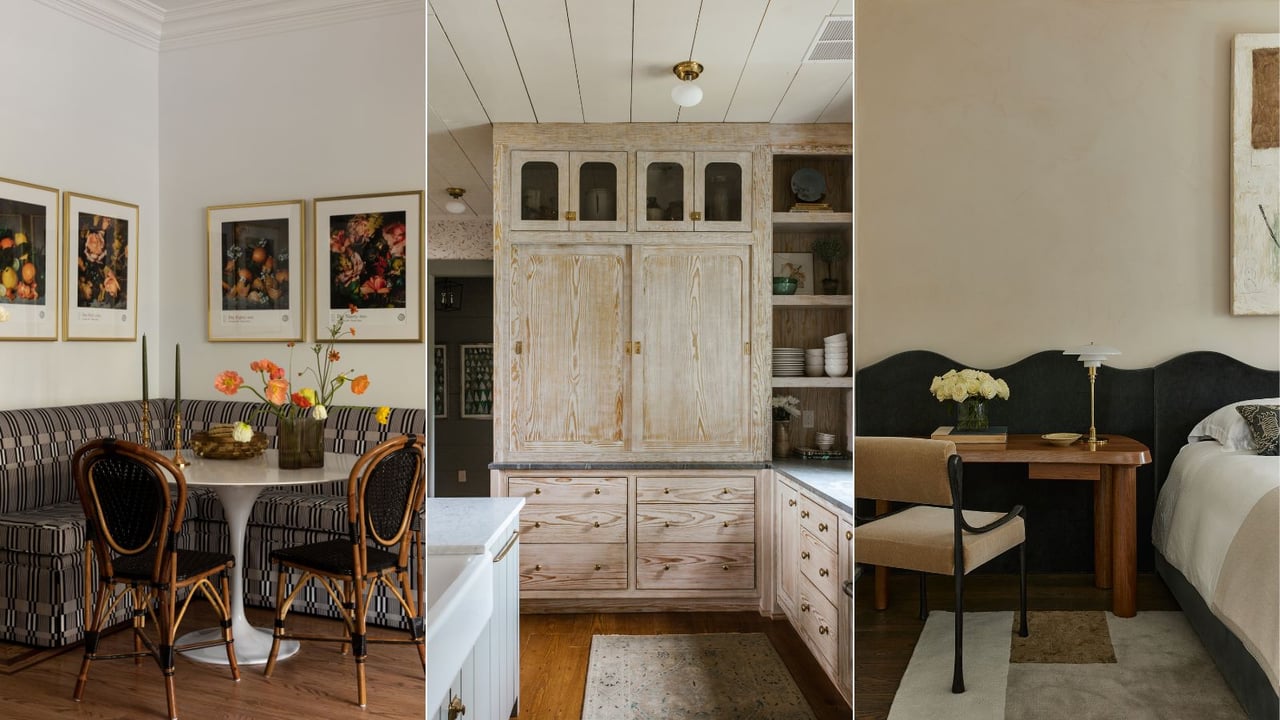
Many renovations focus heavily on what’s popular right now: bold tile patterns, highly specific color palettes, or statement lighting. While these choices photograph well and grab attention online, trends move quickly. What feels modern today can feel tired—or overly specific—much sooner than expected.
Surface Updates vs. Structural Quality
A renovation that prioritizes visible upgrades over underlying systems often ages poorly. New countertops and cabinets won’t matter much if plumbing, electrical, roofing, or HVAC systems are outdated. Buyers eventually notice when the “pretty” updates don’t align with how the home actually functions.
Over-Customization Limits Appeal
Renovations designed for personal taste rather than broad appeal can struggle over time. Highly personalized layouts, unusual materials, or niche design themes may work for one owner but reduce flexibility for future buyers. The more specific the design, the faster it can feel outdated.
Materials Matter More Than Style
Low-quality materials tend to show wear quickly. Cheap flooring, thin cabinetry, or budget fixtures may look fine initially but age poorly under daily use. Quality materials—while less flashy—tend to hold up visually and physically over time.
Layout Changes Without Flow
Some renovations alter layouts without improving function. Removing walls, shifting kitchens, or repurposing rooms can backfire if circulation, storage, or privacy is compromised. Poor flow becomes more noticeable the longer someone lives in the home.
Lighting and Proportions Get Overlooked
Design trends often emphasize finishes but ignore fundamentals like lighting and scale. Oversized fixtures, poorly placed recessed lights, or darkened rooms can make a renovation feel unbalanced as design tastes evolve.
The Resale Reality
Homes that age well usually share one thing: restraint. Timeless finishes, neutral foundations, solid infrastructure, and thoughtful layout choices give a renovation longevity. Buyers tend to pay more for homes that feel current and durable—not just visually impressive.
Final Thoughts
A good renovation isn’t just about looking updated—it’s about lasting relevance. The best upgrades support how people live, adapt to changing tastes, and hold up over time. When renovation decisions balance style with substance, homes don’t just shine at listing—they age gracefully.
--
Tina Jingru Sui 隋静儒
Associate Broker | Team Leader of TJS Team, Keller Williams
 Serving Metro Atlanta — Johns Creek, Alpharetta, Duluth, Suwanee, Buford, and beyond
 404-375-2120


 WeChat: tinasuirealty
 Follow me on Instagram / 小红书 / WeChat / Facebook