In 2026, strategic pricing and positioning are essential for selling your Atlanta home below list price. Use local market trends, expert advice, and effective marketing to attract serious buyers.
---
The real estate market in Atlanta has seen dynamic changes over the years, and 2026 is no exception. As a homeowner in Metro Atlanta, understanding how to price and position your home competitively can make a significant difference in a market where homes often sell below list price. Whether you’re in Fulton, Gwinnett, Cobb, Forsyth, or DeKalb counties, this guide is tailored to provide you with actionable insights and strategies to navigate the market effectively.
Understanding the 2026 Atlanta Market Dynamics
In 2026, the Atlanta housing market presents unique challenges and opportunities. Recent data indicates a trend where many homes are selling below their list prices. This shift can be attributed to various factors, including economic conditions, inventory levels, and buyer behavior. Understanding these dynamics is crucial for homeowners looking to sell.
Economic Conditions and Their Impact
The economic landscape significantly influences real estate trends. In 2026, Atlanta's economy shows moderate growth, but inflation and interest rates have put pressure on buyers’ purchasing power. As a seller, it's essential to consider these factors when pricing your home. A competitive price not only attracts potential buyers but also positions your home as a valuable option in a crowded market.
Inventory Levels and Competition
Inventory levels in Metro Atlanta have risen, giving buyers more options and increasing competition among sellers. To stand out, you need to highlight the unique features of your property and ensure it is priced attractively. Conducting a comparative market analysis (CMA) can provide insights into how similar homes in your area are priced and sold. This analysis helps you set a realistic and competitive price.
Buyer Behavior and Expectations
Buyers in 2026 are well-informed and cautious, often looking for value deals. They have access to extensive online resources, enabling them to compare homes easily. To appeal to these buyers, ensure your home is well-maintained and marketed effectively. Highlight renovations, energy-efficient upgrades, and any unique selling points that differentiate your property.
Setting the Right Price: Strategies and Considerations
Pricing your home correctly is a blend of art and science. It's about understanding market data while also anticipating buyer psychology. Here are some strategies to consider:
Conduct a Thorough Market Analysis
Start by researching recent sales in your neighborhood. Pay attention to homes similar in size, age, and features. Websites like Zillow or Realtor.com can provide valuable insights into current market trends. Consider consulting a local real estate agent who can offer expert guidance and a detailed CMA.
Factor in Home Improvements and Upgrades
If you’ve invested in home improvements, such as a new roof or kitchen remodel, factor these into your pricing strategy. However, be cautious not to overprice. While upgrades add value, they may not always translate to a dollar-for-dollar increase in your home’s market value.
Be Flexible with Pricing
Consider setting an initial price slightly below market value to attract more interest and potentially spark a bidding war. This strategy can lead to offers above the list price, especially if the home is well-presented and marketed effectively.
Effective Marketing: Positioning Your Home for Success
In a competitive market, how you present and market your home is as important as the price. Here’s how to position your home to attract serious buyers:
Professional Photography and Staging
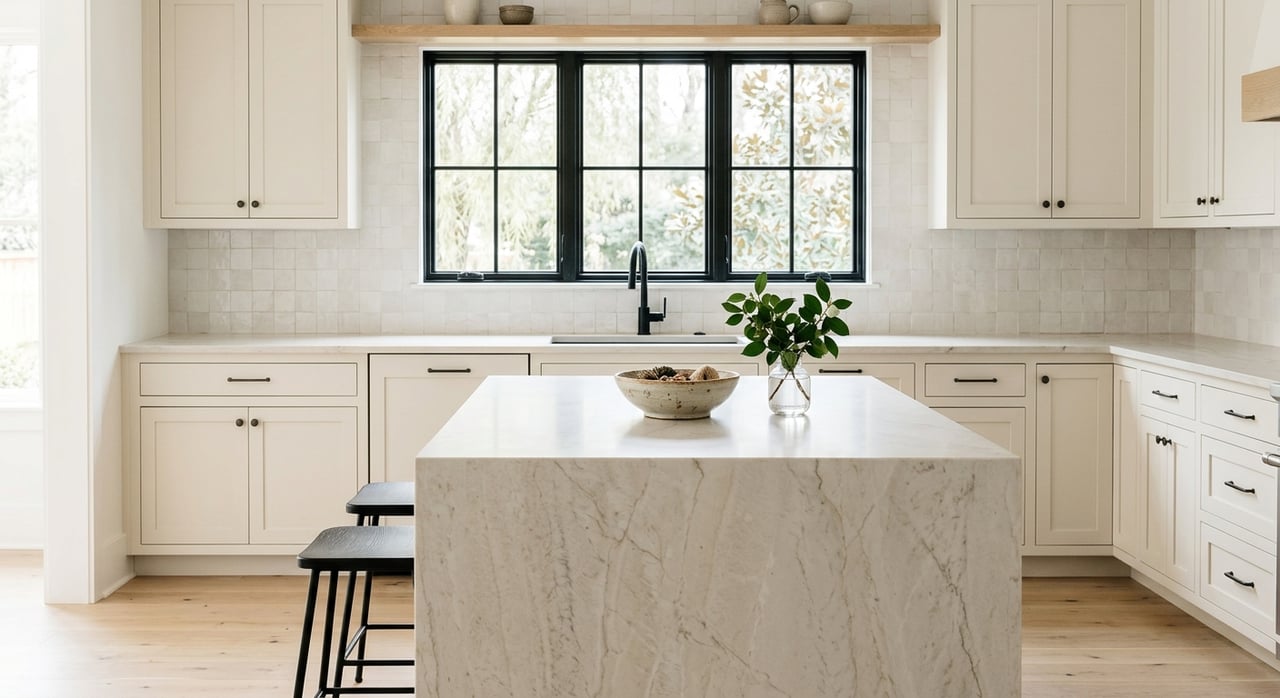
High-quality photos and professional staging can significantly enhance your home’s appeal. In 2026, virtual tours and 3D walkthroughs are increasingly popular, offering potential buyers an immersive experience. Ensure your home is decluttered and staged to highlight its best features.
Leverage Digital Platforms
Online presence is crucial. List your home on major real estate platforms and utilize social media to reach a broader audience. Tailor your listings with engaging descriptions that emphasize unique features and recent upgrades. Consider using targeted ads to reach specific demographics interested in your area.
Open Houses and Private Showings
Hosting open houses and private showings allows buyers to experience your home firsthand. Ensure your home is in pristine condition and create an inviting atmosphere. Offering flexible viewing hours can accommodate different schedules, increasing your pool of potential buyers.
Negotiating Offers: Navigating Below-List Price Deals
Once offers start coming in, effective negotiation is key. Here’s how to handle offers that come in below your list price:
Evaluate Each Offer Carefully
Assess each offer's terms, not just the price. Consider contingencies, closing timelines, and the buyer’s financial stability. A slightly lower offer with fewer contingencies might be more appealing than a higher one with several conditions.
Be Prepared to Counteroffer
Counteroffers are a standard part of negotiations. Be ready to propose a middle ground that reflects your home’s value while remaining attractive to the buyer. Your real estate agent can provide valuable insight into crafting a compelling counteroffer.
Know When to Accept
Understanding your bottom line is crucial. If an offer meets your financial goals and timeline, it might be wise to accept, even if it’s below the initial list price. The goal is to achieve a successful sale that aligns with your objectives.
FAQ Section
What is a Comparative Market Analysis (CMA), and why is it important?
A CMA is a report that evaluates the prices of similar homes in your area to help determine a competitive listing price for your property. It’s crucial because it provides data-driven insights into market trends and helps you set a realistic price.
How can home staging impact the sale of my home?
Home staging enhances your home’s appeal by making it look more inviting and spacious. It can lead to quicker sales and potentially higher offers, as buyers can better envision living in the space.
What should I do if my home isn’t selling?
If your home isn’t selling, consider reassessing your pricing strategy, enhancing your marketing efforts, or making minor improvements to increase its appeal. Consulting with a real estate expert can provide additional strategies tailored to your situation.
---
In conclusion, successfully selling your Atlanta home below list price in 2026 requires a strategic approach. By understanding market dynamics, setting a competitive price, and effectively marketing your home, you can attract serious buyers and achieve a successful sale. As you navigate this process, remember that expert guidance and data-driven decisions are your best allies in this ever-evolving market.
--
Tina Jingru Sui 隋静儒
Associate Broker | Team Leader of TJS Team, Keller Williams
 Serving Metro Atlanta — Johns Creek, Alpharetta, Duluth, Suwanee, Buford, and beyond
 404-375-2120


 WeChat: tinasuirealty
 Follow me on Instagram / 小红书 / WeChat / Facebook