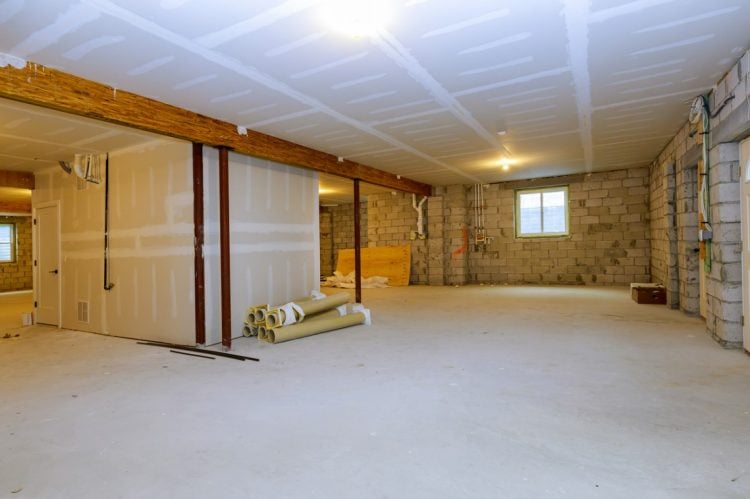
Buying a home with an unfinished basement can feel like you’re standing at a crossroads: is this a smart value play or a future financial headache? In Atlanta and many suburban markets, unfinished basements are common, especially in split-level, traditional, and older homes. The key is knowing how to evaluate the space realistically—before you buy.
Why Unfinished Basements Can Be a Smart Opportunity
1. Lower Entry Price
Homes with unfinished basements typically sell for less than comparable homes with finished space. You’re not paying for square footage you may not need right away, which can make a home more affordable upfront.
2. Customization Potential
An unfinished basement is a blank canvas. You can design it around your lifestyle—home office, gym, guest suite, media room, or storage—rather than inheriting someone else’s layout choices.
3. Long-Term Value Add
When done properly, finishing a basement can increase usable living space and resale appeal. In neighborhoods with limited inventory, a well-finished basement can help a home stand out later.
When an Unfinished Basement Becomes a Money Pit
1. Water and Moisture Problems
The biggest red flag is water. Musty smells, staining on walls or floors, efflorescence, or a constantly running dehumidifier may signal ongoing moisture issues. Waterproofing and drainage repairs can quickly eat up your budget.
2. Structural Concerns
Cracks in foundation walls, uneven floors, or bowing walls may point to deeper issues that go far beyond cosmetic upgrades. Structural repairs can cost more than the value the finished basement would add.
3. Poor Ceiling Height or Layout
Low ceilings, awkward support columns, or limited natural light can make the space hard to use. Even if technically “finished,” it may never feel comfortable as living space.
What Smart Buyers Check Before Making an Offer
-
Exterior grading and drainage away from the home
-
Sump pump and waterproofing systems
-
Ceiling height and egress window potential
-
Electrical panel capacity and plumbing access
-
Local building codes and permit requirements
A professional inspection—sometimes with a basement or structural specialist—is critical.
Budgeting: The Reality Most Buyers Underestimate
Finishing a basement often costs more than expected. In addition to framing and drywall, costs may include waterproofing, insulation, HVAC extensions, electrical upgrades, permits, and inspections. Always compare the total cost against expected resale value in that neighborhood.
How Basements Affect Resale Value
Not all finished basements add equal value. Buyers generally value:
-
Dry, well-lit spaces
-
Legal bedrooms with proper egress
-
Flexible layouts (not overly customized)
Poorly finished or problem-prone basements can actually hurt resale.
Final Takeaway
An unfinished basement is an opportunity only if the foundation is solid, moisture is controlled, and the space can be legally and comfortably finished. Otherwise, it’s safer to treat it as storage—not future living space.
Bottom line: Buy the home for what it offers today, and treat basement potential as a bonus—not a guarantee.
--
Tina Jingru Sui 隋静儒
Associate Broker | Team Leader of TJS Team, Keller Williams
 Serving Metro Atlanta — Johns Creek, Alpharetta, Duluth, Suwanee, Buford, and beyond
 404-375-2120


 WeChat: tinasuirealty
 Follow me on Instagram / 小红书 / WeChat / Facebook