How Interest Rates Really Affect Your Buying Power — A Simple Breakdown
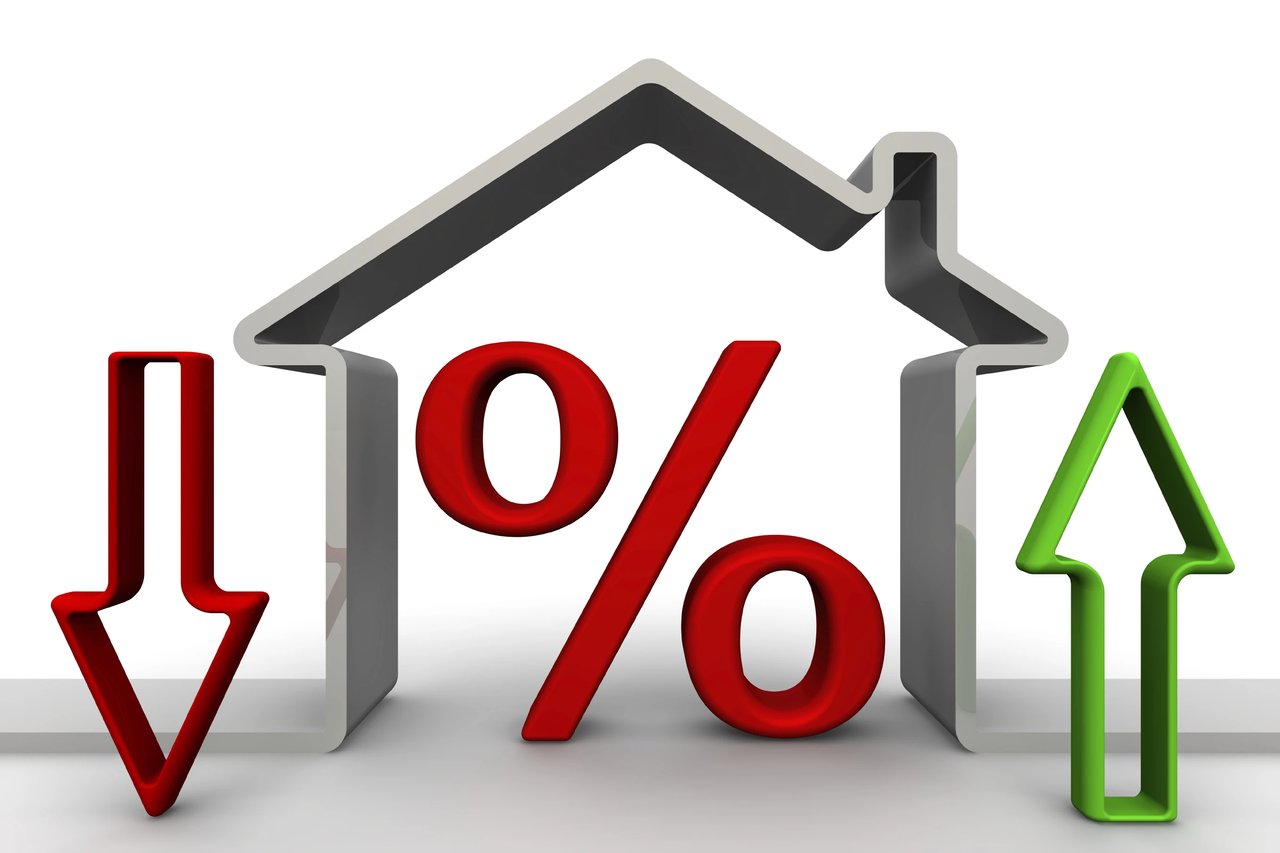
When it comes to buying a home, interest rates aren’t just numbers — they can make a huge difference in what you can afford. Even small changes in rates can impact your monthly payment, the total interest you’ll pay, and ultimately, your buying power. Understanding how rates work helps you make smarter financial decisions.
Here’s a simple breakdown.
1. What “Buying Power” Really Means
Buying power refers to the maximum home price you can afford based on your:
-
Income
-
Debt
-
Savings for a down payment
-
Credit score
-
Current interest rate
Higher interest rates reduce your buying power, while lower rates increase it.
2. How Interest Rates Affect Monthly Payments
Your mortgage payment is made up of:
-
Principal – The amount you borrow
-
Interest – The cost of borrowing
-
Taxes and insurance – Property-related costs
Even a 1% increase in interest rates can raise your monthly payment significantly, meaning you may qualify for a smaller loan.
Example:
-
$300,000 home
-
20% down payment
-
30-year fixed mortgage
| Rate | Monthly Payment (Principal + Interest) |
|---|---|
| 5% | $1,288 |
| 6% | $1,439 |
| 7% | $1,588 |
A 2% increase can add $300/month, impacting what you can afford.
3. Interest Rates Affect Total Loan Cost
Lower rates save you money over the life of the loan.
-
5% on $240,000 loan → ~$186,512 interest over 30 years
-
6% on $240,000 loan → ~$206,016 interest over 30 years
Even a small difference adds tens of thousands of dollars in interest payments.
4. How Rates Influence Your Home Search
When rates rise:
-
You may need to look at lower-priced homes to keep payments manageable
-
You might increase your down payment to reduce the loan amount
-
Adjustable-rate mortgages (ARMs) can become riskier
When rates drop:
-
You may afford a larger home
-
You can lock in lower monthly payments
-
Refinancing existing loans becomes more appealing
5. Don’t Forget Other Costs
Interest rates aren’t the only factor affecting affordability. Consider:
-
Property taxes
-
Homeowners insurance
-
HOA fees (if applicable)
-
Maintenance costs
Even with low rates, these can influence your monthly budget.
6. Timing vs. Personal Readiness
Many buyers try to “time the market” for lower rates, but the best approach is focusing on your readiness:
-
Stable income
-
Adequate savings
-
Good credit
-
Clear budget
Rates fluctuate, but being financially prepared ensures you make the best decision regardless of the current rate environment.
Final Thoughts
Interest rates directly affect both your monthly payment and your long-term affordability. Understanding their impact helps you plan your budget, choose the right loan, and avoid overextending yourself. The key is balancing interest rates with your personal financial readiness — and not letting market shifts rush your decisions.
Tina Jingru Sui 隋静儒
Associate Broker | Team Leader of TJS Team, Keller Williams
 Serving Metro Atlanta — Johns Creek, Alpharetta, Duluth, Suwanee, Buford, and beyond
 404-375-2120


 WeChat: tinasuirealty
 Follow me on Instagram / 小红书 / WeChat / Facebook