How much money should you save before buying a home? The answer is usually more than just the down payment. Buyers should also plan for closing costs, inspections, moving expenses, immediate home expenses, and enough cash reserves to handle life after closing.
How Much Should You Save Before Buying a Home?
Learn how much money you may need for a down payment, closing costs, moving expenses, and emergency savings before buying a home.
Buying a home is one of the biggest financial decisions many people make.
And one of the first questions I hear from buyers is:
“How much money do I actually need before I start looking?”
The down payment is usually the number everyone thinks about first.
But it is only one part of the picture.
Depending on your transaction, you may also need money for:
- Closing costs.
- Home inspection and other due-diligence services.
- Moving expenses.
- Furniture or appliances.
- Immediate repairs or improvements.
- Emergency savings after closing.
The goal isn't simply to have enough money to buy the house.
The goal is to still be financially comfortable after you own it.
What Should Your Homebuying Savings Cover?
Savings Category | Why It Matters |
|---|---|
Down Payment | Reduces the amount you finance and can affect the loan structure and monthly payment |
Closing Costs | Covers lender, appraisal, title-related, prepaid, insurance, and other transaction costs |
Inspection / Due Diligence | Helps you evaluate the condition of the property before moving forward |
Moving Expenses | Movers, supplies, cleaning, storage, utility setup, furniture, and other transition costs |
Emergency Fund | Gives you financial flexibility when an unexpected repair or expense appears after closing |
1. Start With Your Down Payment
The down payment is often the largest upfront expense when buying a home.
Many buyers assume they must put down 20%.
That is not always the case.
Depending on the loan program and your qualifications, a smaller down payment may be available.
For example, on a $400,000 home:
Down Payment | Cash Amount |
|---|---|
5% | $20,000 |
10% | $40,000 |
20% | $80,000 |
A larger down payment can reduce how much you need to borrow and may affect your monthly mortgage costs.
But there is another side to that decision:
Putting more money down also means having less cash available after closing.
A bigger down payment is not automatically the better financial decision.
You also need to consider your monthly payment, available reserves, other debts, and what cash you will need after closing.
2. Don't Forget Closing Costs
Your down payment is separate from your closing costs.
Depending on the financing and transaction, buyer closing costs may include:
- Loan-related fees.
- Appraisal.
- Title-related expenses.
- Recording charges.
- Prepaid taxes or escrow funding.
- Homeowners insurance.
- Other lender or closing expenses.
A commonly used early planning estimate is approximately 2%–5% of the purchase price, but the actual amount can vary significantly based on your loan, lender, insurance, taxes, closing date, and transaction structure.
On a $400,000 home, that broad planning range could be approximately:
$8,000 – $20,000
Example planning range only—not a quote.
Your lender can give you a much more specific estimate based on your financing.
Could the Seller Help With Closing Costs?
Sometimes.
Depending on the market, property, loan program, and strength of your offer, you may negotiate for the seller to contribute toward allowable buyer closing costs.
But seller concessions are negotiable and should never be assumed.
They can also affect the overall economics of the offer, so evaluate the purchase price and concessions together.
3. Keep Money Available for Inspections and Due Diligence
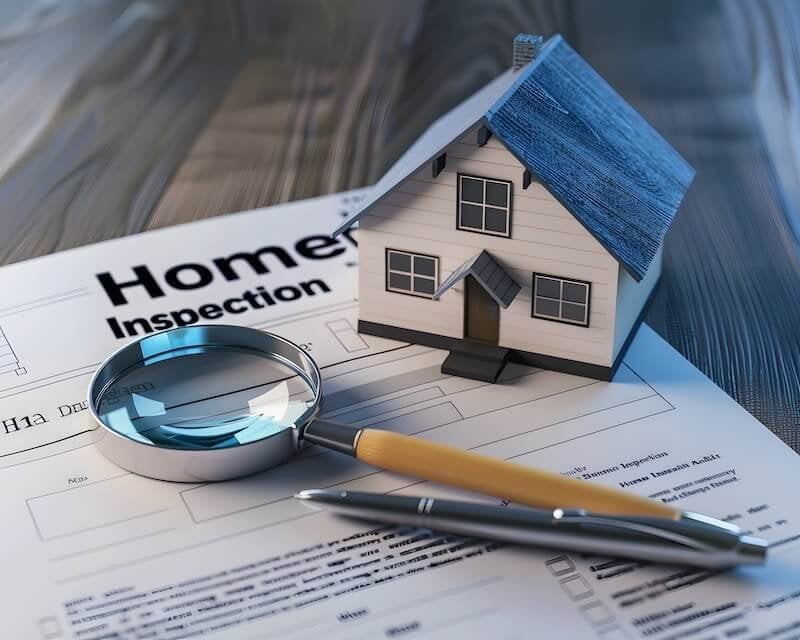
I recommend that buyers plan for inspection and due-diligence expenses separately from the down payment and closing costs.
A general home inspection may evaluate visible and accessible components involving areas such as:
- Roof.
- HVAC.
- Plumbing.
- Electrical systems.
- Foundation and structure.
- Water intrusion or moisture concerns.
- Installed appliances.
Depending on the property, additional specialized evaluations may also make sense.
The amount will vary by property size, inspector, scope, and any additional services you order.
Inspection money isn't wasted if the house turns out to be in good condition.
You're paying for information that can help you make a more informed decision.
4. Save for Moving Expenses
Moving costs are easy to underestimate because many of them happen after you've already spent a significant amount of cash at closing.
Your moving budget may include:
- Professional movers.
- Packing supplies.
- Utility setup or deposits.
- Cleaning.
- Temporary storage.
- Furniture.
- Appliances.
- Immediate household purchases.
Even a relatively simple local move can create more expenses than expected.
Having cash set aside is usually much more comfortable than buying a house and immediately putting furniture and moving costs on credit cards.
5. Keep an Emergency Fund After Closing
One of the biggest mistakes a buyer can make is spending almost every available dollar just to get through closing.
The house doesn't stop costing money when you receive the keys.
A homeowner can suddenly face:
- An HVAC repair
- A water-heater replacement
- A plumbing leak
- An appliance failure
- An unrelated personal emergency
Many financial-planning guidelines suggest maintaining several months of essential expenses as emergency savings, but the right reserve depends on your income stability, debts, household expenses, property condition, and risk tolerance.
Buying a home with $0 left in the bank can turn a normal repair into a financial emergency.
6. Budget for the Full Monthly Housing Cost
Your mortgage principal and interest are not your only monthly housing expenses.
Depending on the home and financing, also consider:
- Property taxes.
- Homeowners insurance.
- HOA or condominium fees.
- Mortgage insurance, if applicable.
- Utilities.
- Routine maintenance.
Mortgage + Taxes + Insurance + HOA + Maintenance + Utilities
That is a much more useful number when deciding whether a home fits your life.
7. Don't Empty Your Savings Just to Buy a Bigger Home
It can be tempting to use every available dollar for the largest possible down payment.
But that may leave you with very little flexibility afterward.
In some situations, buying a slightly less expensive home—or using a smaller down payment under an appropriate loan structure—may allow you to keep more cash available for:
- Emergency repairs.
- Furniture.
- Home improvements.
- Moving costs.
- Other financial goals.
The goal isn't simply to buy the house.
The goal is to comfortably own the house.
8. Your Loan Approval Is Not Necessarily Your Personal Budget
A lender can tell you what you may qualify to borrow under its underwriting guidelines.
That doesn't automatically tell you what monthly payment will feel comfortable.
Your personal budget may also need room for:
- Childcare.
- Student loans.
- Car payments.
- Travel.
- Retirement contributions.
- Savings goals.
- Other lifestyle expenses.
“I qualify for it” and “I am comfortable paying for it” are two different questions.
A Simple $400,000 Home Savings Example
Suppose you're considering buying a $400,000 home and planning a 10% down payment.
Expense | Example Amount |
|---|---|
10% Down Payment | $40,000 |
Estimated Closing-Cost Planning Range | $8,000–$20,000 |
Inspection / Other Due-Diligence Services | Varies |
Moving Expenses | Varies |
Emergency Fund After Closing | Depends on your budget |
Total Savings Goal | More than the $40,000 down payment |
These figures are examples for planning purposes only. Actual down-payment requirements, closing costs, prepaid expenses, inspection costs, lender requirements, and other transaction expenses vary.
The Homebuying Savings Test
Before making an offer, ask yourself:
☐ Do I have enough for my planned down payment?
☐ Have I budgeted separately for closing costs?
☐ Can I comfortably pay for inspections and due diligence?
☐ Do I have money for moving expenses?
☐ Will I still have an emergency fund after closing?
☐ Can I comfortably afford the monthly mortgage payment?
☐ Have I included property taxes and insurance?
☐ Have I included HOA or condo fees if applicable?
☐ Could I handle an unexpected home repair?
☐ Am I buying based on my budget—not simply my maximum loan approval?
Frequently Asked Questions
Do I need 20% down to buy a home?
Not necessarily. Down-payment requirements vary by loan program and borrower qualifications. Some qualified buyers may purchase with significantly less than 20% down. A licensed mortgage professional can explain the programs available for your situation.
Is my down payment the same as my closing costs?
No. The down payment is the portion of the purchase price you contribute toward the home. Closing costs are separate transaction expenses, although the exact cash needed at closing depends on the loan and contract.
Should I use all my savings for my down payment?
Not automatically. Keeping adequate cash reserves after closing can provide important flexibility for repairs, moving expenses, emergencies, and other financial goals.
How much should I keep after closing?
There is no single amount that works for every buyer. Consider your household expenses, income stability, debt obligations, property condition, expected repairs, and personal risk tolerance when deciding how much emergency savings you want to maintain.
Final Thoughts
There is no single savings number that works for every homebuyer.
Some buyers may prefer a smaller down payment and larger cash reserves.
Others may prefer a larger down payment to reduce the amount they finance.
What matters is preparing for the full cost of buying and owning the home.
Before shopping seriously, understand:
Down payment + Closing costs + Due diligence + Moving + Monthly expenses + Emergency reserves.
And don't let the maximum amount you are approved to borrow become the automatic amount you spend.
Your home should fit into your financial life.
Your entire financial life should not have to disappear into your home.
Thinking About Buying a Home in Metro Atlanta?
Before we start touring homes, we can help you think through the complete purchase—not just the list price. That includes your target price range, expected monthly housing cost, property condition, potential HOA expenses, inspection considerations, and how different homes fit your overall budget.
Tina Jingru Sui | TJS Team
About Tina Jingru Sui
Tina Jingru Sui is the founder and leader of the TJS Team, serving buyers, sellers, investors, and relocation clients throughout Metro Atlanta.
Tina and her team serve communities including Johns Creek, Alpharetta, Suwanee, Duluth, Buford, Marietta, Roswell, Sandy Springs, and surrounding Metro Atlanta areas.
Keller Williams Atlanta Partners · (404) 375-2120
This article is provided for general informational purposes only and does not constitute legal, tax, mortgage, investment, financial-planning, or accounting advice. Loan programs, down-payment requirements, mortgage insurance, interest rates, lender guidelines, closing costs, seller concessions, taxes, insurance, HOA fees, and other expenses vary by borrower, property, loan program, and transaction and are subject to change. The 2%–5% closing-cost range and other figures in this article are general planning examples and are not quotes or guarantees. Buyers should obtain property- and loan-specific estimates from licensed mortgage, insurance, closing, tax, and other appropriate professionals. Equal Housing Opportunity. Tina Jingru Sui, GA License #392936, REALTOR®, affiliated with Keller Williams Atlanta Partners and regulated by the Georgia Real Estate Commission.