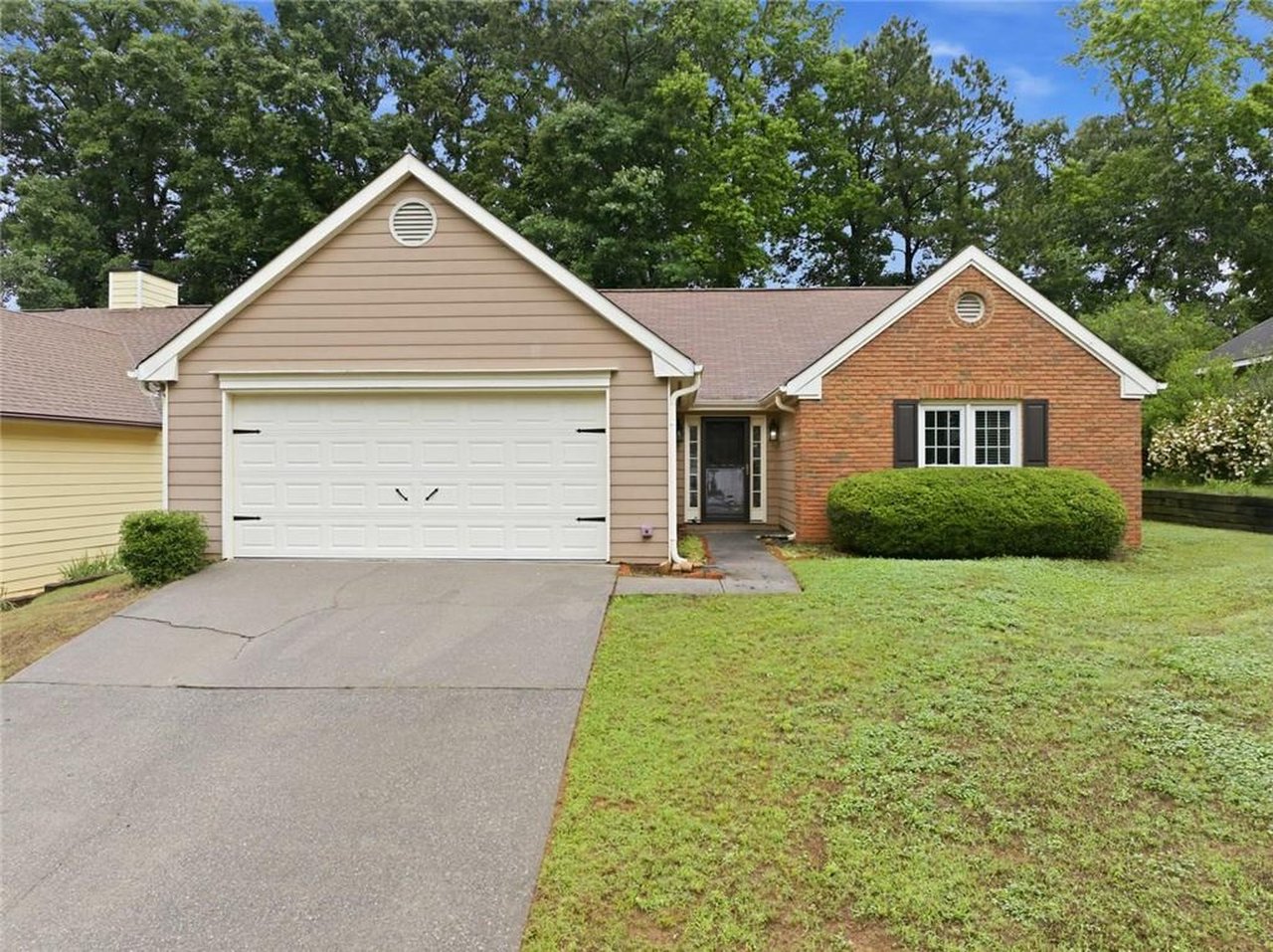
The house was a 1989 ranch in the Hunters Creek community of Lawrenceville, in Gwinnett County — three bedrooms, two full baths, 1,653 square feet on a level lot just under a fifth of an acre, with vaulted ceilings, hardwood floors, a fireplace in the family room and a fenced back yard. We represented the seller. Closing was set for Friday morning at nine o'clock.
At three minutes before seven on Thursday evening, an email came in from inside the house. The buyer's side was standing in it, doing the final walk-through, and the water heater was making a loud, persistent noise while it ran. Worse than the noise: the water got hot, and then it stopped staying hot. They attached a video so we could hear it, and asked that the seller address the problem and confirm the unit was working properly before closing.
Fifteen hours. That is what was left.
The walk-through is the last place a deal can break
Most sellers brace for the inspection. That is the famous one — the long report, the repair requests, the negotiation. By the time you are a day out from the table, the inspection is ancient history and everyone has relaxed.
That is exactly the problem. The final walk-through is not a formality and it is not a second inspection. It exists to confirm one thing: that the house is in the condition the contract says it will be in, and that everything that was working still works. It usually happens in the last twenty-four hours, which means anything it turns up has to be solved with almost no time and with every other moving part already locked down.
A water heater is a good example of why this is genuinely hard. It is not cosmetic and nobody is going to wave it through. It is also not something you fix at eight o'clock on a Thursday night. And a buyer who has just watched hot water go cold in a house they are buying tomorrow does not want a promise — they want the problem handled, in writing, before they wire their money.
What the evening actually looked like
Here is the sequence, because the sequence is the point.
Thursday, 6:57 p.m. The walk-through email arrives with video attached. Our transaction coordinator, who had scheduled the walk-through two days earlier, is copied, and so is our team.
Thursday evening. The seller has to be reached that night. Not first thing Friday — that night. This is the part that is not on any checklist and is the whole job: knowing that a defect raised at seven o'clock the night before a nine o'clock closing has to be answered while people are still awake, because the alternative is a table full of people at nine in the morning with nothing to sign.
Thursday, 9:32 p.m. An amendment goes out for signature, with a note that closing is the next morning and a request to turn it around that evening.
Thursday, around 10:00 p.m. It comes back executed.
Friday, 9:00 a.m. The file closes on time.
And that was only the evening. The same afternoon had already carried three separate revisions to the settlement statement — the original, then a revision when a lender credit was added, then a third once the lender's own amendments came through — all between roughly noon and two o'clock. Clear-to-close from the lender landed just before four. A file that looked finished on Wednesday moved four times on Thursday.
What this means if you are selling
None of the above is unusual. It is what the last day of a residential transaction looks like more often than not, and almost none of it is visible from the outside. What you can do is reduce the number of things that can go wrong in the window where there is no time left.
- Leave the utilities on through closing. Every year somebody schedules the power or the gas to cut the day before, and then the walk-through cannot confirm that the HVAC, the water heater or the appliances work — which is functionally the same as them not working. Schedule the shutoff for the day after closing.
- Run the mechanical systems yourself two days before the walk-through. Turn on the hot water and leave it running. Run the heat and the air. Open and close the garage door. Test the disposal. You are looking for exactly what the buyer will be looking for, and you want to find it while there is still a weekday left to call somebody.
- If you have had anything serviced, keep the receipt where you can reach it in five minutes. A dated invoice for the same system the buyer is asking about changes a negotiation into a document.
- Be reachable the night before closing. Not for anything dramatic — usually it is a signature. An amendment that sits unread until morning is the single most common reason a closing moves, and the fix costs you one evening of keeping your phone on.
- Expect the settlement statement to change, probably more than once. The version you get first is rarely the final one, because credits and lender amendments land late by nature. Read every version rather than assuming the last one you saw is current, and ask about anything that moved.
The part worth saying plainly
Nothing here required heroics. It required somebody being awake, reading their email at seven o'clock on a Thursday evening, understanding immediately that this was not a tomorrow problem, and getting an answer negotiated and signed before ten. That is most of what a listing agent is actually for in the last week of a transaction — not the marketing, not the photos, but knowing which of the day's twelve emails is the one that can cost you the closing.
If you are thinking about selling in Lawrenceville, Dacula, Suwanee, Buford or anywhere across Gwinnett County, and you want somebody who will tell you where the real risk sits rather than where it feels like it sits, that is the conversation we have. We work with buyers, sellers and investors across Gwinnett, Forsyth, North Fulton, Cobb and DeKalb counties, in English and Mandarin, with about a hundred closings a year at Keller Williams Atlanta Partners.