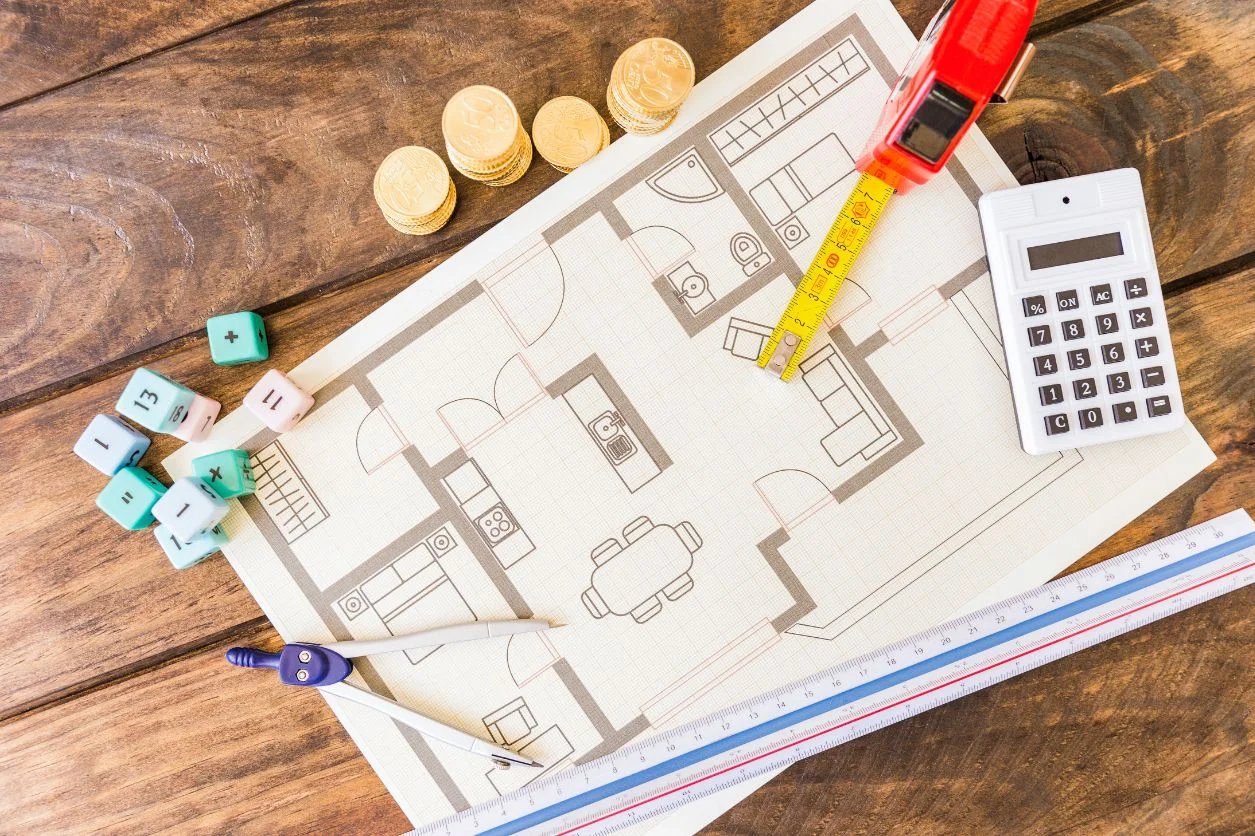
How to Calculate the True Cost of Owning a Home
SEO Title: How to Calculate the True Cost of Owning a Home
SEO Subtitle: Learn how to calculate the full cost of homeownership beyond your mortgage payment, including taxes, insurance, maintenance, utilities, and HOA fees
Buying a home is one of the biggest financial decisions most people make. While many buyers focus on the purchase price and monthly mortgage payment, the true cost of owning a home goes far beyond principal and interest.
Property taxes, homeowners insurance, maintenance, utilities, HOA fees, and unexpected repairs can all add to your monthly and annual expenses. Understanding these costs before buying can help you choose a home that fits comfortably within your budget.
So, how do you calculate the true cost of owning a home?
Start With Your Mortgage Payment
Your mortgage payment is usually the largest recurring housing expense.
A typical mortgage payment may include:
- Principal
- Interest
- Property taxes
- Homeowners insurance
Some homeowners also have mortgage insurance, depending on their loan and down payment.
When comparing homes, don't look only at the listing price. Estimate the complete monthly payment.
Calculate Your Property Taxes
Property taxes are an important part of homeownership costs.
Your annual property tax depends on factors such as:
- Property value
- Local tax rates
- County and city assessments
- Applicable exemptions
In Metro Atlanta, property taxes can vary significantly from one county or municipality to another.
Before purchasing, buyers should research the property's current tax bill and understand that future assessments may change.
Include Homeowners Insurance
Homeowners insurance helps protect your property against certain covered losses and may also provide liability protection.
Insurance premiums can vary based on:
- Property location
- Home age
- Construction
- Coverage limits
- Deductible
- Claims history
- Insurance market conditions
Ask for an insurance quote before finalizing your purchase so you have a realistic estimate of your monthly housing expenses.
Don't Forget HOA Fees
If you're purchasing a home in a community with a homeowners association, HOA dues should be included in your budget.
HOA fees may help pay for:
- Common-area maintenance
- Community amenities
- Landscaping
- Pools
- Clubhouses
- Neighborhood management
Always review the HOA's rules, fees, financial documents, and any planned assessments before buying.
Budget for Maintenance
Maintenance is one of the biggest expenses buyers often overlook.
Homeowners may need to pay for:
- HVAC servicing
- Landscaping
- Plumbing repairs
- Appliance maintenance
- Gutter cleaning
- Pest control
- Exterior maintenance
Even when nothing major breaks, routine maintenance costs money.
Plan for Major Repairs
In addition to routine maintenance, homeowners eventually face larger expenses.
Potential major repairs include:
- Roof replacement
- HVAC replacement
- Water heater replacement
- Exterior painting
- Plumbing repairs
- Electrical upgrades
A home with an older roof or HVAC system may have a lower purchase price but higher future ownership costs.
Consider Utilities
Utilities can vary significantly depending on the size, age, and efficiency of the property.
Potential monthly expenses include:
- Electricity
- Natural gas
- Water
- Sewer
- Trash
- Internet
- Security systems
Larger homes generally require more energy to heat and cool.
When touring a property, consider asking the seller for recent utility information when available.
Understand the Cost of Furnishing Your Home
Moving into a new home can involve more expenses than expected.
Buyers may need:
- Furniture
- Window treatments
- Appliances
- Lighting
- Décor
- Outdoor furniture
These costs are usually not included in the mortgage payment but can significantly affect your first-year budget.
Consider Closing Costs
The purchase price is not the only upfront cost.
Buyers may encounter expenses such as:
- Loan-related fees
- Appraisal fees
- Inspection fees
- Title-related costs
- Prepaid taxes
- Prepaid insurance
- Recording fees
Closing costs vary by transaction, loan type, and location.
Ask your lender for a detailed estimate early in the process.
Calculate Your Initial Cash Requirement
Before making an offer, determine how much cash you'll need to complete the purchase.
Your upfront costs may include:
Down Payment + Closing Costs + Inspection/Appraisal Costs + Moving Expenses + Initial Repairs
Having enough cash after closing is important. Avoid putting every available dollar into the purchase and leaving yourself without an emergency reserve.
Create a Home Maintenance Reserve
One practical strategy is to set aside money regularly for future repairs.
For example, you might create a dedicated savings account for:
- Roof repairs
- HVAC replacement
- Appliance replacement
- Plumbing issues
- Emergency maintenance
The appropriate amount depends on the age, condition, and size of the home.
Consider Your Commute
Transportation costs are another part of the true cost of homeownership.
A less expensive home farther from work may cost more in:
- Gas
- Vehicle maintenance
- Tolls
- Parking
- Time
A home closer to work or frequently used amenities may have a higher purchase price but lower transportation costs.
Look at the Cost Per Year
Instead of thinking only about your monthly payment, estimate your annual housing expenses.
For example:
Annual Homeownership Cost = Mortgage + Property Taxes + Insurance + HOA + Utilities + Maintenance + Other Recurring Costs
This provides a clearer picture of what the property will actually cost you each year.
Don't Rely on the "28% Rule" Alone
Some buyers hear that housing costs should stay below a certain percentage of income.
While budgeting guidelines can be useful, they don't account for every household's circumstances.
Consider your:
- Income
- Debt
- Savings
- Childcare costs
- Transportation
- Healthcare
- Retirement contributions
- Lifestyle expenses
A home that technically fits a guideline may still feel financially uncomfortable.
Consider Future Changes in Your Budget
Your financial situation may change after purchasing.
Think about:
- Career changes
- Family growth
- Education expenses
- Retirement
- Potential relocation
A home should ideally remain affordable even if your financial circumstances change.
Calculate the Long-Term Cost
If you plan to own the home for many years, consider the bigger picture.
Over time, you may experience:
- Mortgage principal reduction
- Property appreciation
- Increasing property taxes
- Rising insurance costs
- Maintenance expenses
Homeownership is both a cost and a potential long-term wealth-building opportunity.
Don't Forget the Potential Benefits of Homeownership
While owning a home involves significant expenses, homeowners may also benefit from:
- Building equity
- Potential appreciation
- Greater housing stability
- Greater control over the property
- Potential tax benefits depending on individual circumstances
The financial outcome depends on the property, financing, market conditions, and length of ownership.
Example of a Homeownership Budget
Imagine a home has an estimated monthly cost of:
- Mortgage principal and interest: $2,200
- Property taxes: $400
- Homeowners insurance: $150
- HOA: $100
- Utilities: $300
- Maintenance reserve: $250
The estimated monthly cost would be approximately $3,400.
This is why buyers should look beyond the advertised mortgage payment when determining affordability.
Actual costs will vary by property and household.
Metro Atlanta Buyers Should Compare More Than Purchase Price
In Metro Atlanta, two homes with similar purchase prices can have very different ownership costs.
For example, buyers may need to compare:
- County property taxes
- HOA fees
- Home age
- Insurance costs
- Lot size
- Energy efficiency
- Commute distance
- Future repair needs
These differences can have a meaningful impact on the overall cost of ownership.
How TJS Team Helps Buyers Evaluate Total Home Costs
At TJS Team, we help buyers look beyond the listing price and understand the broader financial picture.
We can help you evaluate:
- Purchase price
- Comparable sales
- Property taxes
- HOA considerations
- Home condition
- Neighborhood characteristics
- Potential maintenance concerns
We can also help connect buyers with qualified lenders, inspectors, insurance professionals, and other specialists who can provide more specific cost estimates.
Final Thoughts
The true cost of owning a home is much more than the monthly mortgage payment. Buyers should account for property taxes, homeowners insurance, HOA fees, utilities, maintenance, repairs, closing costs, and other expenses before deciding how much home they can comfortably afford.
Taking the time to calculate these costs can help you avoid financial surprises and choose a home that fits your lifestyle and long-term goals.
If you're considering buying a home in Metro Atlanta, TJS Team can help you evaluate your options, understand local market conditions, and make a confident homebuying decision.
--
Tina Jingru Sui 隋静儒
Associate Broker | Team Leader of TJS Team, Keller Williams
Serving Metro Atlanta — Johns Creek, Alpharetta, Duluth, Suwanee, Buford, and beyond
404-375-2120
WeChat: tinasuirealty
Follow me on Instagram / 小红书 / WeChat / Facebook