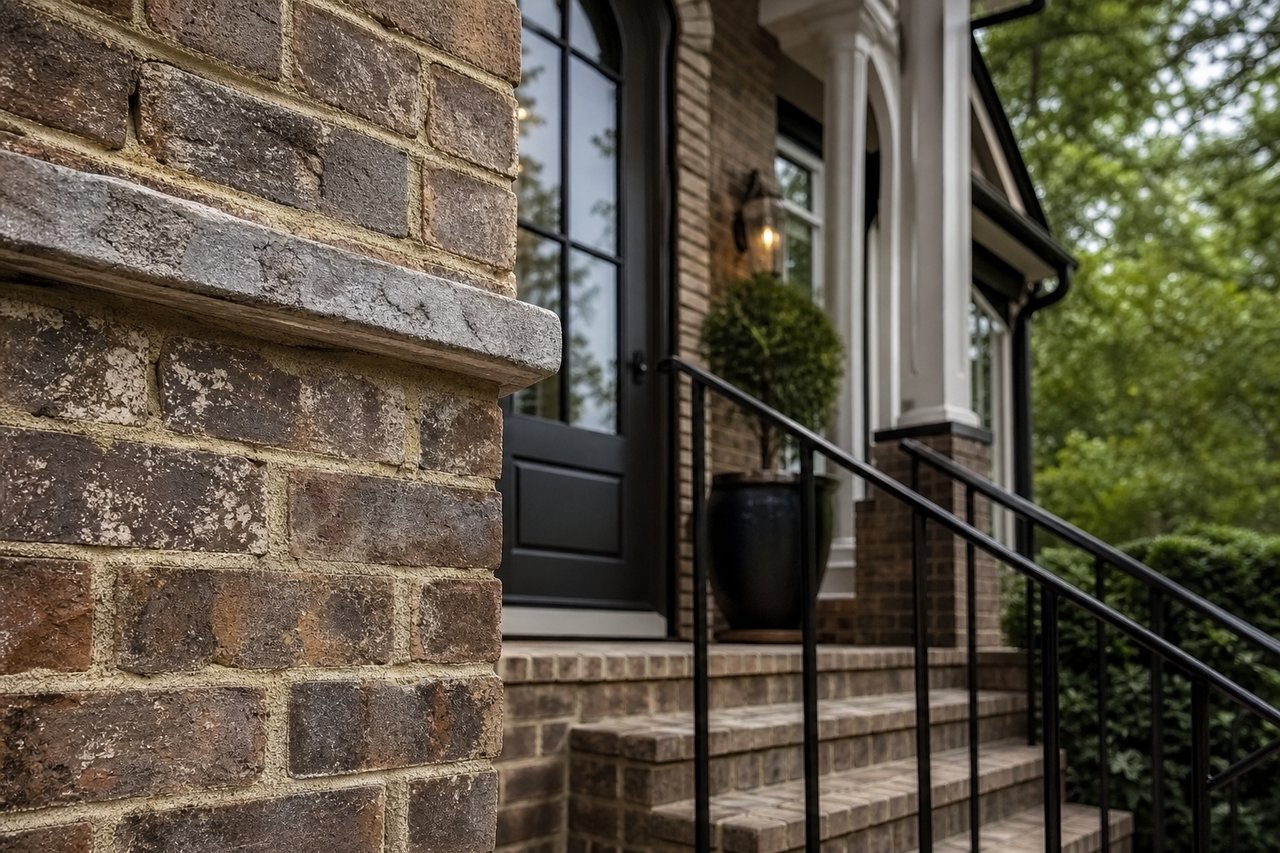
How to Create a Realistic Budget for Homeownership
Buying a home is an exciting milestone, but homeownership involves more than just making a monthly mortgage payment. Creating a realistic budget before you purchase can help you manage expenses, avoid financial stress, and enjoy your new home with greater confidence.
Whether you're a first-time buyer or planning your next move in Metro Atlanta, understanding the full cost of homeownership is an essential part of making a smart financial decision.
1. Determine Your Monthly Income
Start by calculating your reliable monthly household income.
Include:
- Salary or wages
- Self-employment income
- Bonuses (if consistent)
- Other dependable income sources
Knowing your available income provides the foundation for building a realistic housing budget.
2. Understand Your Mortgage Payment
Your monthly mortgage payment typically includes more than just repayment of the loan.
It may include:
- Principal
- Interest
- Property taxes
- Homeowners insurance
Review these components carefully to understand your expected monthly housing costs.
3. Plan for Your Down Payment
Your down payment is one of the largest upfront expenses when buying a home.
Consider:
- How much you've saved
- Your emergency fund
- Other upcoming financial goals
Remember that different loan programs may have different down payment requirements.
4. Budget for Closing Costs
In addition to the down payment, buyers should prepare for closing costs.
These may include:
- Loan-related fees
- Title services
- Attorney or settlement fees (where applicable)
- Recording fees
- Prepaid taxes and insurance
Ask your lender for a loan estimate so you understand the expected costs before closing.
5. Account for Property Taxes
Property taxes are an ongoing cost of homeownership.
The amount varies depending on:
- Property value
- Local tax rates
- County or city
Be sure to include estimated property taxes in your monthly budget.
6. Include Homeowners Insurance
Most mortgage lenders require homeowners insurance.
The cost depends on factors such as:
- Home value
- Coverage limits
- Property location
- Insurance provider
Compare quotes from several insurers to find coverage that meets your needs.
7. Prepare for Maintenance and Repairs
Every home requires routine maintenance.
Common annual expenses may include:
- HVAC servicing
- Plumbing repairs
- Roof maintenance
- Landscaping
- Appliance repairs
- Exterior upkeep
Many homeowners set aside money each month for future maintenance to avoid unexpected financial strain.
8. Consider Utility Costs
Monthly utility expenses can vary depending on the size, age, and efficiency of the home.
Common utilities include:
- Electricity
- Natural gas
- Water
- Sewer
- Trash collection
- Internet
Ask the seller, when appropriate, about typical utility costs to help estimate your future expenses.
9. Review HOA Fees
If you're purchasing a home in a community with a Homeowners Association (HOA), include monthly or annual dues in your budget.
HOA fees may help cover:
- Community maintenance
- Amenities
- Landscaping
- Shared facilities
Review what the HOA fee includes before purchasing.
10. Don't Forget Moving Expenses
Moving costs can add up quickly.
Budget for:
- Moving company fees
- Packing supplies
- Utility transfers
- New furniture (if needed)
- Cleaning services
Planning ahead helps reduce unexpected expenses during your move.
11. Maintain an Emergency Fund
Unexpected expenses can happen at any time.
An emergency fund can help cover:
- Major repairs
- Temporary income changes
- Appliance replacements
- Insurance deductibles
Having savings available provides additional financial security after becoming a homeowner.
12. Avoid Becoming "House Poor"
Just because you qualify for a certain loan amount doesn't necessarily mean you should spend the maximum.
Leave room in your budget for:
- Retirement savings
- Travel
- Family expenses
- Education
- Entertainment
- Unexpected costs
Choosing a home that comfortably fits your budget can help support your long-term financial well-being.
13. Review Your Spending Habits
Before purchasing a home, evaluate your current monthly expenses.
Look for:
- Recurring subscriptions
- Dining out
- Entertainment spending
- Debt payments
- Savings goals
Understanding your spending habits can help you determine a comfortable monthly housing budget.
14. Revisit Your Budget Regularly
Your financial situation may change over time.
Review your budget annually or after major life events such as:
- A new job
- Marriage
- Growing your family
- Paying off debt
Regular updates help keep your finances aligned with your goals.
15. Work With Experienced Professionals
Creating a realistic homeownership budget is easier with guidance from trusted professionals.
An experienced Metro Atlanta real estate professional can help you:
- Understand local housing costs
- Compare neighborhoods within your budget
- Estimate ongoing ownership expenses
- Connect you with trusted mortgage lenders
- Guide you through the buying process from start to finish
Working with knowledgeable professionals can help you make confident financial decisions.
Final Thoughts
A realistic homeownership budget goes beyond the monthly mortgage payment. By planning for property taxes, insurance, maintenance, utilities, HOA fees, closing costs, and unexpected expenses, you can prepare for the true cost of owning a home and avoid financial surprises.
If you're planning to purchase a home in Metro Atlanta, taking the time to build a thoughtful budget—and partnering with an experienced local real estate professional—can help you find a home that fits both your lifestyle and your long-term financial goals. Careful planning today can lead to a more enjoyable and sustainable homeownership experience for years to come.
--
Tina Jingru Sui 隋静儒
Associate Broker | Team Leader of TJS Team, Keller Williams
Serving Metro Atlanta — Johns Creek, Alpharetta, Duluth, Suwanee, Buford, and beyond
404-375-2120
WeChat: tinasuirealty
Follow me on Instagram / 小红书 / WeChat / Facebook