How to Identify a Home With Strong Resale Potential
Buying a home isn’t just about where you’ll live today. It’s also about how easily — and how profitably — you can sell it in the future.
Strong resale potential doesn’t happen by accident. It’s built on structure, location, demand patterns, and buyer psychology.
If you want to protect your equity and position yourself well for the future, here’s how to evaluate a home beyond surface appeal.
1. Start With the Location Fundamentals
You’ve heard it before: location matters. But what specifically makes a location resale-strong?
Look for areas with:
-
Consistent job access
-
Established school districts
-
Proximity to retail and daily essentials
-
Limited oversupply of new construction
-
Strong neighborhood identity
For example, established suburbs like Marietta and Woodstock often maintain steady buyer demand because they combine accessibility with community stability.
The key question:
Will people still want to live here 10–15 years from now?
If the answer is clearly yes, resale strength increases.
2. Choose Layout Over Luxury
High-end finishes are attractive. But layout is what protects value.
Homes with strong resale potential typically have:
-
3–4 bedrooms (broad buyer appeal)
-
At least 2 full bathrooms
-
Functional kitchen placement
-
Clear separation between living and sleeping areas
-
Flexible space (office, bonus room, basement)
Avoid ultra-custom layouts that only appeal to a niche buyer.
The broader the appeal, the stronger the resale.
3. Stay Within the Neighborhood Price Range
One of the biggest resale mistakes is over-improving for the area.
If your home is the most expensive property on the block, appreciation can become limited.
Strong resale candidates:
-
Sit comfortably within neighborhood price ranges
-
Match surrounding home sizes and styles
-
Don’t dramatically exceed local norms
Buyers compare homes side-by-side. If yours feels aligned with market expectations, it sells more easily.
4. Evaluate Supply and Demand Trends
Resale strength is heavily influenced by supply dynamics.
Look at:
-
How many homes are currently listed?
-
How long are they sitting on market?
-
Are prices being reduced?
-
Are multiple offers still happening?
Areas with balanced or limited inventory tend to support stronger resale values.
Oversupplied neighborhoods, especially large new-construction communities, may face price pressure during slower markets.
5. Look for Timeless Design, Not Trendy Design
Design trends age quickly.
Timeless features that protect resale:
-
Neutral color palettes
-
Natural light
-
Simple cabinetry styles
-
Hardwood or durable flooring
-
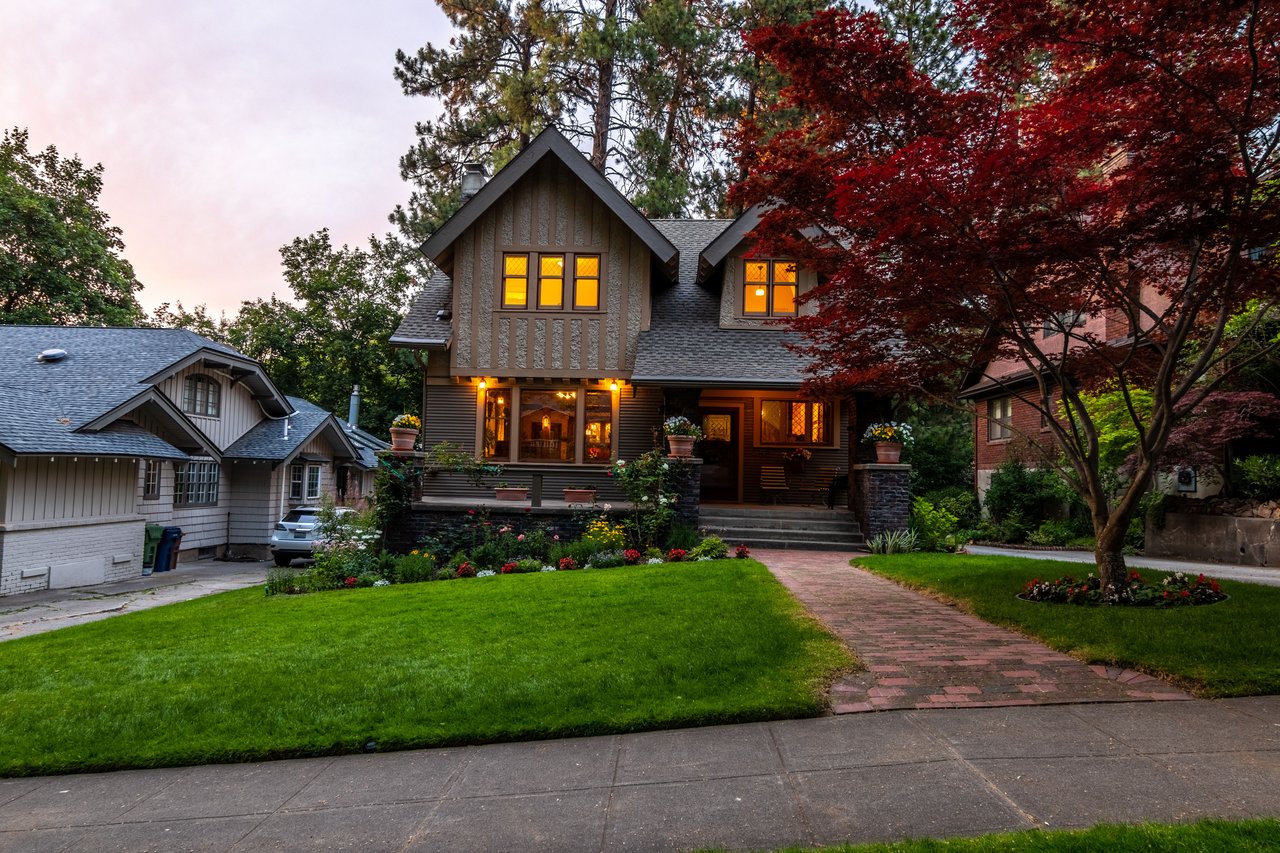
Clean exterior lines
Buyers may update finishes. But structural design flaws are harder to fix.
Choose structure over style.
6. Assess Long-Term Livability
Ask yourself:
-
Could this home support remote work?
-
Would it work for a growing family?
-
Could someone age in place here?
-
Is there enough storage?
Homes that adapt to life changes appeal to wider buyer pools.
The more life stages a property can support, the stronger its resale potential.
7. Check Infrastructure and Maintenance History
Resale value is protected by invisible strength.
Before buying, evaluate:
-
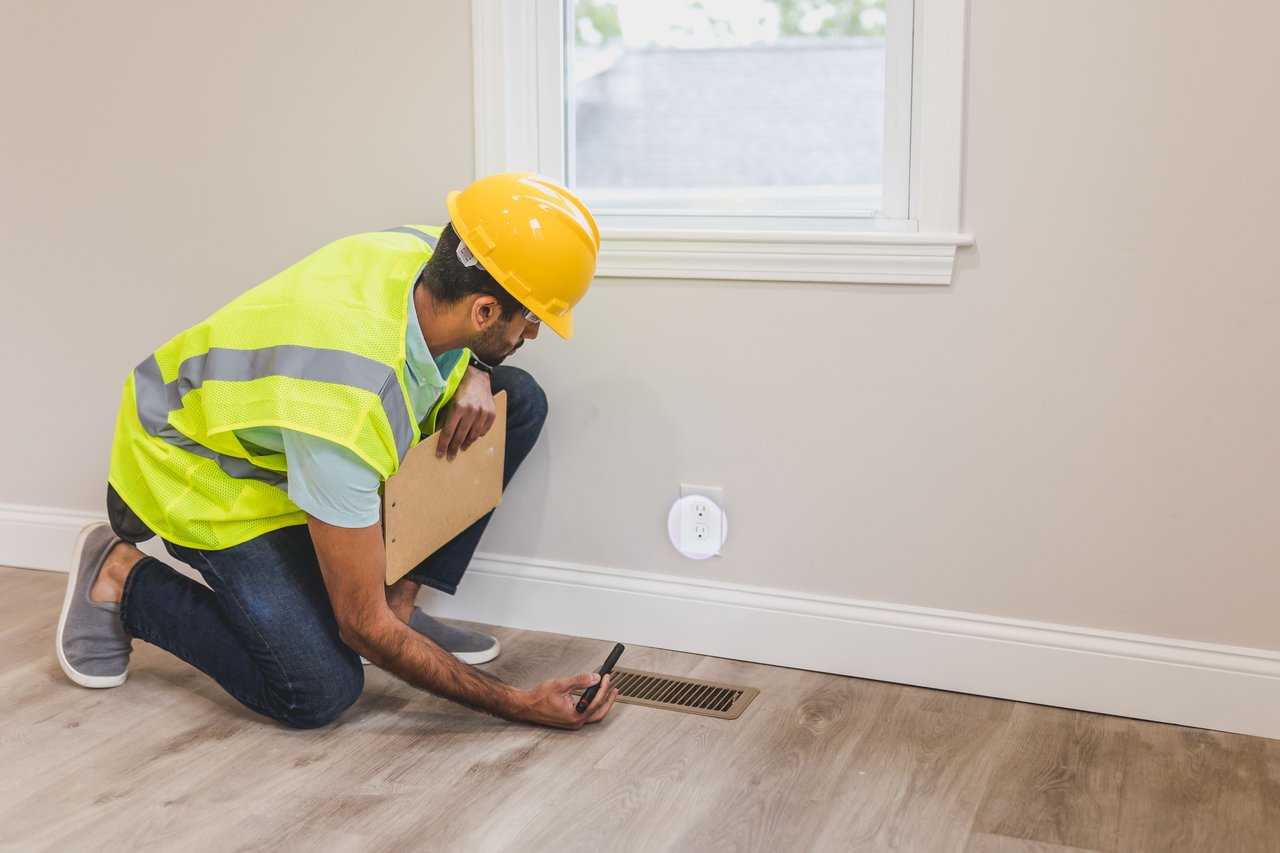
Roof age
-
HVAC condition
-
Plumbing and electrical updates
-
Foundation health
-
Drainage and grading
Homes with solid infrastructure reduce buyer hesitation during resale.
Buyers pay more for properties that feel safe and well maintained.
8. Avoid Highly Personalized Upgrades
Strong resale homes are:
-
Neutral
-
Move-in ready
-
Easy for buyers to imagine themselves in
Highly customized spaces — bold murals, extreme color schemes, unusual built-ins — narrow your future buyer pool.
When in doubt, choose broad appeal over personal expression.
9. Consider Future Development
Research nearby land use and zoning.
Questions to ask:
-
Is commercial expansion planned nearby?
-
Are highways being added or expanded?
-
Is there large-scale new construction coming?
Growth can increase value — but oversupply can reduce it.
Strategic growth supports resale. Overdevelopment weakens it.
10. Think Like Your Future Buyer
The most powerful resale strategy is simple:
Buy the home your future buyer will want.
Your future buyer will likely care about:
-
Convenience
-
Safety
-
Schools
-
Commute
-
Functional space
-
Maintenance simplicity
If the home clearly checks those boxes today, it will likely check them later too.
Final Thoughts
Strong resale potential isn’t about predicting the market perfectly.
It’s about choosing a property with:
-
Broad appeal
-
Functional design
-
Stable location
-
Solid infrastructure
-
Long-term adaptability
Real estate rewards structure more than speculation.
When you buy with resale in mind from day one, you reduce risk, protect equity, and create flexibility for whatever life brings next.
Because the best time to think about selling…
…is actually when you’re buying.
--
Tina Jingru Sui 隋静儒
Associate Broker | Team Leader of TJS Team, Keller Williams
 Serving Metro Atlanta — Johns Creek, Alpharetta, Duluth, Suwanee, Buford, and beyond
 404-375-2120


 WeChat: tinasuirealty
 Follow me on Instagram / 小红书 / WeChat / Facebook